Comprehensive Eye Care & Vision Correction in Incheon · Multilingual International Concierge
23+ Years Clinical Experience
en-US


Ophthalmology Specialty
Eye Diseases Care
Comprehensive eye diseases care at Global Ubal Eye Center. Expert management of glaucoma, macular degeneration, dry eye syndrome, diabetic retinopathy, and conjunctival conditions.
Schedule a ConsultationWhat Is Eye Diseases Care in Ophthalmology?
Eye diseases care in ophthalmology focuses on the diagnosis, monitoring, and management of conditions that can affect vision quality, eye comfort, and long-term ocular health. Many eye diseases develop gradually and may not cause noticeable symptoms in their early stages, which makes regular evaluation and timely care essential. Conditions such as macular degeneration, glaucoma, diabetic retinopathy, and dry eye syndrome can significantly impact daily life if not properly managed.
At Global Ubal Eye Center, eye diseases care is centered on structured ophthalmic evaluation and condition-specific management plans. The goal is to identify eye diseases early, monitor progression carefully, and guide patients through appropriate care pathways based on their individual condition. Rather than a one-size-fits-all approach, eye diseases care requires personalized attention, clear communication, and ongoing follow-up.
Management within this specialty may involve medical oversight, monitoring of visual function, and targeted ophthalmic care for specific diseases. Compared with general eye checkups alone, dedicated eye diseases care focuses on protecting remaining vision, supporting eye comfort, and helping patients understand how their condition may change over time. Education and realistic expectations are a core part of this process.

Advanced Eye Diseases Care in Ophthalmology – Focused, Ongoing, and Patient-Centered
Patients diagnosed with eye diseases often experience uncertainty and concern. Vision changes, discomfort, or the possibility of long-term progression can be emotionally challenging. Many patients worry about losing independence, managing chronic conditions, or understanding complex medical information related to their diagnosis.
Global Ubal Eye Center approaches eye diseases care with empathy and clarity. Patients are reassured that careful monitoring and structured management can play a meaningful role in preserving visual function and eye comfort. The clinic emphasizes that patients do not need to navigate these conditions alone and that ongoing ophthalmic support is available.
By focusing exclusively on the listed eye diseases, the clinic ensures that care remains precise and condition-specific. Each patient’s experience is guided by detailed evaluation, thoughtful explanation, and consistent follow-up. The emphasis is not on quick solutions but on sustainable eye health management aligned with clinical standards and patient needs.
Specialty Services & Treatments for Eye Diseases Care
Global Ubal Eye Center provides eye diseases care strictly within the defined scope. All services are focused on evaluation, monitoring, and management of specific ophthalmic conditions without adding or implying unlisted procedures or technologies.
Key Eye Diseases Care Services Include:
● Macular Degeneration**:**After diagnosis, regular monitoring helped the patient better understand vision changes and manage daily activities with greater confidence and clarity.
● Dry Eye Syndrome**:**The patient experienced improved eye comfort over time, with reduced irritation and better understanding of daily eye care needs.
● Glaucoma**:**With consistent follow-up, the patient felt reassured knowing eye pressure and vision were carefully monitored to support long-term eye health.
● Diabetic Retinopathy**:**Ongoing evaluations helped the patient track retinal changes and feel more informed about protecting vision alongside diabetes care.
● Conjunctival Eversion**:**After assessment and guidance, the patient noticed improved eye comfort and appreciated the clear explanations and structured follow-up care.
Each service addresses a distinct area of eye health, requiring careful assessment and individualized management. The clinic’s strength lies in its focused ophthalmology expertise, allowing for consistent care pathways and clear communication. Patients benefit from structured follow-up and condition-specific attention rather than fragmented or generalized care.
Why Choose Global Ubal Eye Center for Eye Diseases Care
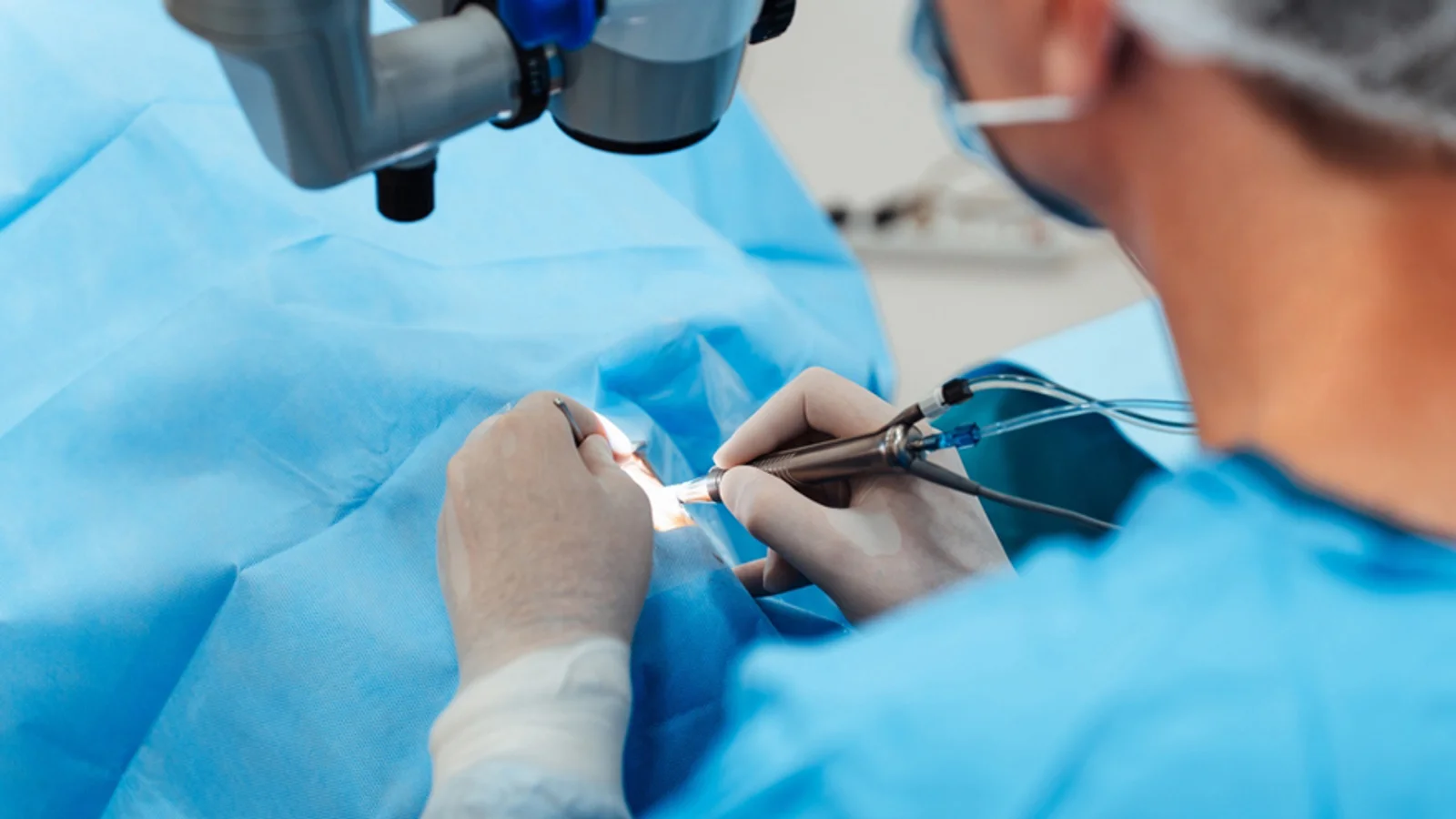
Managing eye diseases requires consistency, trust, and professional oversight. Global Ubal Eye Center is dedicated to ophthalmology, with a clear focus on eye diseases care and long-term visual health management.
Key Reasons Patients Choose This Clinic:
● Dedicated ophthalmology department specializing in eye diseases
● Experience managing chronic and progressive eye conditions
● Emphasis on early detection and careful disease monitoring
● Clear explanations of diagnosis and care plans
● Patient-centered approach focused on education and reassurance
● Structured follow-up to track disease progression
Rather than offering broad or unrelated medical services, the clinic concentrates on ophthalmic conditions that require ongoing attention. This focused approach supports continuity of care and helps patients feel informed and supported throughout their treatment journey.
Meet the Specialists in Eye Diseases Care
| Dr. Heecheol Bae Ophthalmology Specialist | Dr. Young-cheol Park Ophthalmology Specialist | Dr. Yun Cheol Park Ophthalmology Specialist | Dr. Shinyoung Hwang Ophthalmology Specialist | Dr. Youngmin Kim Ophthalmology Specialist |
|---|
Eye diseases care at Global Ubal Eye Center is delivered by a team of experienced ophthalmology specialists dedicated to managing complex eye conditions. Each physician contributes clinical expertise within the defined scope of eye diseases care.
The team shares a unified care philosophy emphasizing careful evaluation, patient education, and long-term management. Their collaborative approach ensures that patients receive consistent guidance and medically appropriate care for complex eye conditions.
International Patients & Global Support for Eye Diseases Care
Global Ubal Eye Center supports international patients seeking care for eye diseases. The clinic recognizes that patients traveling from abroad may have concerns related to communication, continuity of care, and long-term monitoring after returning home.
International eye diseases care is structured to provide clarity and reassurance while maintaining consistent clinical standards.
International Patient Support May Include:
● Assistance with scheduling ophthalmology appointments
● Clear explanations of diagnostic and monitoring plans
● Language support during consultations when needed
● Guidance on follow-up schedules after returning home
● Remote communication for ongoing care questions
Through organized coordination and responsive communication, the clinic helps international patients feel confident in managing their eye conditions, regardless of geographic location.
Real Patient Journeys in Eye Diseases Care
Macular Degeneration – Patient Testimonial
After noticing gradual vision distortion and increasing difficulty with reading, I sought evaluation and learned I had macular degeneration. The monitoring plan was clearly explained, and regular check-ups helped me understand what to expect. Over time, I felt reassured by the consistent assessments and guidance, which made it easier to adapt daily activities while focusing on protecting my remaining vision without feeling overwhelmed.
Diabetic Retinopathy – Patient Testimonial
Living with diabetes, I visited for a diabetic retinopathy evaluation to better understand my eye health. Each examination was thorough, and changes were carefully explained during follow-up visits. The detailed discussions helped me stay informed and involved in my care. I appreciated the realistic guidance and educational approach, which made managing my eye condition feel structured and manageable.
What to Expect from Eye Diseases Care in Ophthalmology

Step 1: Comprehensive Eye Evaluation
Patients begin with a detailed ophthalmic assessment focused on their specific condition, such as glaucoma, dry eye syndrome, or retinal disease. This evaluation helps establish a baseline for monitoring and guides next steps.
Step 2: Personalized Disease Management Plan
Based on findings, a personalized care plan is developed using only the listed eye diseases services. Patients receive clear explanations about their condition, expected changes, and recommended follow-up.
Step 3: Ongoing Monitoring and Support
Regular follow-up visits allow the care team to monitor progression and adjust management as needed. Ongoing communication helps patients feel informed and supported throughout long-term care.
Take the Next Step Toward Expert Eye Diseases Care
Eye diseases can affect more than vision they can influence independence, confidence, and quality of life. Early evaluation and consistent ophthalmic care play an essential role in managing these conditions responsibly. At Global Ubal Eye Center, eye diseases care focuses on macular degeneration, glaucoma, dry eye syndrome, diabetic retinopathy, and conjunctival conditions through careful monitoring and patient-centered management.
The ophthalmology team is committed to helping patients understand their diagnosis, follow appropriate care plans, and feel supported over time. If you have concerns about your eye health or have been diagnosed with an eye condition, scheduling a consultation can provide clarity and reassurance.
Schedule Consultation
Speak with the ophthalmology care team **** for appointment guidance and support
Related Services
Ophthalmic procedures and treatments offered at Global Ubal Eye Center.
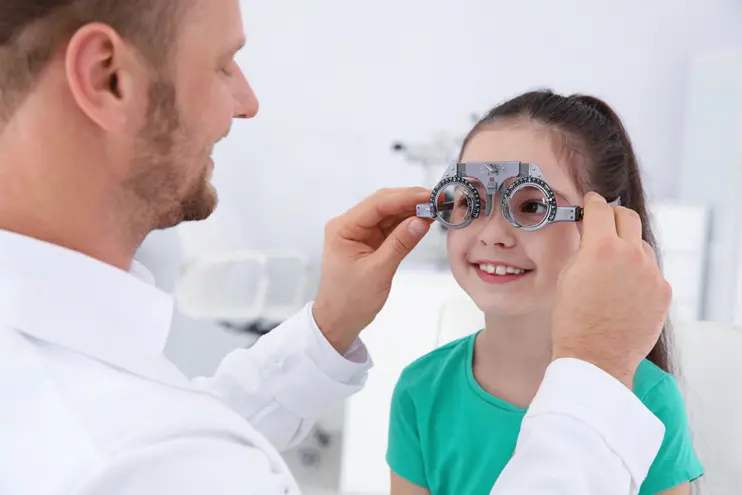
Pediatric Eye Examination
Pediatric eye exams are designed to detect vision problems early in life when treatment can be most effective.
Learn More

Lens Implant Surgery
Lens implant surgery is a vision correction procedure that involves the implantation of a synthetic lens into the eye.
Learn More

Myopia
Myopia, also referred to as nearsightedness or shortsightedness, occurs when the light entering the eye does not focus properly on the retina.
Learn More