Comprehensive Eye Care & Vision Correction in Incheon · Multilingual International Concierge
23+ Years Clinical Experience
en-US

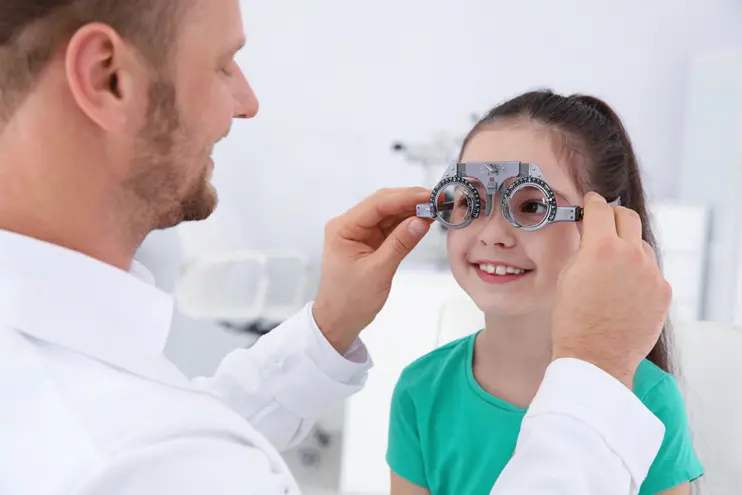
Pediatric Ophthalmology · Needs Clinic Confirmation
Pediatric Eye Examination
Pediatric eye exams are designed to detect vision problems early in life when treatment can be most effective.
Schedule a ConsultationWhat Is a Pediatric Eye Examination in Pediatric Ophthalmology?
A Pediatric Eye Examination is a comprehensive assessment of a child’s visual function and eye health performed by a trained pediatric ophthalmologist. Unlike basic vision screenings, which often only check visual acuity, a full pediatric eye examination evaluates how the eyes see, move, focus, and develop over time. This type of examination is essential because children may not recognize or communicate vision problems, even when significant issues are present.
From a pediatric ophthalmology perspective, eye examinations are tailored to a child’s age, cooperation level, and developmental stage. Infants, toddlers, school-aged children, and adolescents all require different testing methods. Pediatric ophthalmologists use specialized tools and child-friendly techniques to assess vision clarity, eye alignment, focusing ability, and overall eye health. These evaluations help identify conditions such as refractive errors, eye coordination issues, or early signs of developmental visual concerns.
Importantly, pediatric eye examinations are not limited to diagnosing problems. They also establish a baseline for healthy visual development. Regular assessments allow ophthalmologists to monitor changes as the child grows and to intervene early when needed. Early detection is especially important because many childhood eye conditions respond best to treatment when identified promptly. While not every child will need ongoing treatment, structured eye examinations play a critical role in supporting normal vision development and daily functioning.

Who Needs a Pediatric Eye Examination?
Pediatric eye examinations are recommended for children at various stages of growth, even if no obvious vision problems are present. Many eye conditions in children develop gradually and may not cause noticeable symptoms early on. A professional eye examination helps ensure that vision is developing appropriately and that potential concerns are addressed before they interfere with learning or daily activities.
Children who benefit from pediatric eye examinations often include:
● Infants and toddlers undergoing early developmental vision screening
● Preschool and school-aged children before or during early education years
● Children who squint, sit close to screens, or complain of blurred vision
● Students experiencing headaches, eye strain, or difficulty concentrating
● Children with a family history of eye conditions or refractive errors
● Adolescents with changing vision during growth spurts
Even children who appear to see well may benefit from routine examinations. Pediatric ophthalmologists assess more than eyesight alone, including how both eyes work together. Early evaluation supports healthy visual habits and reduces the risk of undetected vision problems affecting academic performance or social development.
Meet the Pediatric Ophthalmology Specialists for Pediatric Eye Examination
| Dr. Heecheol Bae Ophthalmology Specialist | Dr. Young-cheol Park Ophthalmology Specialist | Dr. Yun Cheol Park Ophthalmology Specialist | Dr. Shinyoung Hwang Ophthalmology Specialist | Dr. Youngmin Kim Ophthalmology Specialist |
|---|
The pediatric ophthalmology specialists at Global Ubal Eye Center are dedicated to providing accurate, compassionate eye care for children at every stage of development. Their combined clinical experience supports thorough diagnostic evaluations and careful interpretation of findings in young patients.
The team shares a unified care philosophy centered on patience, education, and family involvement. Children are examined in a calm, supportive environment designed to reduce anxiety and encourage cooperation. Parents are actively included in discussions about findings and recommendations. Rather than rushing assessments, the specialists prioritize accuracy and understanding, ensuring that each child’s visual development is evaluated thoroughly and appropriately.
Pediatric Eye Examination Areas and Expected Insights
● **Visual Acuity and Clarity:**Pediatric eye examinations assess how clearly a child can see at various distances. Age-appropriate methods are used to measure visual acuity accurately. Identifying reduced clarity early helps guide timely correction and support learning activities. Vision clarity is monitored over time as the child grows.
● **Eye Alignment and Coordination:**Proper eye alignment is essential for depth perception and comfortable vision. Pediatric ophthalmologists evaluate how the eyes move and work together. Early detection of coordination issues allows for appropriate monitoring or intervention. These assessments support normal visual development.
● **Overall Eye Health and Development:**The examination includes an evaluation of eye structures to ensure healthy development. Pediatric ophthalmologists check for signs of irritation, abnormal growth, or underlying conditions. Establishing a baseline supports future comparisons and informed care decisions.
Expected Insights:
Parents gain a clear understanding of their child’s visual health and development. Results guide recommendations for monitoring or further care if needed. Findings vary by individual child, and no assumptions are made without careful evaluation.
Pediatric Eye Examination Process and Timeline
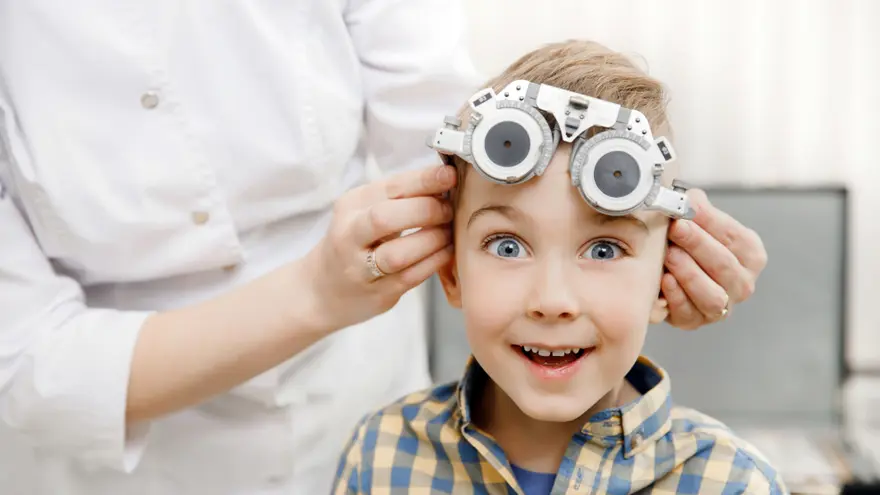
Pediatric eye examinations follow a structured, child-friendly process designed to provide accurate results while maintaining comfort.
The examination is typically completed in a single visit, with no downtime required.
Pediatric Eye Examination Results, Safety, and Follow-Up
Pediatric eye examinations provide valuable insights into a child’s visual development and eye health. For many children, results confirm normal vision and provide reassurance to families. In other cases, examinations identify areas that require monitoring or further evaluation.
Safety is central to pediatric ophthalmology. Eye examinations are non-invasive and designed specifically for children. Pediatric ophthalmologists use gentle techniques and age-appropriate tools to ensure comfort throughout the visit. Parents are encouraged to ask questions and share concerns at any stage.
Possible outcomes include recommendations for routine monitoring, corrective lenses, or referral for additional care if needed. Early identification supports timely management and better long-term visual outcomes. Families are advised to return for follow-up examinations according to the child’s age and visual needs, ensuring consistent support as the child grows.
Why Choose Global Ubal Eye Center for Pediatric Eye Examination?
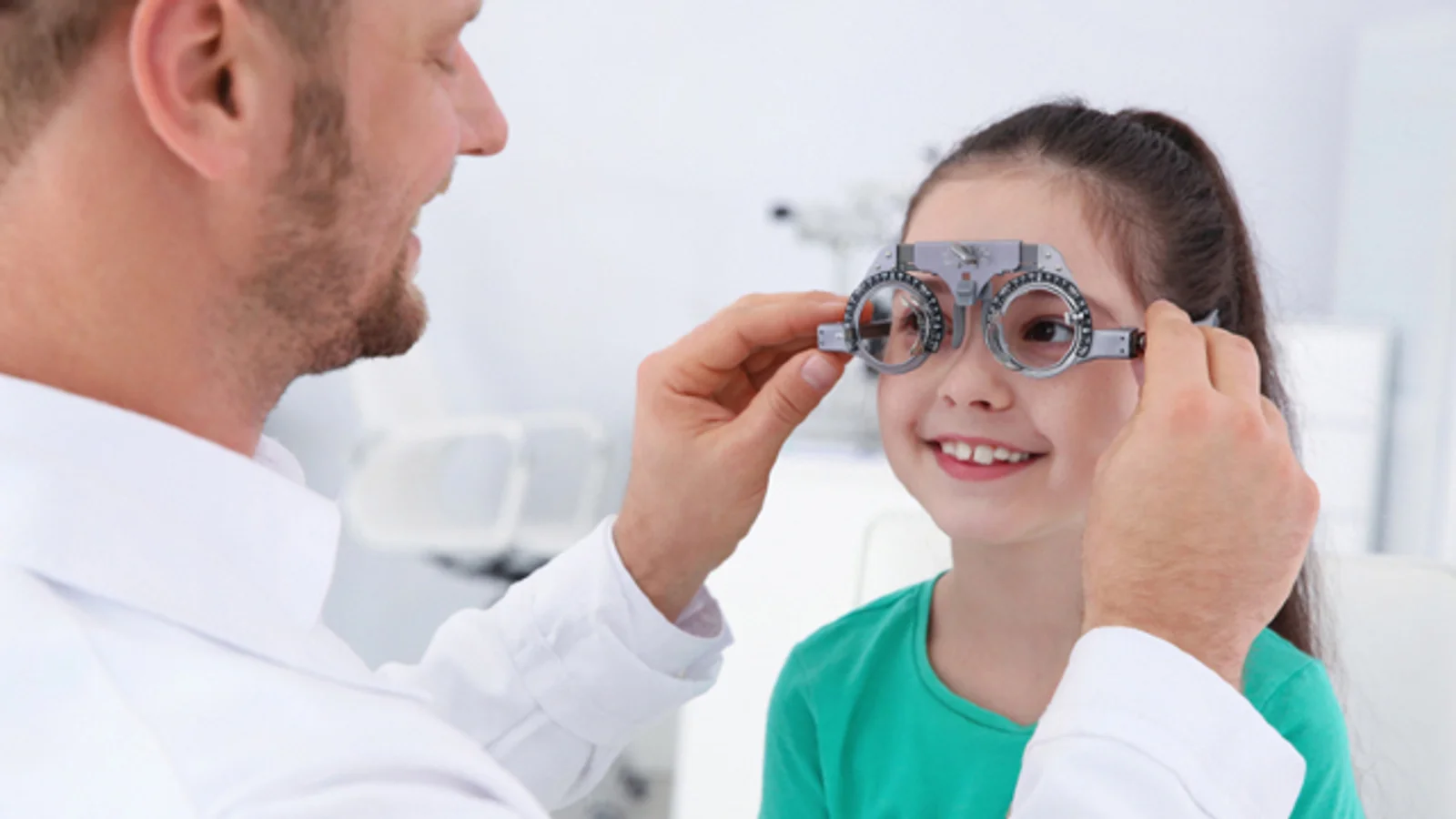
Global Ubal Eye Center provides a dedicated environment for pediatric eye care, combining clinical expertise with child-focused communication. The clinic’s approach to pediatric eye examinations emphasizes accuracy, patience, and family involvement.
The ophthalmology team’s experience in pediatric diagnostics ensures that examinations are thorough and tailored to each child’s developmental stage. Parents receive clear explanations of findings and practical guidance for supporting their child’s vision at home. This transparency builds confidence and trust in the care process.
Continuity of care is a key strength. Children are followed over time by a consistent medical team familiar with their visual history. This long-term relationship supports proactive monitoring and informed decision-making as visual needs evolve.
Key reasons families choose this clinic include:
● Specialized pediatric ophthalmology expertise
● Gentle, child-friendly examination methods
● Clear communication and parental education
● Structured follow-up focused on visual development
Real Patient Examples and Testimonials
Pediatric Eye Examination Patient, Age 4
The child attended a routine pediatric eye examination before starting preschool. Although no symptoms were noted at home, the examination identified mild focusing issues. Parents appreciated the clear explanation and reassurance provided. Regular follow-ups were recommended, helping the family feel confident about supporting their child’s visual development.
Pediatric Eye Examination Patient, Age 11
This student experienced headaches and difficulty concentrating in class. A pediatric eye examination revealed vision strain contributing to symptoms. After appropriate recommendations, the child’s comfort during reading improved. Parents valued the detailed assessment and ongoing monitoring that supported academic performance.
Schedule a Pediatric Eye Examination for Your Child
A Pediatric Eye Examination is an important step in supporting your child’s visual development and long-term eye health. Early evaluation and regular monitoring help identify concerns before they affect learning or daily activities.
Schedule a comprehensive pediatric eye examination to assess your child’s vision, understand their eye health, and receive personalized guidance from experienced pediatric ophthalmology specialists.
Call the appointment desk **** to speak directly with the pediatric ophthalmology care team for assistance with scheduling, preparation, and understanding what to expect during your child’s eye examination.
Other Services
Explore additional ophthalmology treatments offered by our specialists.
Pediatric Eye Examination
Pediatric eye exams are designed to detect vision problems early in life when treatment can be most effective.
Learn More

Lens Implant Surgery
Lens implant surgery is a vision correction procedure that involves the implantation of a synthetic lens into the eye.
Learn More
Myopia
Myopia, also referred to as nearsightedness or shortsightedness, occurs when the light entering the eye does not focus properly on the retina.
Learn More