Comprehensive Eye Care & Vision Correction in Incheon · Multilingual International Concierge
23+ Years Clinical Experience
en-US


Vision Correction · Needs Clinic Confirmation
Lens Implant Surgery
Lens implant surgery is a vision correction procedure that involves the implantation of a synthetic lens into the eye.
Schedule a ConsultationWhat Is Lens Implant Surgery in Vision Correction Ophthalmology?
Lens Implant Surgery is a refractive procedure within ophthalmology that corrects vision by placing an artificial lens inside the eye without removing the natural lens. This approach differs from laser vision correction, which reshapes the cornea, and from cataract surgery, which replaces a clouded natural lens. Lens implant surgery is designed for patients whose refractive errors are outside the safe range for laser procedures or whose corneal characteristics make laser correction less suitable.
From a clinical perspective, the goal of lens implant surgery is to enhance how light focuses on the retina. By implanting a corrective lens, ophthalmologists can address significant refractive errors while maintaining corneal structure. This makes the procedure particularly valuable for patients with high degrees of myopia or hyperopia, where corneal reshaping alone may not provide predictable results.
The procedure relies on precise microsurgical techniques and detailed preoperative planning. Ophthalmologists assess eye length, anterior chamber depth, and overall ocular health to determine suitability. Lens selection is tailored to each patient’s refractive needs and visual habits. While lens implant surgery is a surgical intervention, it is designed to be conservative in terms of tissue alteration. Outcomes vary by individual, but many patients experience clearer vision and reduced dependence on glasses or contact lenses when the procedure is appropriately indicated.
Who Needs Lens Implant Surgery Vision Correction Treatment?
Lens Implant Surgery is intended for individuals seeking long-term vision correction who may not be ideal candidates for LASIK or other laser-based procedures. Many patients explore this option when their refractive errors are high, their corneas are thin, or when they desire a reversible alternative to corneal reshaping. Determining candidacy requires a comprehensive ophthalmic evaluation to ensure safety and alignment with visual goals.
Ideal candidates often include:
● Adults typically in their 20s to 50s with stable refractive prescriptions
● Individuals with high myopia or hyperopia beyond standard laser correction ranges
● Patients with thin or irregular corneas unsuitable for LASIK or LASEK
● People seeking lens-based correction without altering corneal structure
● Individuals dependent on strong glasses or contact lenses for daily activities
● Patients who value detailed evaluation and conservative surgical planning
Not every patient with refractive error is suited for lens implant surgery. Eye health, anatomical measurements, and lifestyle expectations are carefully reviewed to ensure the procedure offers meaningful benefit with acceptable risk.
Meet the Ophthalmology Specialists for Lens Implant Surgery
| Dr. Heecheol Bae Ophthalmology Specialist | Dr. Young-cheol Park Ophthalmology Specialist | Dr. Yun Cheol Park Ophthalmology Specialist | Dr. Shinyoung Hwang Ophthalmology Specialist | Dr. Youngmin Kim Ophthalmology Specialist |
|---|
The ophthalmology specialists at Global Ubal Eye Center bring extensive experience in refractive surgery and advanced lens-based vision correction. Their collective expertise supports careful patient selection, precise surgical technique, and attentive postoperative care for lens implant surgery.
The team follows a shared philosophy grounded in evidence-based medicine, transparency, and patient education. Each consultation emphasizes understanding the patient’s visual challenges and daily needs. Rather than recommending surgery broadly, the specialists carefully evaluate whether lens implant surgery is the most appropriate option. This conservative, patient-first approach supports informed decision-making and builds trust throughout the treatment journey.
Lens Implant Surgery Treatment Areas and Expected Improvements
● **Internal Ocular Lens System:**Lens implant surgery targets the eye’s internal optical system rather than the cornea. By placing a corrective lens inside the eye, surgeons aim to refine how light is focused onto the retina. This approach allows for correction of significant refractive errors while preserving corneal integrity. Careful positioning of the lens is critical for stable visual outcomes.
● **Distance and Functional Vision Correction:**Many patients pursue lens implant surgery to improve distance vision and reduce reliance on thick corrective lenses. Activities such as driving, attending meetings, and outdoor tasks may become more visually comfortable. Functional vision often improves gradually as the eyes adapt. Individual results depend on preoperative refractive error and healing response.
● **Overall Visual Convenience and Quality of Life:**Beyond visual sharpness, lens implant surgery can enhance daily convenience. Patients often appreciate reduced dependence on glasses or contact lenses. Improved visual freedom may positively influence work, travel, and physical activities. Some patients may still require glasses for specific tasks later in life.
Expected Improvements:
Patients may experience clearer vision and reduced reliance on corrective eyewear. Results vary between individuals, and no specific outcome is guaranteed. All expectations are discussed thoroughly during consultation.
Lens Implant Surgery Treatment Process and Timeline
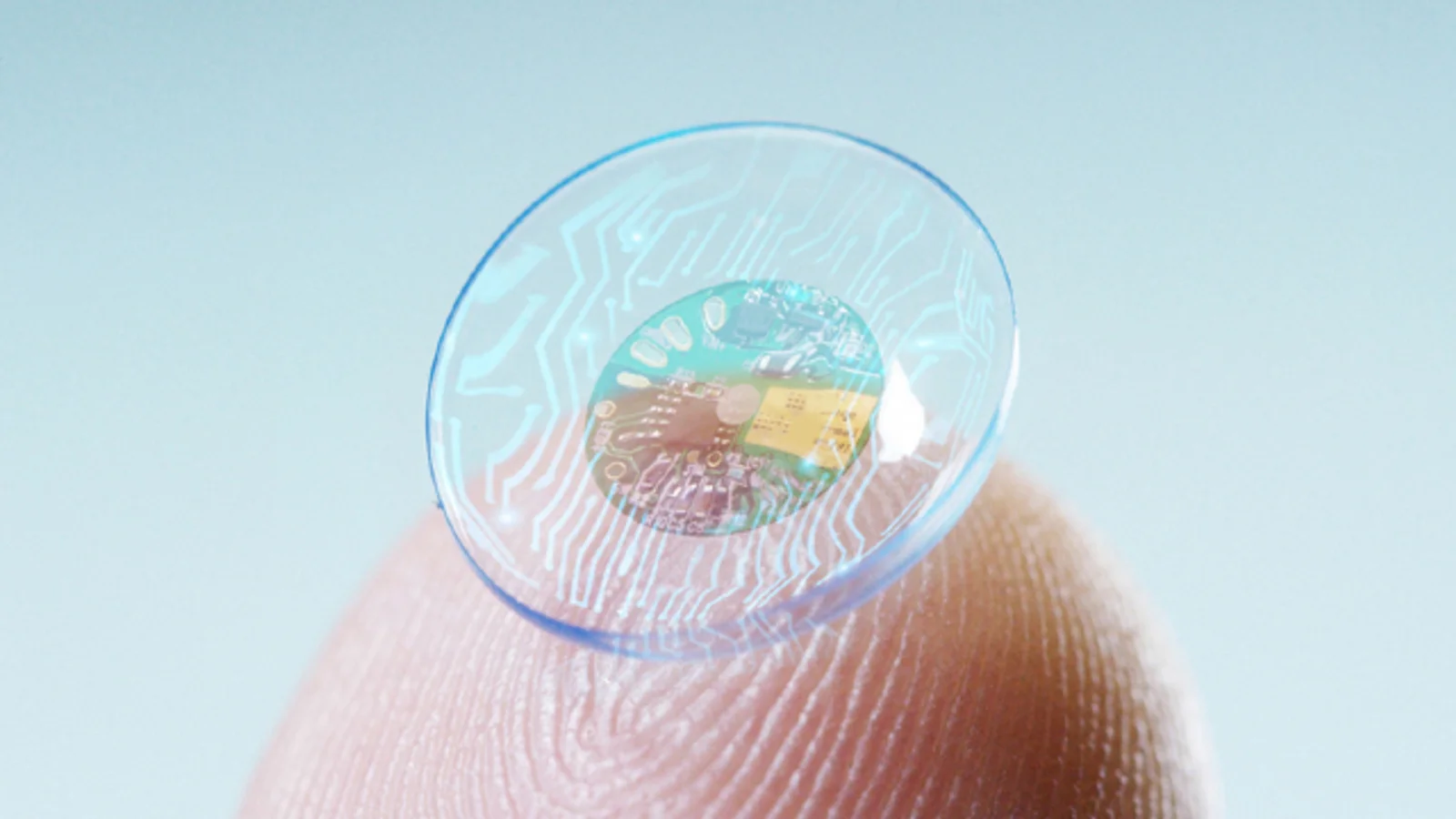
Lens Implant Surgery follows a structured and carefully monitored process designed to prioritize patient safety and visual clarity.
Downtime is generally limited, though recovery experiences vary between individuals.
Lens Implant Surgery Results, Safety, and Longevity
Lens Implant Surgery is designed to provide long-term vision correction by addressing refractive errors internally. Because the implanted lens does not change shape over time, visual correction is often stable for many years, provided the patient’s vision was stable before surgery. However, natural age-related eye changes can still occur.
Safety is a central focus in lens implant surgery. With thorough preoperative screening and conservative surgical planning, the procedure maintains an established safety profile within ophthalmology. Surgeons take care to preserve natural eye structures and minimize surgical stress.
Possible side effects include temporary inflammation, light sensitivity, glare, or visual fluctuations. Rare complications such as infection or pressure changes are possible and are discussed openly during consultation. Patients are advised to attend all follow-up visits and report unusual symptoms promptly to ensure timely management.
Why Choose Global Ubal Eye Center for Lens Implant Surgery?

Global Ubal Eye Center is dedicated to delivering advanced vision correction through careful evaluation, precise surgical execution, and transparent communication. The clinic’s approach to lens implant surgery emphasizes individualized care rather than standardized treatment.
The ophthalmology team’s experience in refractive and lens-based procedures supports accurate diagnosis, thoughtful planning, and attentive postoperative care. Patients benefit from clear explanations about what lens implant surgery can realistically achieve. This clarity helps reduce anxiety and supports informed consent.
Continuity of care is a core value at the clinic. Patients are supported from initial evaluation through long-term follow-up by a consistent medical team focused on visual quality and ocular health. This comprehensive approach reflects a long-term commitment to patient safety and satisfaction.
Key reasons patients choose this clinic include:
● Experienced ophthalmology specialists in lens-based vision correction
● Personalized candidacy assessment and surgical planning
● Transparent discussion of benefits, risks, and expectations
● Structured follow-up supporting safe recovery and visual stability
Real Patient Examples and Testimonials
Lens Implant Surgery Patient, Late 20s
The patient had high myopia and was not considered suitable for laser vision correction. After a detailed evaluation, lens implant surgery was recommended. Following treatment, the patient reported clearer distance vision and reduced dependence on thick glasses. Initial visual adaptation occurred over several weeks, as explained beforehand. The patient appreciated the thorough consultation process and felt the outcome aligned with realistic expectations.
Lens Implant Surgery Patient, Early 40s
This patient sought an alternative to contact lenses due to chronic dryness. After lens implant surgery, the patient noticed improved visual clarity and comfort during long workdays. Recovery followed the outlined timeline, with regular follow-up providing reassurance. While occasional corrective lenses were still used for specific tasks, overall visual convenience improved significantly.
Take the Next Step with Lens Implant Surgery Vision Correction
Lens Implant Surgery offers a lens-based approach to vision correction for patients who may not be ideal candidates for laser procedures. A comprehensive ophthalmic evaluation is the first step in determining whether this treatment aligns with your eye health and visual goals.
Schedule a lens implant surgery consultation to discuss your vision concerns, undergo detailed diagnostic testing, and receive a personalized recommendation focused on safe, realistic, and long-term vision correction outcomes guided by experienced ophthalmology specialists.
Call the appointment desk to speak directly with the ophthalmology care team **** for assistance with scheduling, preparation, and understanding the lens implant surgery process from evaluation through recovery.
Other Services
Explore additional ophthalmology treatments offered by our specialists.

Pediatric Eye Examination
Pediatric eye exams are designed to detect vision problems early in life when treatment can be most effective.
Learn More
Lens Implant Surgery
Lens implant surgery is a vision correction procedure that involves the implantation of a synthetic lens into the eye.
Learn More

Myopia
Myopia, also referred to as nearsightedness or shortsightedness, occurs when the light entering the eye does not focus properly on the retina.
Learn More