Comprehensive Eye Care & Vision Correction in Incheon · Multilingual International Concierge
23+ Years Clinical Experience
en-US

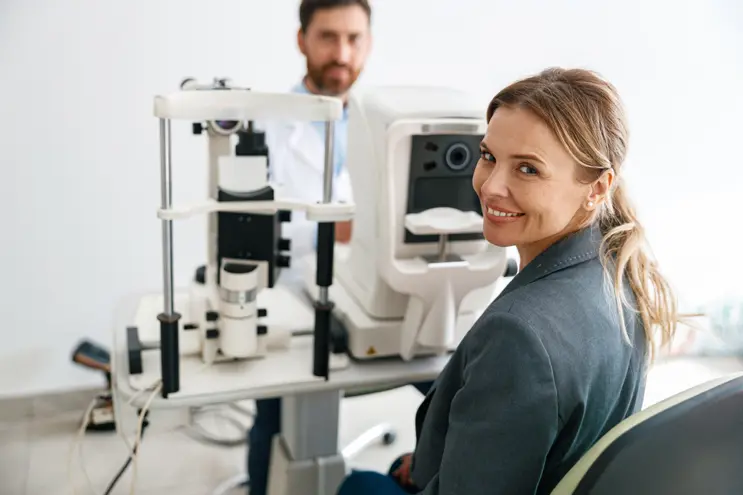
Eye Diseases Care · Needs Clinic Confirmation
Glaucoma
Glaucoma is a progressive eye disease that leads to damage to the optic nerve, which is responsible for transmitting visual information from the retina to the brain.
Schedule a ConsultationWhat Is Glaucoma in Ophthalmology?
Glaucoma is a chronic eye disease characterized by progressive damage to the optic nerve, the structure responsible for transmitting visual information from the eye to the brain. In ophthalmology, glaucoma is one of the leading causes of irreversible vision loss worldwide, largely because it often develops silently in its early stages. Many patients do not experience noticeable symptoms until significant vision changes have already occurred.
From a clinical perspective, glaucoma is commonly associated with elevated intraocular pressure, although it can also occur with normal pressure levels. Increased pressure within the eye can damage the optic nerve over time, leading to gradual loss of peripheral vision. This vision loss typically progresses inward, potentially affecting central vision in advanced stages. Because this progression is often slow and painless, regular eye examinations play a critical role in early detection.
Glaucoma management focuses on slowing or halting disease progression rather than restoring lost vision. Ophthalmologists emphasize early diagnosis, accurate staging, and long-term monitoring to preserve remaining vision. While glaucoma cannot be cured, structured ophthalmic care allows many patients to maintain functional vision throughout their lives. Education, adherence to care plans, and consistent follow-up are essential components of effective glaucoma management.
Who Needs Glaucoma Evaluation and Care?
Glaucoma evaluation is recommended for individuals with risk factors for optic nerve damage or those experiencing subtle changes in vision. Because early glaucoma often presents without noticeable symptoms, many patients are diagnosed during routine eye examinations. Identifying glaucoma early allows for timely intervention and better long-term outcomes.
Patients who may benefit from glaucoma care include:
● Adults typically over the age of 40 undergoing routine eye health evaluations
● Individuals with a family history of glaucoma
● Patients with elevated intraocular pressure detected during eye exams
● People experiencing gradual peripheral vision changes
● Individuals with chronic eye conditions requiring ongoing monitoring
● Patients seeking long-term protection of optic nerve health
Not all vision changes indicate glaucoma, and not all glaucoma presents the same way. Comprehensive ophthalmic evaluation is essential to determine diagnosis, disease type, and appropriate management strategies.
Meet the Ophthalmology Specialists for Glaucoma Care
| Dr. Heecheol Bae Ophthalmology Specialist | Dr. Young-cheol Park Ophthalmology Specialist | Dr. Yun Cheol Park Ophthalmology Specialist | Dr. Shinyoung Hwang Ophthalmology Specialist | Dr. Youngmin Kim Ophthalmology Specialist |
|---|
The ophthalmology specialists at Global Ubal Eye Center provide dedicated care for patients with glaucoma, combining clinical expertise with a patient-centered approach to long-term eye disease management. Their experience includes diagnosis, disease staging, and ongoing monitoring of optic nerve health.
● Dr. Heecheol Bae: Ophthalmologist experienced in optic nerve evaluation and glaucoma monitoring
● Dr. Young-cheol Park: Focused on comprehensive glaucoma assessment and long-term visual preservation planning
● Dr. Yun Cheol Park: Experienced in conservative eye disease management with attention to disease progression
● Dr. Shinyoung Hwang: Dedicated to patient-focused ophthalmology and chronic eye disease care
The team shares a unified philosophy centered on early detection, transparency, and continuity of care. Patients are guided through diagnostic findings and disease staging with clear explanations. Rather than offering generalized advice, specialists tailor management plans based on individual risk factors, disease severity, and lifestyle needs. This collaborative approach helps patients understand their condition and actively participate in preserving their vision.
Glaucoma Care Areas and Expected Outcomes
● **Intraocular Pressure Monitoring and Control:**A key focus of glaucoma care is managing intraocular pressure to reduce stress on the optic nerve. Ophthalmologists regularly measure eye pressure and track changes over time. Maintaining pressure within a safe range helps slow disease progression. Pressure management is individualized based on disease severity and response to care.
● **Optic Nerve Health Assessment:**Regular evaluation of the optic nerve is essential in glaucoma management. Ophthalmologists assess structural and functional changes to detect early signs of progression. Monitoring optic nerve health supports timely adjustments to care strategies. Preserving nerve integrity is central to long-term vision protection.
● **Peripheral Vision Preservation:**Glaucoma primarily affects peripheral vision before impacting central vision. Care strategies aim to preserve existing visual fields for as long as possible. While lost vision cannot be restored, early and consistent management helps maintain daily functional vision. Outcomes vary based on disease stage and adherence to follow-up.
Expected Outcomes:
Patients may experience stabilization of vision and reduced risk of disease progression with appropriate care. Individual results vary, and no specific outcome can be guaranteed.
Glaucoma Evaluation and Management Process
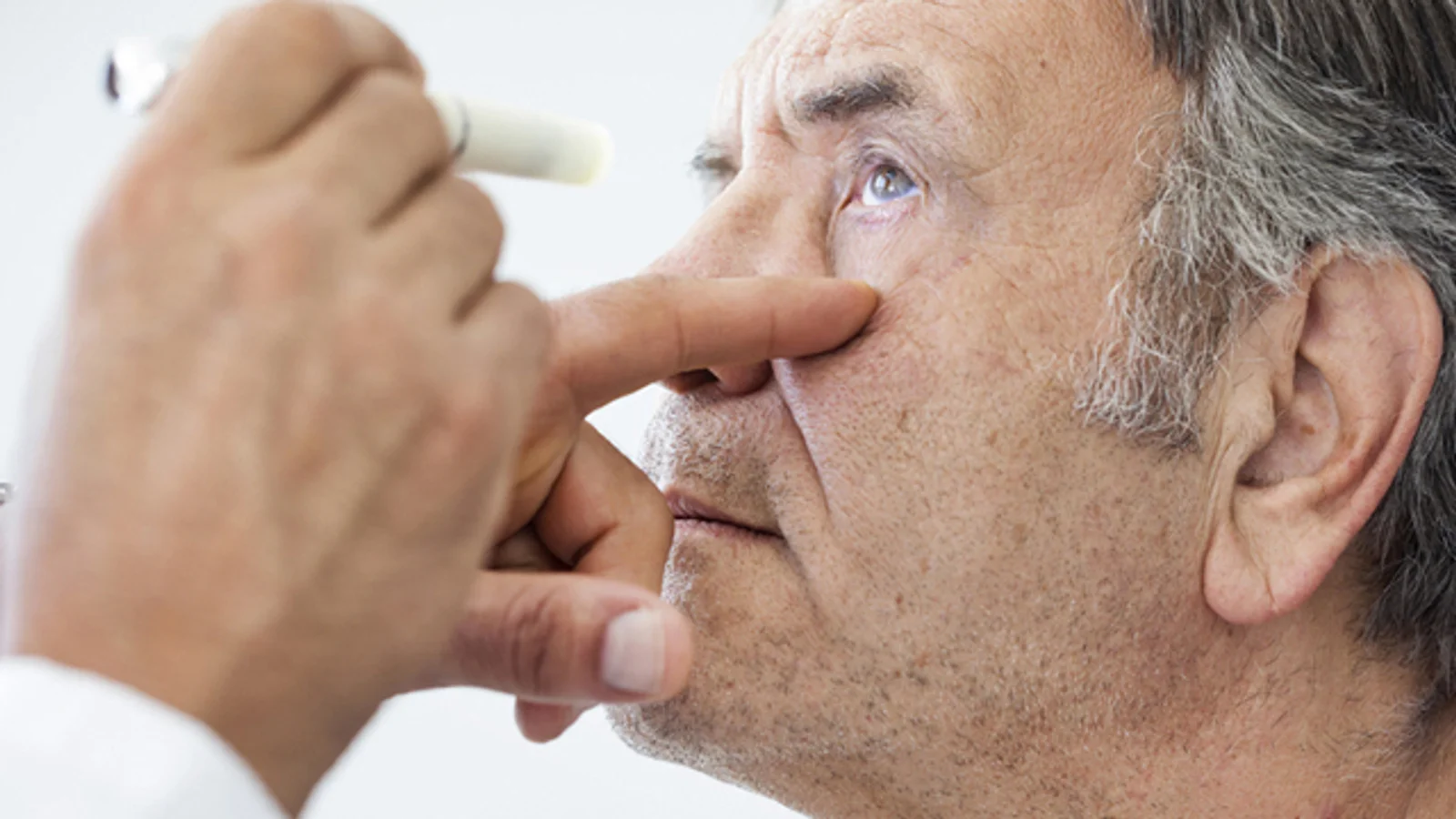
Glaucoma care follows a structured ophthalmic process designed to support accurate diagnosis and long-term disease control.
Downtime is not applicable, as glaucoma management is ongoing and non-surgical in this context.
Glaucoma Results, Safety, and Long-Term Outlook
Glaucoma is a lifelong condition that requires consistent ophthalmic management. With early diagnosis and structured care, many patients maintain functional vision and independence. Long-term outcomes depend on disease stage at diagnosis, response to management, and adherence to follow-up schedules.
Safety is central to glaucoma care. Diagnostic evaluations and monitoring are non-invasive and designed to minimize discomfort. Ophthalmologists prioritize conservative decision-making and adjust management plans based on individual response.
Potential challenges include gradual vision changes and the need for lifelong monitoring. Sudden vision loss, eye pain, or significant changes should prompt immediate evaluation. While glaucoma-related vision loss is irreversible, timely and consistent care plays a critical role in preserving remaining vision and quality of life.
Why Choose Global Ubal Eye Center for Glaucoma Care?
Global Ubal Eye Center provides comprehensive glaucoma care through a structured, patient-focused approach. The clinic emphasizes early detection, accurate diagnosis, and long-term monitoring to protect optic nerve health.
The ophthalmology team’s experience in eye disease care ensures thoughtful evaluation and individualized management. Patients receive clear explanations of their condition and realistic expectations for long-term outcomes. This transparency helps reduce anxiety and supports informed decision-making.
Continuity of care is a defining strength. Patients are followed over time by a consistent medical team familiar with their disease course. This long-term relationship supports proactive adjustments and sustained vision preservation.
Key reasons patients choose this clinic include:
● Expertise in glaucoma and optic nerve disease care
● Conservative, evidence-based ophthalmology approach
● Clear communication and patient education
● Structured follow-up focused on long-term vision protection
Real Patient Examples and Testimonials
Glaucoma Patient, Early 50s
The patient was diagnosed with glaucoma during a routine eye examination, despite having no noticeable symptoms. Comprehensive evaluation helped identify early optic nerve changes. With structured monitoring and personalized care, vision remained stable over time. The patient valued clear explanations and consistent follow-up that supported confidence in long-term eye health management.
Glaucoma Patient, Late 60s
This patient experienced gradual peripheral vision loss that prompted evaluation. Glaucoma was confirmed, and a long-term care plan was established. Regular monitoring and education helped the patient understand disease progression and adapt daily activities. The patient appreciated the supportive, transparent approach to chronic eye disease care.
Take the Next Step in Glaucoma Care
Early detection and consistent monitoring are essential in protecting vision from glaucoma-related damage. Professional ophthalmic care supports informed decisions and long-term eye health planning.
Schedule a glaucoma evaluation to assess optic nerve health, measure intraocular pressure, and receive a personalized long-term care plan guided by experienced ophthalmology specialists.
Call the appointment desk **** to speak directly with the ophthalmology care team for assistance with scheduling, preparation, and understanding the glaucoma evaluation and ongoing management process.
Other Services
Explore additional ophthalmology treatments offered by our specialists.

Pediatric Eye Examination
Pediatric eye exams are designed to detect vision problems early in life when treatment can be most effective.
Learn More

Lens Implant Surgery
Lens implant surgery is a vision correction procedure that involves the implantation of a synthetic lens into the eye.
Learn More

Myopia
Myopia, also referred to as nearsightedness or shortsightedness, occurs when the light entering the eye does not focus properly on the retina.
Learn More