Comprehensive Eye Care & Vision Correction in Incheon · Multilingual International Concierge
23+ Years Clinical Experience
en-US


Pediatric Ophthalmology · Needs Clinic Confirmation
Dream Lens
Dream Lens is a specialized contact lens designed to correct refractive errors such as myopia and astigmatism.
Schedule a ConsultationWhat Is Dream Lens Treatment in Pediatric Ophthalmology?
Dream Lens treatment is a non-surgical vision correction method used in pediatric ophthalmology to manage myopia, commonly known as nearsightedness, in children and adolescents. Myopia often progresses during the school-age years as the eyes continue to grow. Dream Lens treatment involves the use of specially designed contact lenses worn overnight, which gently reshape the surface of the cornea while the child sleeps. Upon removal in the morning, the cornea retains a temporary shape that allows clear vision during the day without the need for glasses or contact lenses.
From a pediatric ophthalmology perspective, Dream Lens treatment is considered a conservative and child-friendly approach. Unlike surgical vision correction, it does not permanently alter eye tissue. This makes it suitable for growing eyes where long-term stability is still developing. The treatment is reversible, meaning the cornea gradually returns to its original shape if lens wear is discontinued. This flexibility is particularly important in children, as visual needs can change over time.
Dream Lens treatment is not only about daytime visual clarity but also about careful monitoring of visual development. Pediatric ophthalmologists assess eye growth patterns, refractive changes, and overall eye health throughout treatment. While individual outcomes vary, many families choose Dream Lens as part of a structured myopia management strategy that balances effectiveness with safety and adaptability during critical developmental years.
Who Needs Dream Lens Treatment in Pediatric Ophthalmology?
Dream Lens treatment is intended for children and adolescents who have myopia and whose vision may continue to change as they grow. Parents often consider this option when glasses become inconvenient for school, sports, or daily activities, or when there is concern about progressive nearsightedness. A thorough pediatric eye examination is essential to determine whether Dream Lens treatment is appropriate for a child’s eyes and lifestyle.
Ideal candidates often include:
● Children typically between 6 and 18 years old with diagnosed myopia
● Students whose nearsightedness has shown signs of progression
● Children who are active in sports or outdoor activities where glasses may interfere
● Families seeking a non-surgical, reversible vision correction option
● Children who can follow basic hygiene and lens care routines with parental support
● Parents interested in structured monitoring of their child’s visual development
Not all children are suitable candidates. Corneal shape, tear quality, and overall eye health are carefully evaluated to ensure safety and comfort before starting treatment.
Meet the Pediatric Ophthalmology Specialists for Dream Lens Treatment
| Dr. Heecheol Bae Ophthalmology Specialist | Dr. Young-cheol Park Ophthalmology Specialist | Dr. Yun Cheol Park Ophthalmology Specialist | Dr. Shinyoung Hwang Ophthalmology Specialist | Dr. Youngmin Kim Ophthalmology Specialist |
|---|
The pediatric ophthalmology team at Global Ubal Eye Center provides dedicated care for children requiring vision correction and myopia management. Their combined experience supports careful assessment, precise lens fitting, and ongoing monitoring throughout Dream Lens treatment.
The team shares a common philosophy centered on gentle care, education, and partnership with families. Parents are involved at every stage, from understanding treatment goals to learning proper lens care. Rather than applying a standardized approach, the specialists tailor Dream Lens treatment to each child’s eye growth patterns and daily routines. This collaborative model helps children feel comfortable and supported while ensuring parents remain informed and confident in the care process.
Dream Lens Treatment Areas and Expected Improvements
● **Corneal Surface Reshaping During Sleep:**Dream Lens treatment gently reshapes the corneal surface overnight using specially designed lenses. This temporary reshaping allows light to focus more accurately on the retina during the day. The process is gradual and carefully controlled, prioritizing corneal health. Regular check-ups ensure the cornea responds appropriately to treatment.
● **Daytime Vision Without Glasses:**One of the main goals of Dream Lens treatment is to provide clear daytime vision without the need for glasses or contact lenses. Children can attend school, participate in sports, and engage in daily activities with greater freedom. Visual clarity typically lasts throughout the day after lens removal. Individual results depend on consistent lens wear and eye response.
● **Myopia Management Support:**Beyond convenience, Dream Lens treatment is often used as part of a broader myopia management plan. Pediatric ophthalmologists monitor changes in refractive error and eye growth over time. This structured follow-up supports informed decisions about continuing or adjusting treatment. Outcomes vary, and no specific progression control can be guaranteed.
Expected Improvements:
Children may experience clearer daytime vision and improved convenience in daily activities. Results vary by individual, and ongoing monitoring is essential. No specific visual outcome is guaranteed.
Dream Lens Treatment Process and Timeline

Dream Lens treatment follows a structured and child-friendly process designed to ensure safety, comfort, and effectiveness.
Downtime is minimal, though an adaptation period is common during the initial phase.
Dream Lens Results, Safety, and Longevity
Dream Lens treatment is designed as a long-term, non-surgical vision correction option that can be adjusted as a child grows. Because the treatment is reversible, it offers flexibility during years of active visual development. Clear daytime vision is typically maintained with consistent overnight lens wear.
Safety is a primary focus in pediatric ophthalmology. With proper fitting, hygiene, and regular follow-up, Dream Lens treatment has an established safety profile. Parents play an important role in ensuring proper lens care and adherence to instructions. Pediatric ophthalmologists closely monitor eye health to detect early signs of irritation or complications.
Possible side effects include temporary dryness, mild discomfort, or visual fluctuations during the adaptation period. More serious complications are uncommon but possible if hygiene guidelines are not followed. Families are educated on warning signs and encouraged to seek prompt care if concerns arise. Ongoing supervision helps maintain both safety and effectiveness throughout treatment.
Why Choose Global Ubal Eye Center for Dream Lens Treatment?

Global Ubal Eye Center offers a supportive environment for pediatric vision care, combining clinical expertise with child-focused communication. The clinic’s approach to Dream Lens treatment emphasizes careful evaluation, conservative decision-making, and family involvement.
The ophthalmology team’s experience in pediatric eye care supports accurate diagnosis, precise lens fitting, and consistent follow-up. Parents receive clear explanations about what Dream Lens treatment can realistically achieve, helping set appropriate expectations. This transparency builds trust and reduces anxiety for both children and families.
Continuity of care is central to the clinic’s philosophy. Children are followed over time by a consistent medical team familiar with their visual history. This long-term relationship supports informed adjustments and ongoing visual health as children grow.
Key reasons families choose this clinic include:
● Pediatric ophthalmology expertise in myopia management
● Non-surgical, reversible vision correction options
● Child-friendly education and parental involvement
● Structured follow-up focused on safety and visual development
Real Patient Examples and Testimonials
Dream Lens Patient, Age 9
The child was diagnosed with progressive myopia and struggled with glasses during school activities. After evaluation, Dream Lens treatment was recommended. Within the first few weeks, daytime vision improved noticeably, allowing the child to participate in sports without glasses. Parents reported improved confidence and convenience. Regular follow-ups provided reassurance as eye growth was monitored closely.
Dream Lens Patient, Age 13
This adolescent found glasses inconvenient for extracurricular activities. After starting Dream Lens treatment, vision during the day became clear and stable. The initial adaptation period required patience, but guidance from the care team helped the family feel supported. Over time, the family appreciated the structured monitoring and non-surgical approach.
Take the Next Step with Dream Lens Pediatric Vision Care
Dream Lens treatment offers a non-surgical approach to managing childhood myopia while supporting clear daytime vision and ongoing eye development. A comprehensive pediatric eye evaluation is the first step in determining whether this treatment is appropriate for your child.
Schedule a pediatric Dream Lens consultation to assess your child’s vision, discuss myopia management options, and receive a personalized care plan guided by experienced pediatric ophthalmology specialists.
Call the appointment desk **** to speak directly with the pediatric ophthalmology care team for assistance with scheduling, preparation, and understanding the Dream Lens treatment journey for your child.
Other Services
Explore additional ophthalmology treatments offered by our specialists.
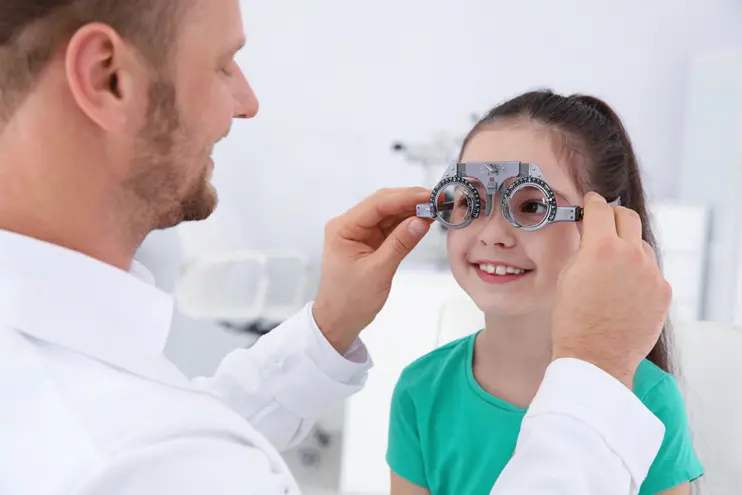
Pediatric Eye Examination
Pediatric eye exams are designed to detect vision problems early in life when treatment can be most effective.
Learn More

Lens Implant Surgery
Lens implant surgery is a vision correction procedure that involves the implantation of a synthetic lens into the eye.
Learn More

Myopia
Myopia, also referred to as nearsightedness or shortsightedness, occurs when the light entering the eye does not focus properly on the retina.
Learn More