Comprehensive Eye Care & Vision Correction in Incheon · Multilingual International Concierge
23+ Years Clinical Experience
en-US


Ophthalmology Guide
Prevalence of Myopia in Korea: The Value of Dream Lens Therapy
The prevalence of myopia among young people in South Korea has reached critical levels, often described as a "myopia epidemic." According to recent data from the **Korean National Health and Nutrition Examination Survey (KNHANES)**, the prevalence of myopia...
Schedule a ConsultationThe prevalence of myopia among young people in South Korea has reached critical levels, often described as a "myopia epidemic." According to recent data from the Korean National Health and Nutrition Examination Survey (KNHANES), the prevalence of myopia among Korean children and adolescents is approximately 65.4%, with high myopia affecting about 6.9%.
Myopia in Korea: Benefits, Risks, and Ideal Candidates
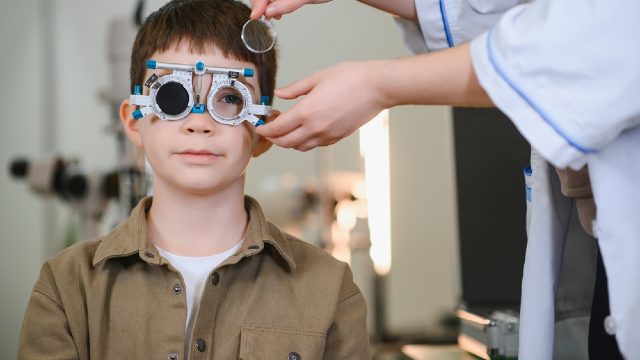
Myopia, or nearsightedness, is not merely a matter of wearing glasses; it is a physiological change where the eyeball grows too long (axial elongation). In Korea, the intense academic environment and high digital device usage are primary drivers of this trend.
What is the primary concern with myopia progression?
The real danger lies in High Myopia. When a child’s prescription exceeds -6.00 diopters, the risk for sight-threatening conditions later in life—such as retinal detachment, glaucoma, and macular degeneration—increases exponentially.
Who are the ideal candidates for Dream Lens?
- Children aged 6–15 whose myopia is progressing rapidly.
- Active students who find glasses or daytime contacts inconvenient for sports or dance.
- Children with myopic parents (who have a 3x higher risk of developing high myopia).
- Adults with mild myopia who are not suitable candidates for LASIK or SMILE surgery.
Standard Vision Correction in Korea: Limitations and Costs
While South Korea offers world-class optometry, traditional "standard" approaches often focus on clarity today rather than eye health tomorrow.
- Prescription Spectacles: The most common solution. While they provide clear vision, they do nothing to slow down the elongation of the eye.
- Daytime Soft Contacts: Convenient, but carry risks of dry eye and infection, especially in young children with poor hygiene habits.
- Atropine Eye Drops: A pharmacological approach that slows progression but requires daily administration and can cause light sensitivity or blurred near vision.
| Feature | Standard Glasses | Atropine Drops | Dream Lens (Ortho-K) |
|---|---|---|---|
| Corrects Vision | Yes (Daytime only) | No | Yes (24h glasses-free) |
| Slowing Progression | Minimal/None | Effective | Highly Effective |
| Lifestyle Impact | High (Physical hindrance) | Low (Light sensitivity) | None (Lenses worn at sleep) |
| Reversibility | N/A | Yes | Yes (100% Reversible) |
How Dream Lens Therapy Works: A High-Tech, Non-Surgical Choice
Dream Lens (technically known as Orthokeratology or Ortho-K) is a specialized rigid gas-permeable lens designed to be worn only during sleep.
The Mechanism of Action
Unlike regular lenses that sit on the eye to bend light, the Dream Lens uses the hydraulic pressure of the tear film to gently and temporarily reshape the cornea’s surface. By flattening the center of the cornea overnight, it creates "peripheral defocus," which sends a signal to the brain to stop the eye from growing longer.
Why it is Considered Advanced Care
- Precision Mapping: At Global Ubal Eye Center, we use university-hospital-grade corneal topography to map thousands of points on the eye, ensuring a custom-fit lens.
- Non-Invasive: No tissue is cut or removed, unlike LASIK.
- Myopia Suppression: Clinical studies in Korea suggest that Dream Lens can slow axial elongation by up to 50–60% compared to wearing glasses.
Data & Outcomes: Anchoring Success with Numbers
The Korean medical market for vision correction is growing at a CAGR of approximately 8.6%, reflecting a shift toward premium, preventative care.
- Success Rate: Over 90% of children using Dream Lens achieve 20/20 (1.0) vision throughout the day after the initial 1–2 week adaptation period.
- Longevity: A single pair of lenses typically lasts 1.5 to 2 years with proper care.
- Safety: The lenses are U.S. FDA-approved and made of high-oxygen-permeability materials to ensure corneal health during sleep.
Local Korea Insights: Why Families Choose Global Ubal Eye Center
Korean parents are known for being tech-savvy and highly proactive regarding their children's health. The local trend has shifted from "waiting until they are old enough for LASIK" to "preventing the need for high-prescription glasses now."
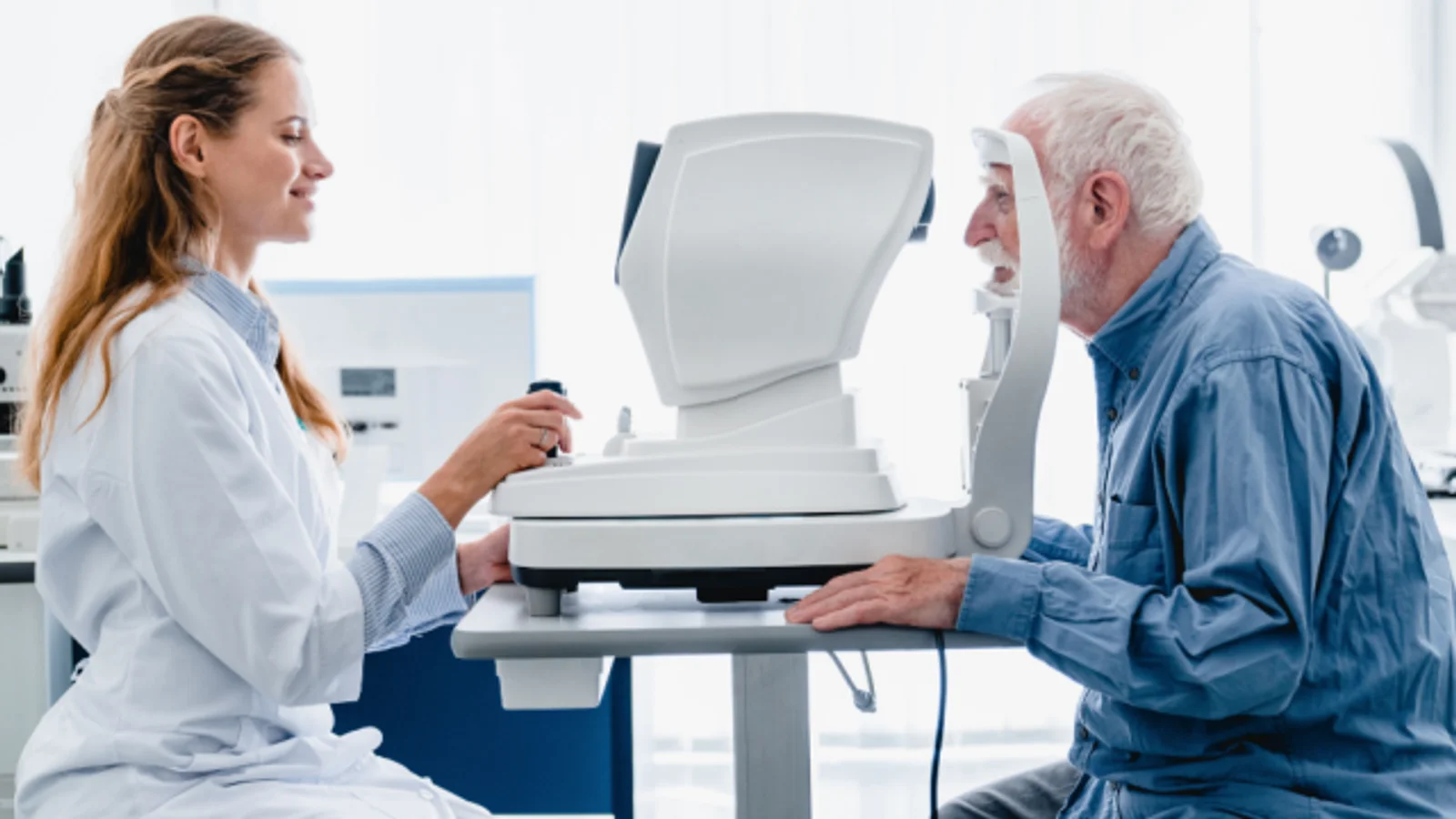
Where Global Ubal Eye Center Fits in Myopia Management
Conclusion
More Articles
Continue reading our ophthalmology guides and vision care insights.

SMILE vs LASIK: Recovery Benchmarks for Vision Correction Care
South Korea has solidified its position as a global epicenter for ophthalmology, with the domestic LASIK and refractive surgery market projected to reach **USD 167.37 million by 2035**, growing at a steady CAGR of 8.54%.
Learn More
Prevalence of Myopia in Korea: The Value of Dream Lens Therapy
The prevalence of myopia among young people in South Korea has reached critical levels, often described as a "myopia epidemic." According to recent data from the **Korean National Health and Nutrition Examination Survey (KNHANES)**, the prevalence of myopia...
Learn More

Multidisciplinary Care: The Future of Korean Pediatric Eye Clinics
The landscape of pediatric eye care in South Korea is shifting rapidly. With nearly **21.9% of Korean children** estimated to be affected by various visual disorders according to nationwide health screenings, the demand for specialized intervention has never...
Learn More