Comprehensive Eye Care & Vision Correction in Incheon · Multilingual International Concierge
23+ Years Clinical Experience
en-US


Ophthalmology Guide
Multidisciplinary Care: The Future of Korean Pediatric Eye Clinics
The landscape of pediatric eye care in South Korea is shifting rapidly. With nearly **21.9% of Korean children** estimated to be affected by various visual disorders according to nationwide health screenings, the demand for specialized intervention has never...
Schedule a ConsultationThe landscape of pediatric eye care in South Korea is shifting rapidly. With nearly 21.9% of Korean children estimated to be affected by various visual disorders according to nationwide health screenings, the demand for specialized intervention has never been higher.
Why is Pediatric Vision Care Moving Toward a Multidisciplinary Model in Korea?
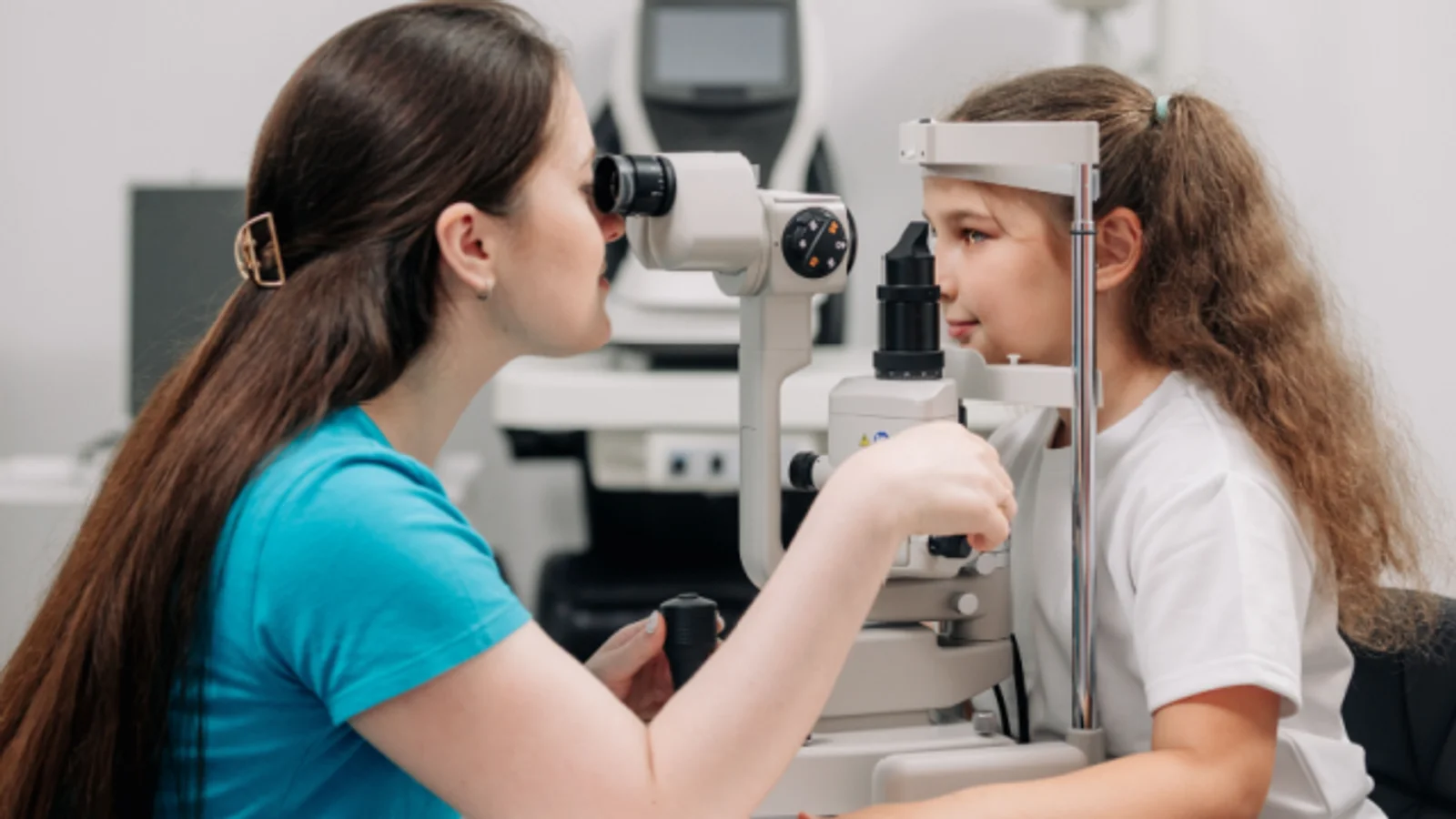
Traditional pediatric eye care in Korea often followed a linear path: a quick screening, a prescription for glasses, and perhaps a follow-up a year later. However, market reports on Korean healthcare trends suggest that this "single-point" intervention often fails to address complex developmental issues like Amblyopia (lazy eye) or Strabismus (misaligned eyes).
What is the Current Burden of Pediatric Eye Disorders in Korea?
Recent data from Korean national health insurance reviews indicate a steady rise in the diagnosis of high myopia (severe nearsightedness) among school-aged children. The economic burden is not just the cost of glasses, but the potential for long-term vision loss if not treated during the "critical window"—typically before the age of 7 to 9.
How Does Multidisciplinary Vision Rehabilitation Change the Outcome?
Unlike standard check-ups, Multidisciplinary Vision Rehabilitation involves a coordinated team of pediatric ophthalmologists, orthoptists (specialists in eye movement and binocular vision), and pediatric-focused nursing staff. This approach aims to treat the "whole visual system" rather than just the refractive error.
Current Standard Approaches & Limitations in Korean Eye Care
For decades, the standard of care in Korea has relied on reactive treatments. While effective to a point, these methods often present challenges for both parents and children.
- Standard Patching (Occlusion Therapy): The gold standard for Amblyopia.
The Innovative Path: Multidisciplinary Vision Rehabilitation
The advanced approach currently reshaping Korean clinics is Multidisciplinary Vision Rehabilitation. This method combines clinical medical treatment with specialized "orthoptic" training and tech-enabled monitoring.
How it Works: The Mechanism of Change
Instead of simply changing the lens in front of the eye, this approach utilizes the brain's neuroplasticity. By using specialized prisms, digital vision therapy software, and targeted exercises, the clinic "re-trains" the connection between the brain and the eyes.
Why is this considered "High-Precision" care?
Modern Korean clinics now use AI-assisted diagnostic tools and digital tracking to measure eye movement in milliseconds. This precision allows for a customized rehabilitation plan that is far more accurate than traditional manual testing.
Data & Outcomes: Conventional vs. Advanced Rehabilitation
The Korean regenerative and pediatric medicine market is projected to see a CAGR of roughly 18% through 2030. This growth is fueled by a shift toward protocols that prioritize long-term functional results over temporary fixes.
Comparison of Care Pathways
| Feature | Conventional Care (Siloed) | Multidisciplinary Vision Rehabilitation |
|---|---|---|
| Primary Goal | Symptom management (Clarity) | Functional recovery (Binocularity) |
| Provider Team | Single Ophthalmologist | Ophthalmologist + Orthoptist + Tech |
| Patient Experience | Standard 5-minute exam | Comprehensive 40-60 min evaluation |
| Long-term Outlook | Risk of recurrence/regression | Aim for stable, long-term visual health |
| Technology | Manual Phoropters | AI-Guided Imaging & Digital Therapy |
Local Korea Insights: Fast Recovery and High-Tech Expectations
Korean parents are known for being "early adopters" of medical technology. There is a local cultural emphasis on "Pali-Pali" (fast) results, but in pediatric care, this has evolved into a demand for efficient and accurate results.
Where Global Ubal Eye Center Fits in Pediatric Ophthalmology in Korea
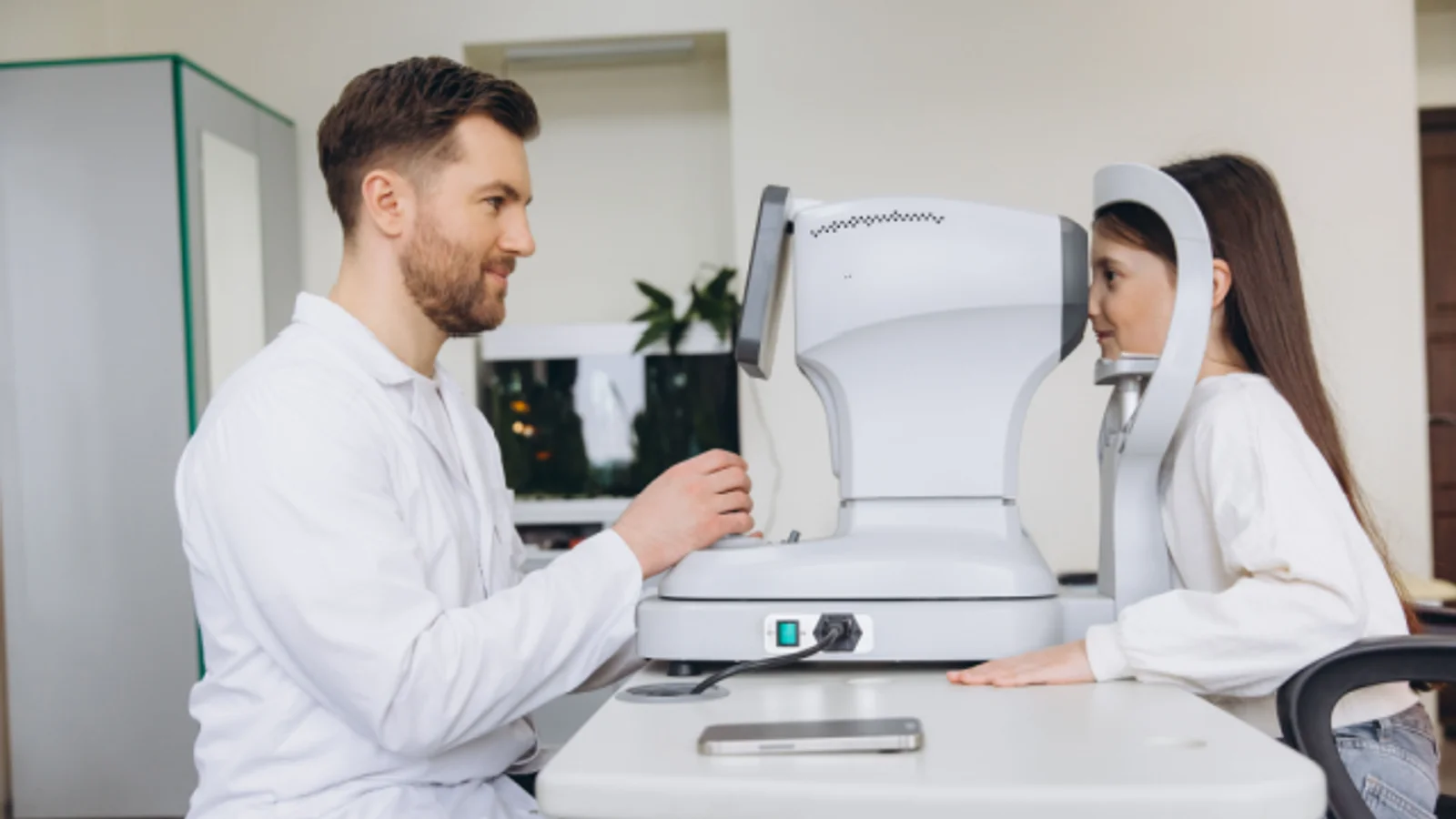
Global Ubal Eye Center specializes in the implementation of Multidisciplinary Vision Rehabilitation for complex pediatric cases. We bridge the gap between large university hospitals and local primary care by providing university-level expertise in a patient-centric, private environment.
Conclusion
More Articles
Continue reading our ophthalmology guides and vision care insights.

SMILE vs LASIK: Recovery Benchmarks for Vision Correction Care
South Korea has solidified its position as a global epicenter for ophthalmology, with the domestic LASIK and refractive surgery market projected to reach **USD 167.37 million by 2035**, growing at a steady CAGR of 8.54%.
Learn More

Prevalence of Myopia in Korea: The Value of Dream Lens Therapy
The prevalence of myopia among young people in South Korea has reached critical levels, often described as a "myopia epidemic." According to recent data from the **Korean National Health and Nutrition Examination Survey (KNHANES)**, the prevalence of myopia...
Learn More
Multidisciplinary Care: The Future of Korean Pediatric Eye Clinics
The landscape of pediatric eye care in South Korea is shifting rapidly. With nearly **21.9% of Korean children** estimated to be affected by various visual disorders according to nationwide health screenings, the demand for specialized intervention has never...
Learn More