Comprehensive Eye Care & Vision Correction in Incheon · Multilingual International Concierge
23+ Years Clinical Experience
en-US

Ophthalmology Guide
Cataract Surgery: What Should I Consider?
Considering cataract surgery? Learn about the key factors to consider, from the procedure to recovery. Book a consultation with our experts today!
Schedule a ConsultationCataracts are one of the most common causes of vision impairment worldwide, particularly among older adults. Fortunately, cataract surgery has evolved into a safe and highly effective procedure that restores vision and improves the quality of life for many patients.
Understanding Cataract Surgery
Cataract surgery involves the removal of a clouded lens from the eye, which is replaced with an artificial intraocular lens (IOL). The procedure is usually recommended when cataracts significantly impact vision, making everyday tasks such as reading, driving, and recognizing faces difficult.
Types of Cataract Surgery Procedures
There are several types of cataract surgery available, and the best option for you will depend on various factors, such as your overall health, the severity of your cataracts, and your lifestyle needs. Below are the most common types of cataract surgeries performed at Global Ubal Eye Center:
1. Phacoemulsification (Phaco)
Phacoemulsification is the most commonly performed cataract surgery. It is a minimally invasive technique in which the surgeon uses ultrasound to break up the cloudy lens into small pieces, which are then removed from the eye. This technique requires only a tiny incision, resulting in a faster recovery time compared to traditional methods.
2. Laser-Assisted Cataract Surgery
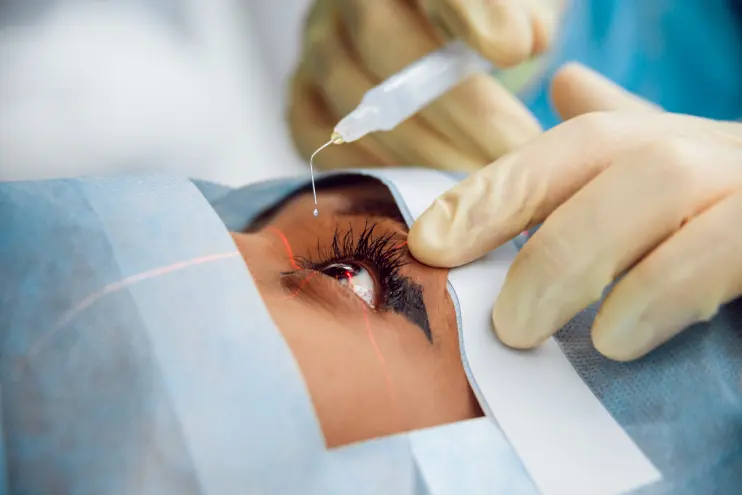
Laser-assisted cataract surgery utilizes femtosecond lasers to assist in making the incisions and breaking up the cataract. This method enhances precision and can improve the overall safety and efficiency of the procedure. Laser technology is particularly helpful in patients with more complex cataracts, offering greater accuracy in the surgical process.
3. Traditional Cataract Surgery (Extracapsular Surgery)
Although less common today, traditional cataract surgery may still be used in some cases. This technique involves making a larger incision to remove the cloudy lens in one piece. It is usually reserved for patients with more advanced cataracts.
Factors to Consider Before Cataract Surgery

Cataract surgery is a significant decision, and there are several factors you should consider to ensure the best possible outcome. Here are some key points to keep in mind:
1. Pre-Surgical Eye Examination
Before undergoing cataract surgery, it is essential to undergo a thorough eye examination. This will help your surgeon assess the condition of your eyes, the severity of the cataract, and determine the best surgical approach for you. At Global Ubal Eye Center, we use advanced diagnostic tools to ensure that we fully understand your eye health and tailor the surgery to your needs.
2. Choosing the Right Intraocular Lens (IOL)
One of the most important aspects of cataract surgery is the choice of the intraocular lens (IOL) that will replace your natural lens. There are several types of IOLs available, including:
- Monofocal IOLs: These lenses provide clear vision at one distance, typically for either near or far vision.
- Multifocal IOLs: These lenses offer the ability to focus on both near and distant objects, reducing the need for glasses after surgery.
- Toric IOLs: These lenses are designed to correct astigmatism, a condition that causes blurred vision.
3. Potential Risks and Complications
Like any surgery, cataract surgery carries certain risks, although serious complications are rare. Possible risks include infection, bleeding, retinal detachment, or the formation of a secondary cataract (also known as posterior capsule opacification). However, when performed by skilled surgeons at a reputable clinic like Global Ubal Eye Center, the risks are minimal, and the outcomes are highly favorable.
4. Recovery and Aftercare
Recovery from cataract surgery is generally quick. Most patients experience an improvement in vision within a few days, although it can take up to a few weeks for the full effects to be realized. During the recovery period, it's crucial to follow your surgeon’s instructions regarding eye drops, rest, and activities to avoid complications.
5. Cost and Insurance Coverage
The cost of cataract surgery can vary depending on the type of procedure and the IOL selected. At Global Ubal Eye Center, we offer transparent pricing and will work with you to ensure that you understand the costs involved. We also assist with insurance claims to help you maximize your coverage.
Why Choose Global Ubal Eye Center for Cataract Surgery?

Conclusion
More Articles
Continue reading our ophthalmology guides and vision care insights.

SMILE vs LASIK: Recovery Benchmarks for Vision Correction Care
South Korea has solidified its position as a global epicenter for ophthalmology, with the domestic LASIK and refractive surgery market projected to reach **USD 167.37 million by 2035**, growing at a steady CAGR of 8.54%.
Learn More

Prevalence of Myopia in Korea: The Value of Dream Lens Therapy
The prevalence of myopia among young people in South Korea has reached critical levels, often described as a "myopia epidemic." According to recent data from the **Korean National Health and Nutrition Examination Survey (KNHANES)**, the prevalence of myopia...
Learn More

Multidisciplinary Care: The Future of Korean Pediatric Eye Clinics
The landscape of pediatric eye care in South Korea is shifting rapidly. With nearly **21.9% of Korean children** estimated to be affected by various visual disorders according to nationwide health screenings, the demand for specialized intervention has never...
Learn More