Comprehensive Eye Care & Vision Correction in Incheon · Multilingual International Concierge
23+ Years Clinical Experience
en-US

Ophthalmology Guide
Can Cataract Surgery Improve Near Vision? | Expert Insights
Discover how modern cataract surgery and advanced lenses can correct near vision issues. Expert advice from Dr. Bae at Global Ubal Eye Center.
Schedule a ConsultationUnderstanding Cataracts and Near Vision Loss
As people age, it’s common for the eye’s natural lens to become cloudy, leading to a condition called cataracts. This clouding diminishes clarity across all distances, but near vision—used for reading, crafting, or using mobile devices—often takes the hardest hit. Adding to the challenge is presbyopia, the age-related loss of the eye’s focusing ability up close, which often occurs alongside cataracts.

What Causes Near Vision Problems in Cataract Patients?
When cataracts form, proteins in the lens clump together, obscuring vision. Meanwhile, the lens stiffens with age (presbyopia), making it harder to focus up close. Together, these two changes reduce the eye’s flexibility and clarity, particularly for near work.
- Dry eye syndrome, which is more common in older adults and can blur near vision.
- Previous refractive surgery, which may influence lens power selection during cataract surgery.
- Underlying conditions like diabetes, which can accelerate cataract development and complicate outcomes.
Beyond Standard Surgery: How Modern Techniques Help
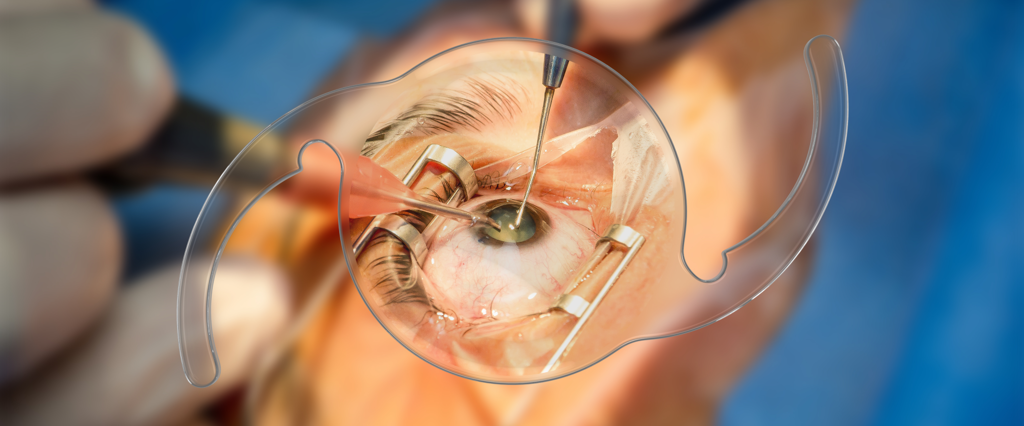
Thanks to recent advancements, cataract surgery is no longer limited to simply restoring clarity. Today, it can correct near vision using specialized intraocular lenses (IOLs). Options include:
- Multifocal IOLs: These provide multiple focal points, so patients can see at various distances without needing glasses. Though they may introduce some glare or halos, particularly at night, many patients adapt well.
- Extended Depth of Focus (EDOF) lenses: Designed for smoother transitions between far and near vision, EDOF lenses often produce fewer visual disturbances. They are ideal for those seeking functional vision without compromising night driving.
- Monovision correction: One eye is optimized for distance, the other for near vision. The brain adapts over time. This option is especially useful for patients who previously used monovision with contact lenses.
The Procedure: Safe, Tailored, and Efficient
Performed in under 30 minutes, cataract surgery is a quick outpatient procedure. With laser-assisted technology, Dr. Bae and his team ensure precision in every step—from incision to lens placement. This accuracy enhances outcomes, especially for premium lens types.
What to Expect After Surgery
Patients often notice sharper vision within days. While near vision improvements may take a few weeks to stabilize, many find they can resume reading or using a smartphone with minimal reliance on glasses.
- Regular follow-ups to monitor healing and visual clarity
- Dry eye management, as temporary dryness can blur vision
- Visual therapy recommendations for patients adjusting to multifocal or monovision strategies
Real Patient Outcomes: Seeing Up Close Again
Case in point: Ms. Jang, a 62-year-old art teacher, underwent cataract surgery with EDOF lenses at Global Ubal. "I hadn’t painted detail work in years without magnifiers. Two weeks after surgery, I was back in the studio, brush in hand."
- 92% achieved 20/25 vision or better at distance
- 88% reported comfortable reading without glasses
- 94% said they would recommend the procedure to others
Understanding the Costs
The cost of cataract surgery varies. Standard procedures with monofocal lenses are generally more affordable and often insurance-covered. However, premium options such as EDOF or multifocal lenses and laser-assisted techniques incur additional fees.
- What’s included in the package (e.g., lens type, laser use, follow-ups)
- Out-of-pocket costs and payment plans
- Re-treatment policies, if enhancements are needed
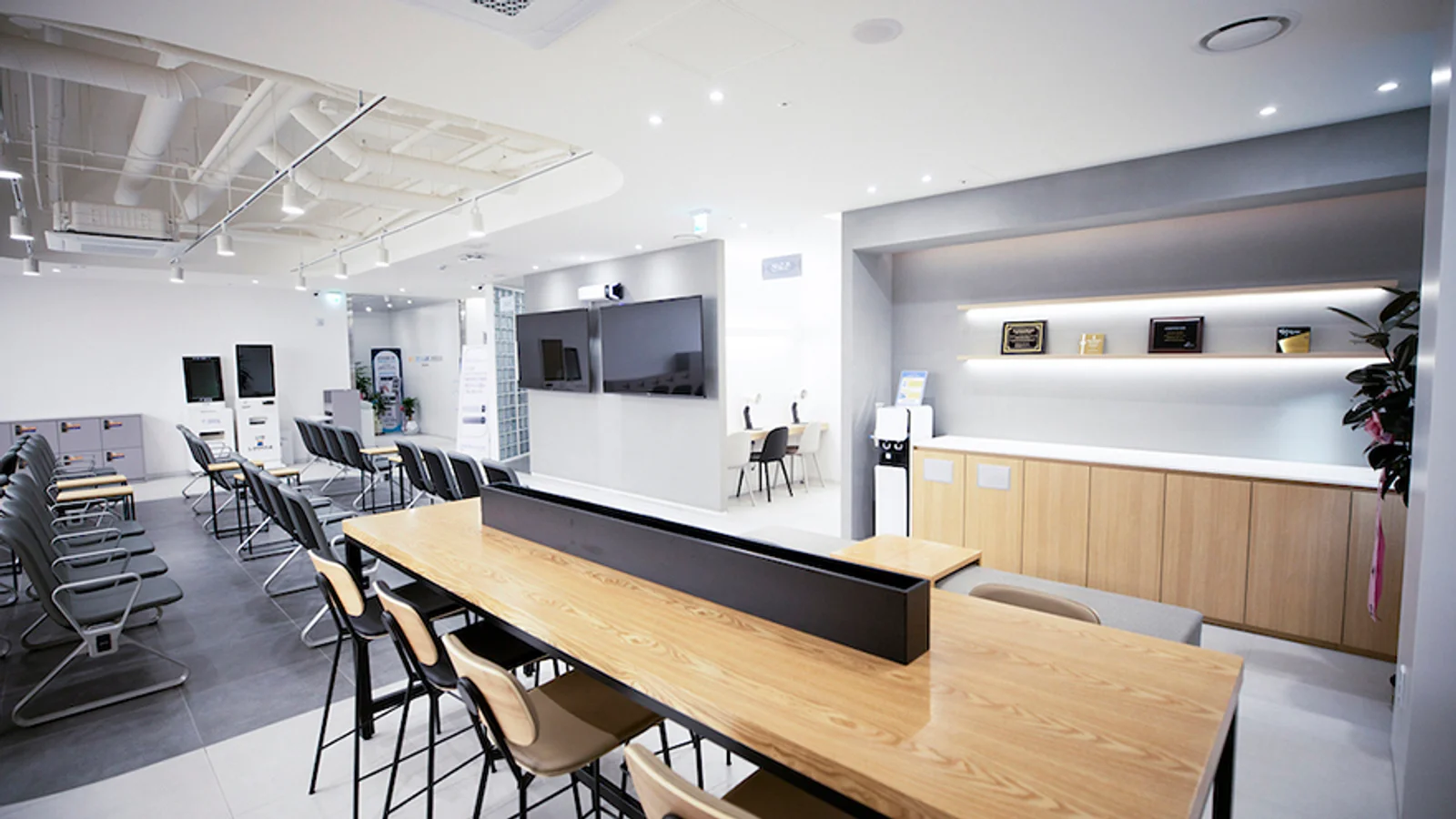
Why Global Ubal Eye Center?
- Over 23 years of experience in vision correction and cataract surgery
- Femtosecond laser technology for enhanced precision and safety
- Tailored treatments using cutting-edge IOLs
- Multilingual support for global patients
- Evidence-based approach, including published outcomes and patient follow-ups
- Accredited by regional health authorities, with a high patient satisfaction rating
Final Thoughts: Is It Time to Reclaim Your Near Vision?
Cataract surgery today goes far beyond simply restoring vision—it empowers patients to regain control over their daily lives. Whether you're squinting to read labels, missing out on hobbies, or juggling multiple pairs of glasses, advanced surgical options can dramatically improve both clarity and convenience.
More Articles
Continue reading our ophthalmology guides and vision care insights.

SMILE vs LASIK: Recovery Benchmarks for Vision Correction Care
South Korea has solidified its position as a global epicenter for ophthalmology, with the domestic LASIK and refractive surgery market projected to reach **USD 167.37 million by 2035**, growing at a steady CAGR of 8.54%.
Learn More

Prevalence of Myopia in Korea: The Value of Dream Lens Therapy
The prevalence of myopia among young people in South Korea has reached critical levels, often described as a "myopia epidemic." According to recent data from the **Korean National Health and Nutrition Examination Survey (KNHANES)**, the prevalence of myopia...
Learn More

Multidisciplinary Care: The Future of Korean Pediatric Eye Clinics
The landscape of pediatric eye care in South Korea is shifting rapidly. With nearly **21.9% of Korean children** estimated to be affected by various visual disorders according to nationwide health screenings, the demand for specialized intervention has never...
Learn More