Comprehensive Eye Care & Vision Correction in Incheon · Multilingual International Concierge
23+ Years Clinical Experience
en-US

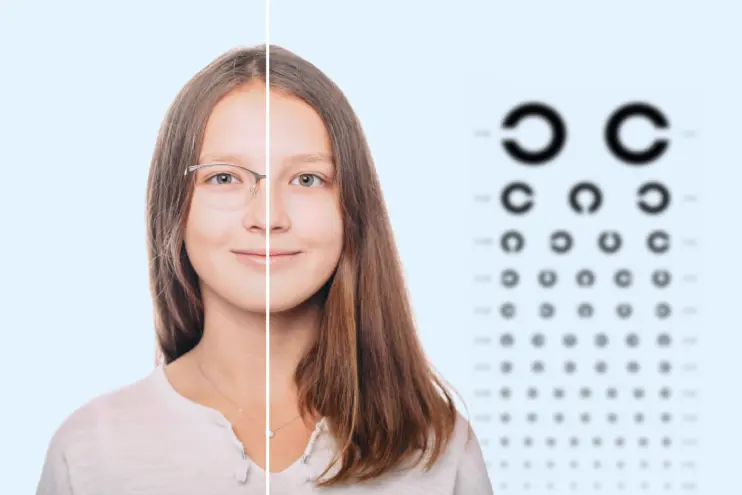
Ophthalmology Guide
Beyond Glasses: The Future of Vision Correction
Discover the future of vision correction beyond glasses. Explore innovative solutions like surgery and technology to enhance your eyesight. Learn more today!
Schedule a ConsultationVision correction has come a long way from the traditional glasses and contact lenses. While these methods remain popular and effective for many, the future of vision correction is unfolding through groundbreaking technologies and innovative treatments that offer enhanced precision, convenience, and long-term results.
1. The Evolution of Vision Correction: Moving Beyond Glasses
For decades, glasses have been the most common solution to vision problems such as nearsightedness (myopia), farsightedness (hyperopia), and astigmatism. Contact lenses also gained popularity as an alternative to glasses, offering greater flexibility and comfort for many patients.
2. Laser Eye Surgery: The Most Popular Vision Correction Treatment
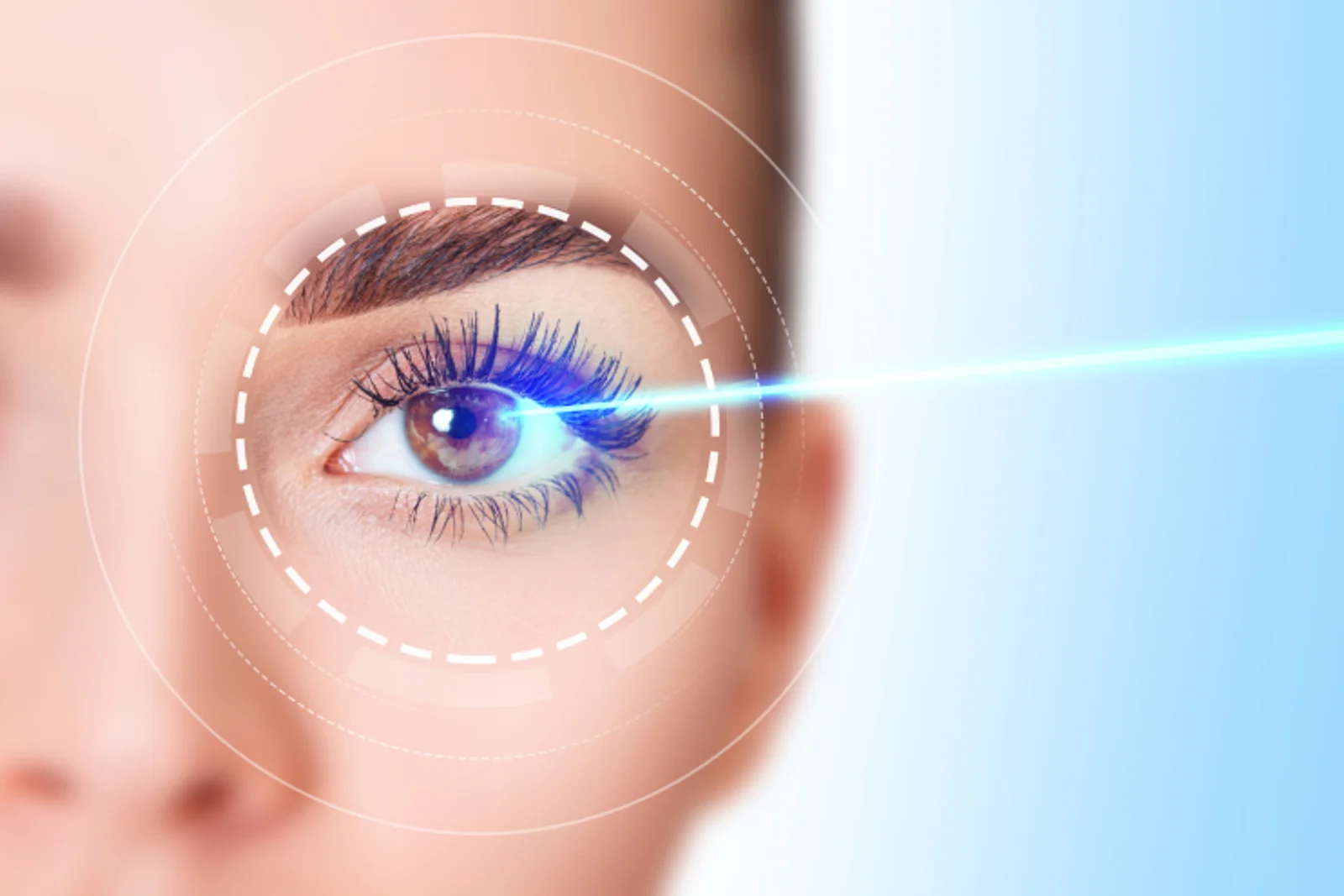
Laser eye surgery has revolutionized the field of vision correction. Procedures like LASIK (Laser-Assisted in Situ Keratomileusis) and SMILE (Small Incision Lenticule Extraction) are popular for their ability to reshape the cornea and correct refractive errors. These procedures are non-invasive and provide rapid recovery, often eliminating the need for corrective eyewear entirely.
- Quick recovery time: Most patients can return to normal activities within 24 hours.
- Minimal discomfort: Modern laser techniques reduce pain and discomfort during and after the procedure.
- Permanent results: Many patients achieve 20/25 vision or better, with results that last for years.
- Enhanced convenience: No more need for glasses or contact lenses.
3. Intraocular Lenses: A Long-Term Solution for Cataract and Refractive Issues
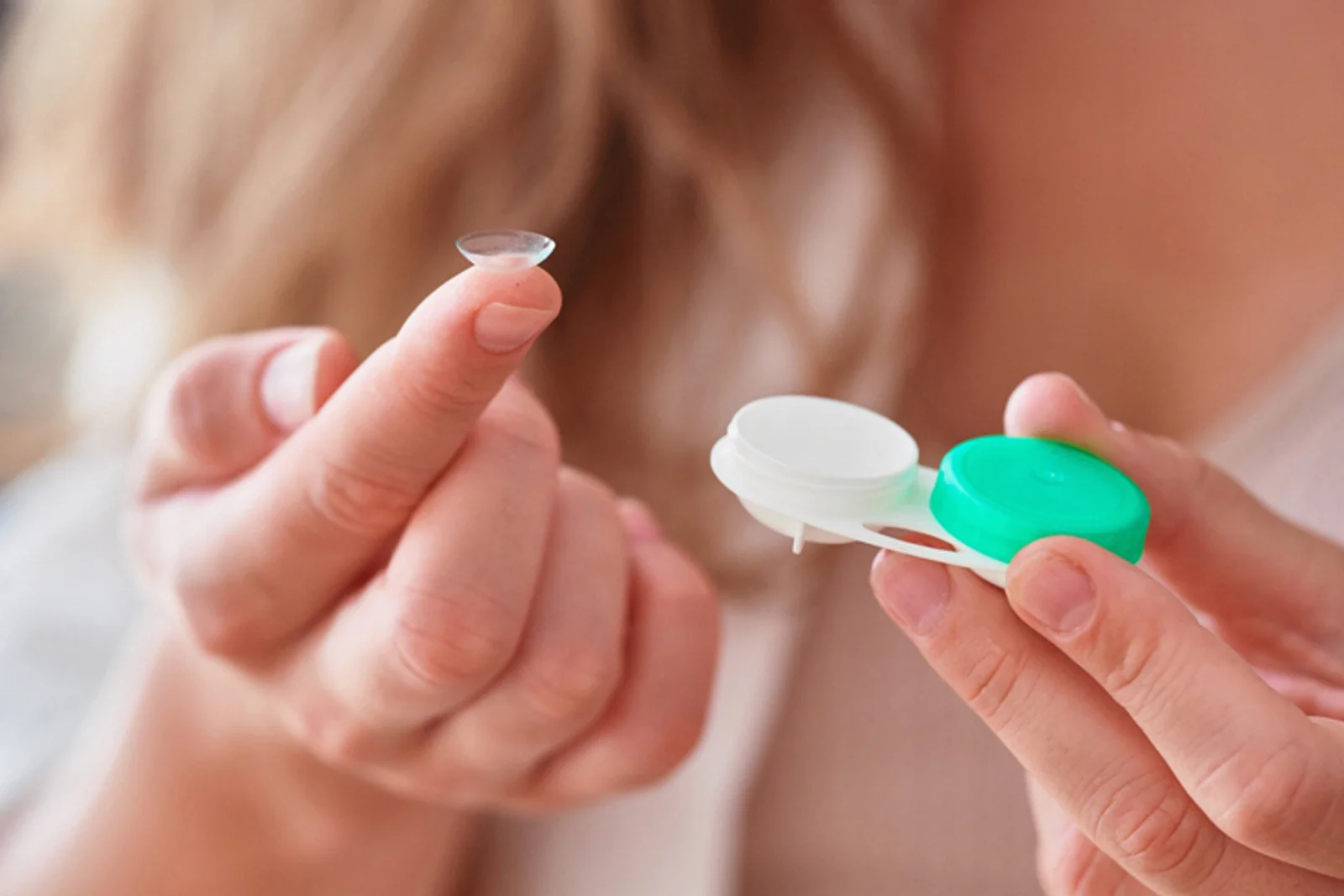
Intraocular lenses (IOLs) are an innovative solution for patients who suffer from cataracts, as well as those who want to address refractive errors. IOLs are implanted inside the eye to replace the natural lens. Unlike traditional cataract surgery, which only removes the cloudy lens, IOL implantation corrects refractive issues such as nearsightedness, farsightedness, and astigmatism.
Benefits of Intraocular Lenses:
- Clear vision at all distances: Multifocal IOLs allow you to see both near and far without glasses.
- Reduced dependence on corrective eyewear: Patients can experience greater independence from glasses and contacts.
- Customization: The lenses can be tailored to individual needs, ensuring the best possible visual outcome.
- Long-lasting solution: IOLs provide a permanent solution to refractive errors and cataracts.
4. Stem Cell Therapy: The Future of Regenerative Vision Care
Stem cell therapy represents a cutting-edge approach in regenerative medicine, offering potential solutions for patients with conditions that cannot be treated with traditional vision correction methods. Stem cell treatments for the eyes focus on regenerating damaged tissues, such as the cornea, retina, and optic nerve.
Advantages of Stem Cell Therapy in Vision Correction:
- Regeneration of damaged eye tissues: Stem cells can potentially restore vision in patients with conditions that were previously untreatable.
- Long-term benefits: Stem cell therapy may offer long-lasting results by promoting natural healing in the eye.
- Hope for vision recovery: For patients with degenerative eye diseases, stem cell therapy offers a new avenue for potential vision restoration.
5. Preserving Eye Health: Prevention and Early Intervention
In addition to advanced treatments, Global Ubal Eye Center emphasizes the importance of preventive care and early intervention in maintaining optimal eye health. Regular eye exams, healthy lifestyle choices, and proper nutrition are essential in preventing vision problems and catching issues early before they become serious.
- Regular eye check-ups: Stay on top of your eye health with routine exams.
- Healthy diet: Foods rich in antioxidants, vitamins, and minerals help maintain eye health.
- Protect your eyes: Use sunglasses to protect against UV rays and avoid prolonged exposure to digital screens.
6. The Future of Vision Correction: Personalization and Precision
As technology continues to advance, we anticipate even more personalized and precise solutions for vision correction. Global Ubal Eye Center is committed to staying ahead of the curve by integrating the latest research, technology, and techniques into our practice.
Conclusion
The future of vision correction is exciting and full of possibilities. Global Ubal Eye Center in Incheon is proud to offer cutting-edge treatments that go beyond glasses and contact lenses. From laser eye surgery to intraocular lenses and stem cell therapies, we are committed to providing our patients with the most advanced and effective solutions for clear, natural vision.
More Articles
Continue reading our ophthalmology guides and vision care insights.

SMILE vs LASIK: Recovery Benchmarks for Vision Correction Care
South Korea has solidified its position as a global epicenter for ophthalmology, with the domestic LASIK and refractive surgery market projected to reach **USD 167.37 million by 2035**, growing at a steady CAGR of 8.54%.
Learn More

Prevalence of Myopia in Korea: The Value of Dream Lens Therapy
The prevalence of myopia among young people in South Korea has reached critical levels, often described as a "myopia epidemic." According to recent data from the **Korean National Health and Nutrition Examination Survey (KNHANES)**, the prevalence of myopia...
Learn More

Multidisciplinary Care: The Future of Korean Pediatric Eye Clinics
The landscape of pediatric eye care in South Korea is shifting rapidly. With nearly **21.9% of Korean children** estimated to be affected by various visual disorders according to nationwide health screenings, the demand for specialized intervention has never...
Learn More