Comprehensive Eye Care & Vision Correction in Incheon · Multilingual International Concierge
23+ Years Clinical Experience
en-US


Ophthalmology Guide
2026 Guide: Premium Cataract Treatment Costs in South Korea
With South Korea’s aging population growing at an unprecedented rate, the demand for advanced ophthalmic solutions has surged.
Schedule a ConsultationWith South Korea’s aging population growing at an unprecedented rate, the demand for advanced ophthalmic solutions has surged. According to recent market reports, the Korean eye care market reached approximately USD 937.5 million in 2024, with a projected compound annual growth rate (CAGR) of 8.47% through 2035.
Premium Cataract Treatment in Korea: Costs and Outcomes
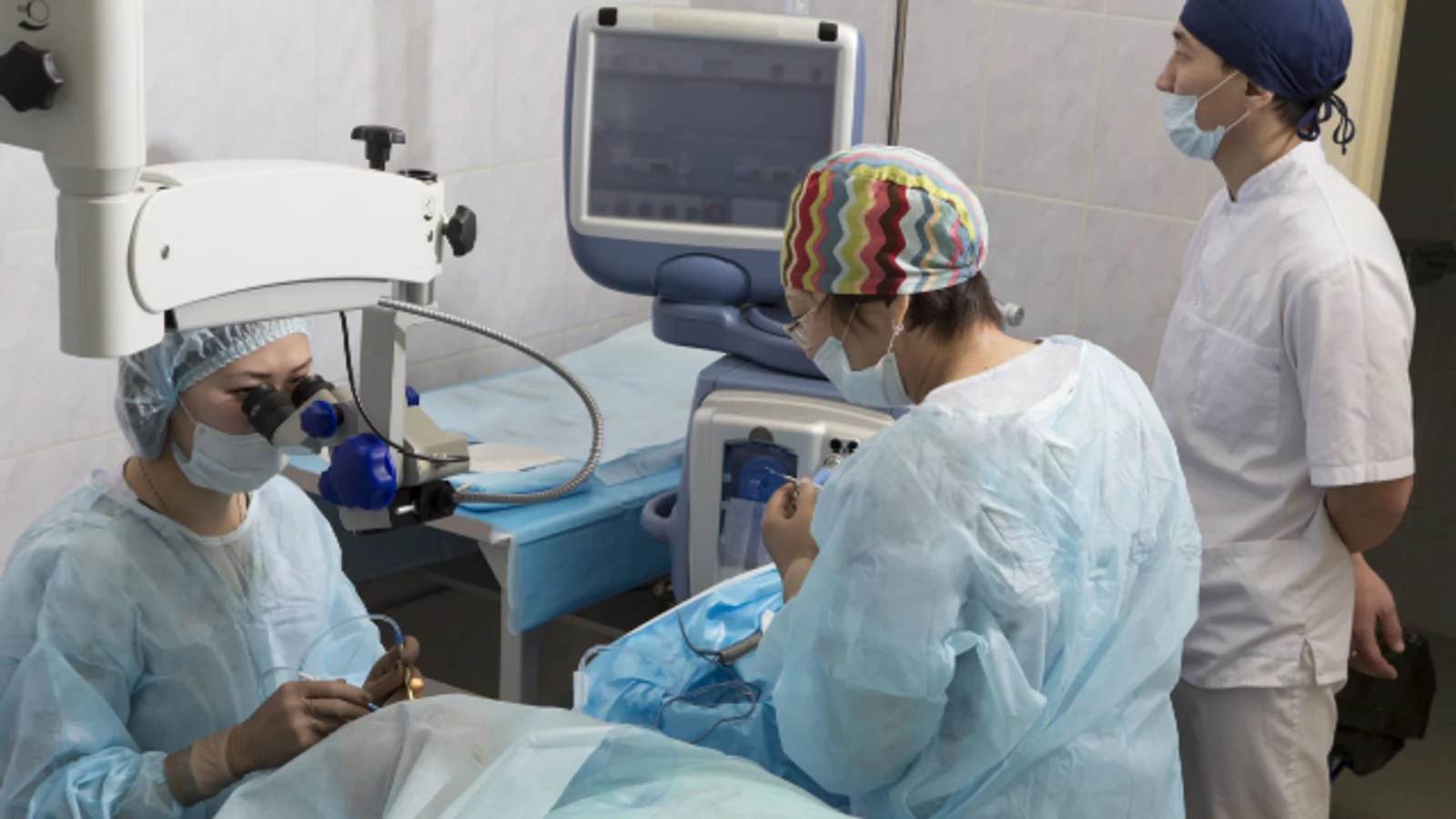
The primary question for most patients is the cost-to-benefit ratio of upgrading from a standard monofocal lens to a premium multifocal or EDOF (Extended Depth of Focus) lens. In a 2025 nationwide survey of Korean ophthalmic practices, nearly 29% of surgeons reported using multifocal IOLs in more than 10% of their total cases, a significant increase from previous years.
Why does the cost vary so significantly?
The total price is typically driven by the "Refractive-Minded" approach. Unlike traditional surgery, which only aims to clear the "cloudy" lens, premium procedures aim to eliminate the need for glasses entirely.
| Procedure Type | Typical Cost in Korea (Per Eye) | Estimated Cost in USA/Europe |
|---|---|---|
| Standard Cataract (Monofocal) | ₩1,500,000 – ₩3,000,000 | $3,000 – $5,000 |
| Premium Cataract (Multifocal/Trifocal) | ₩3,500,000 – ₩6,500,000 | $5,000 – $8,000 |
| Laser-Assisted Premium (FLACS) | ₩5,000,000 – ₩7,500,000 | $7,000 – $10,000+ |
Current Standard Approaches & Limitations
Most patients initially consider the standard path covered by Korea's National Health Insurance (NHIS) for residents. However, this traditional route often presents hidden "long-term costs" in terms of lifestyle.
- Standard Monofocal Lenses: Excellent for distance clarity but almost always require reading glasses for near tasks (mobile phones, reading).
- Manual Incisions: Traditional surgery uses manual blades. While effective, it lacks the micron-level repeatability of laser systems.
- The "Re-Intervention" Factor: Patients who choose standard lenses and later regret the loss of near vision may face more complex secondary refractive procedures or a lifetime of corrective lens expenses.
Innovative Approach: Laser-Assisted Premium IOL Implantation
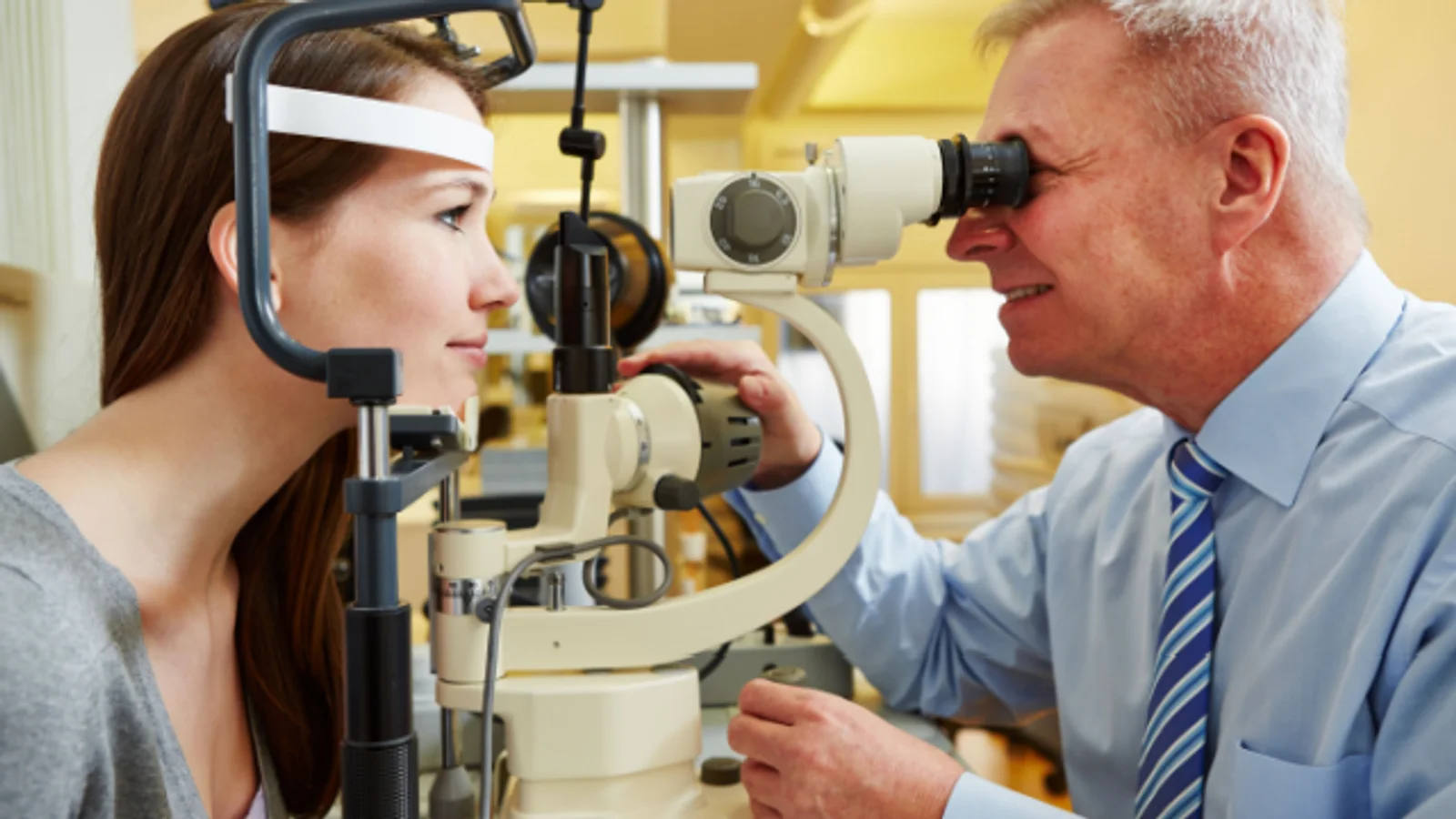
The most advanced approach currently offered at Global Ubal Eye Center is Laser-Assisted Premium IOL Implantation. This protocol replaces manual surgical steps with Femtosecond Laser technology to ensure perfect lens centration and fragmentation.
How it Works
Is Premium Cataract surgery in Korea worth the cost?
Yes, for patients seeking visual independence. While the upfront cost is higher than standard surgery, the "all-distance" vision provided by premium lenses can save thousands in glasses and contact lens costs over a 10–20 year period. Furthermore, the use of laser precision may reduce the risk of post-operative astigmatism.
Data & Outcomes: Conventional vs. Premium Path
Current data suggests that Korea is a leader in "Refractive Cataract" outcomes. While conventional surgery has a high success rate for clearing vision, premium protocols score significantly higher on "Patient Satisfaction" metrics regarding lifestyle.
| Metric | Conventional Cataract | Laser-Assisted Premium |
|---|---|---|
| Surgical Precision | Variable (Manual) | Micron-level (Laser) |
| Spectacle Independence | Low (Usually needs glasses) | High (Often 90%+) |
| Recovery Speed | 1–2 weeks for stability | 24–48 hours for functional sight |
| Long-term Value | Lower upfront, higher maintenance | Higher upfront, low maintenance |
Local Korea Insights: Why Seoul is the Choice for 2026
Korea’s medical infrastructure is uniquely positioned to offer high-tech care at competitive prices due to a highly concentrated ecosystem of biotech innovation.
- Regenerative Growth: The Korean regenerative medicine market is growing at 18% CAGR, influencing how clinics approach tissue preservation during eye surgery.
- Speed & Convenience: In Korea, the "One-Stop" system allows for examination, surgery, and discharge within a single day, catering to the "Palli-Palli" (fast-fast) culture of efficiency and rapid recovery.
- Medical Tourism: International patients can often receive a VAT refund (approx. 10%) on vision correction procedures, further lowering the effective cost compared to Japan or the West.
Where Global Ubal Eye Center Fits in Premium Cataract Care
Conclusion
More Articles
Continue reading our ophthalmology guides and vision care insights.

SMILE vs LASIK: Recovery Benchmarks for Vision Correction Care
South Korea has solidified its position as a global epicenter for ophthalmology, with the domestic LASIK and refractive surgery market projected to reach **USD 167.37 million by 2035**, growing at a steady CAGR of 8.54%.
Learn More

Prevalence of Myopia in Korea: The Value of Dream Lens Therapy
The prevalence of myopia among young people in South Korea has reached critical levels, often described as a "myopia epidemic." According to recent data from the **Korean National Health and Nutrition Examination Survey (KNHANES)**, the prevalence of myopia...
Learn More

Multidisciplinary Care: The Future of Korean Pediatric Eye Clinics
The landscape of pediatric eye care in South Korea is shifting rapidly. With nearly **21.9% of Korean children** estimated to be affected by various visual disorders according to nationwide health screenings, the demand for specialized intervention has never...
Learn More