Comprehensive Eye Care & Vision Correction in Incheon · Multilingual International Concierge
23+ Years Clinical Experience
en-US


Ophthalmology Guide
Why Cataract Surgery Solves Both Near and Far Vision Problems
Discover how cataract surgery restores both near and far vision by replacing the clouded lens with advanced intraocular lenses. Learn more about your options!
Schedule a ConsultationIntroduction: The Silent Frustration of Blurred Vision
If you’ve ever found yourself holding your phone at arm’s length to read a message, only to squint moments later to see a street sign in the distance, you’re not alone. Blurred vision — both near and far — creeps in slowly for many people, becoming a source of daily frustration. Add the dim, cloudy effects of a cataract, and it’s like trying to live your life behind a smudged camera lens.
How the Eye Focuses — And What Happens When Cataracts Develop
Your eye functions like a camera, with a natural lens inside that adjusts focus depending on where you’re looking. This ability to change focus, called accommodation, allows you to see road signs in the distance and read small print up close.
- You can’t focus well up close.
- Everything starts to look dim or washed out, even at a distance.
Cataract Surgery as a Vision Reset — Not Just Cloud Removal
To be frank, cataract surgery today is as much a refractive procedure as it is a restorative one. While traditional cataract surgery clears away the opacity, modern options give us the power to customize vision correction, often eliminating or reducing the need for glasses.
Standard Monofocal IOLs
- These lenses focus at one fixed distance, usually far.
- After surgery, you may see clearly at a distance, but still need reading glasses.
Advanced Multifocal and EDOF IOLs
- Multifocal lenses have zones for near, intermediate, and distance vision.
- Extended Depth of Focus (EDOF) lenses stretch the focus range, offering smoother transitions between distances.
Why Cataract Surgery Improves Both Near and Far Vision
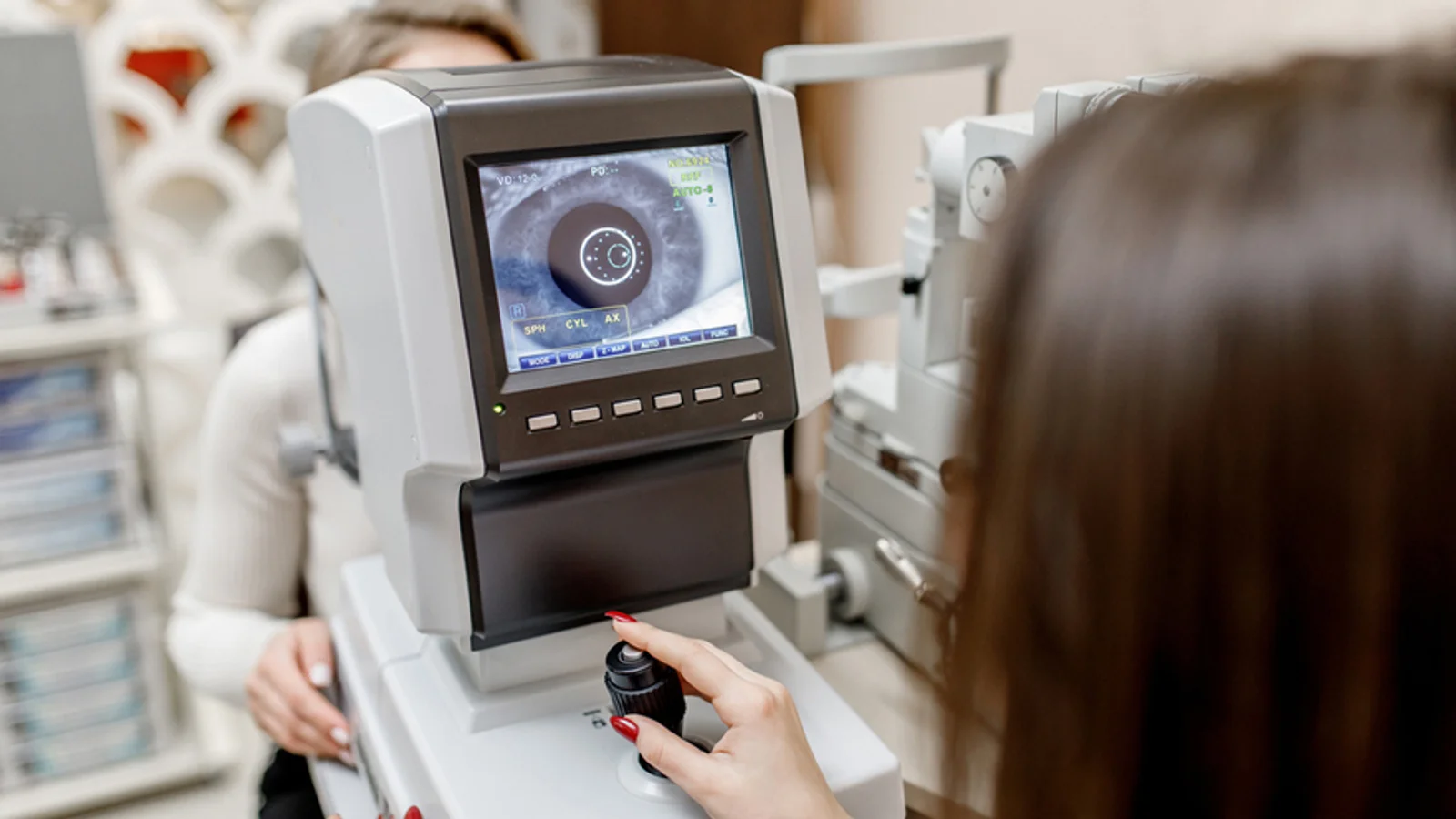
1. It Eliminates the Haze Affecting All Distances
Cataracts reduce overall clarity by scattering light. Removing the cataract immediately boosts contrast, sharpness, and brightness — whether you’re looking at a sunset or the fine print on a receipt.
2. It Allows for Custom Lens Replacement
Instead of replacing your natural lens with a basic monofocal lens, we can select an advanced IOL based on your lifestyle. Whether you:
- Work on a computer for hours,
- Drive long distances,
- Enjoy reading,
3. It Can Correct Astigmatism at the Same Time
Many people also have astigmatism, a curvature issue in the cornea that causes blurred vision. With toric IOLs, we can correct that too — sharpening vision across all distances.
4. It Simplifies Visual Life
After surgery, many patients are amazed at how much easier life becomes. No more switching between multiple pairs of glasses. No more guessing which prescription to use. Just clearer, more functional sight.
5. The Brain Adapts to New Visual Input
A fascinating part of the process is how the brain adjusts. After cataract surgery, patients often notice that they don't just see better — they process visual information faster. This can improve balance, reaction time, and even confidence when walking or driving.
Real Stories: What Patients Often Experience
We often hear things like:
- “I can read my phone and drive at night without glasses. I never thought that would be possible again.”
- “Colors look brighter. It’s like someone turned the lights back on.”
- “I didn’t realize how bad my vision had gotten until I saw clearly again.”
Who Is a Good Candidate for Advanced Vision Correction?
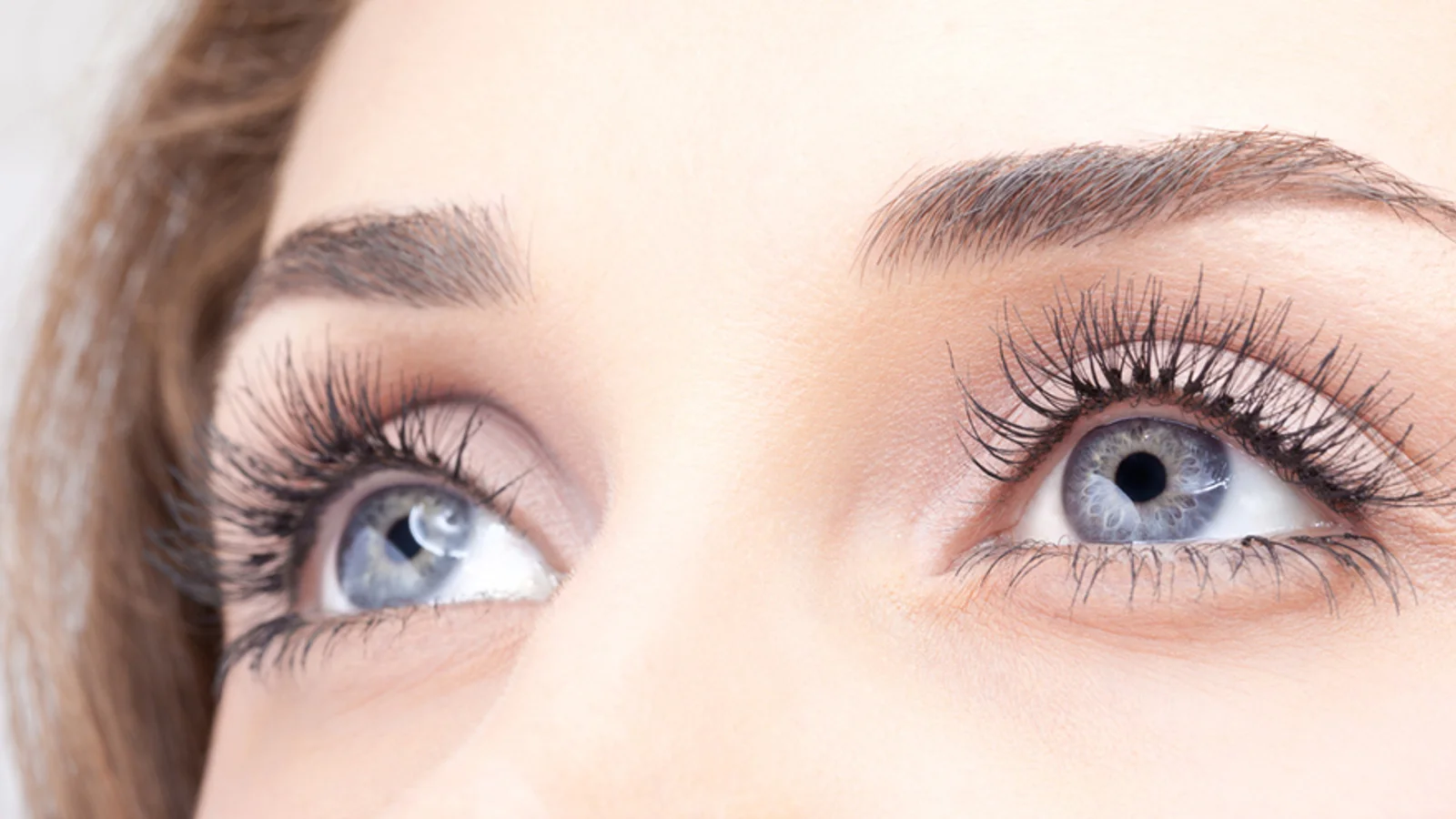
Most people with age-related cataracts are eligible for advanced IOLs. Ideal candidates are:
- In good overall eye health
- Free from serious retinal or optic nerve disease
- Realistic about potential trade-offs (e.g., mild halos vs. reduced glasses use)
Why Personalized Planning Matters
To be honest, not every eye is suitable for every lens. Some patients do better with a monofocal lens due to pre-existing conditions. Others benefit enormously from a multifocal or EDOF IOL.
- Discuss your daily visual habits
- Review your eye health history
- Use detailed imaging to assess lens, cornea, and retina
Conclusion: The Power of Seeing Clearly — Near, Far, and Everything In Between
We often think of vision as something binary: either you see or you don’t. But the reality is more nuanced. The ability to see up close, far away, and in between shapes how we read, drive, work, connect with loved ones, and feel safe in the world.
More Articles
Continue reading our ophthalmology guides and vision care insights.

SMILE vs LASIK: Recovery Benchmarks for Vision Correction Care
South Korea has solidified its position as a global epicenter for ophthalmology, with the domestic LASIK and refractive surgery market projected to reach **USD 167.37 million by 2035**, growing at a steady CAGR of 8.54%.
Learn More

Prevalence of Myopia in Korea: The Value of Dream Lens Therapy
The prevalence of myopia among young people in South Korea has reached critical levels, often described as a "myopia epidemic." According to recent data from the **Korean National Health and Nutrition Examination Survey (KNHANES)**, the prevalence of myopia...
Learn More

Multidisciplinary Care: The Future of Korean Pediatric Eye Clinics
The landscape of pediatric eye care in South Korea is shifting rapidly. With nearly **21.9% of Korean children** estimated to be affected by various visual disorders according to nationwide health screenings, the demand for specialized intervention has never...
Learn More