Comprehensive Eye Care & Vision Correction in Incheon · Multilingual International Concierge
23+ Years Clinical Experience
en-US


Ophthalmology Guide
Why All-Laser LASIK Is a Game-Changer for Thin Corneas
Discover why All-Laser LASIK is revolutionizing vision correction for thin corneas—safer, more precise results with faster recovery. Learn more today!
Schedule a ConsultationIntroduction
At Global Ubal Eye Center, we meet many patients who arrive carrying the weight of a single sentence: “You’re not a candidate for LASIK.” Often, the reason is “thin corneas.” And for those who’ve dreamed of ditching their glasses or contacts, it feels like a door has slammed shut.
Why “Thin Corneas” Are More Than Just a Measurement
The average human cornea is about 540–550 microns thick. If yours is below that range, we consider it "thin." But what really matters isn't just that number—it’s what remains after surgery. LASIK involves reshaping the cornea to correct refractive errors. To do that, we remove a calculated amount of tissue from the stroma (the inner layer).
All-Laser LASIK: A Safer, More Precise Approach
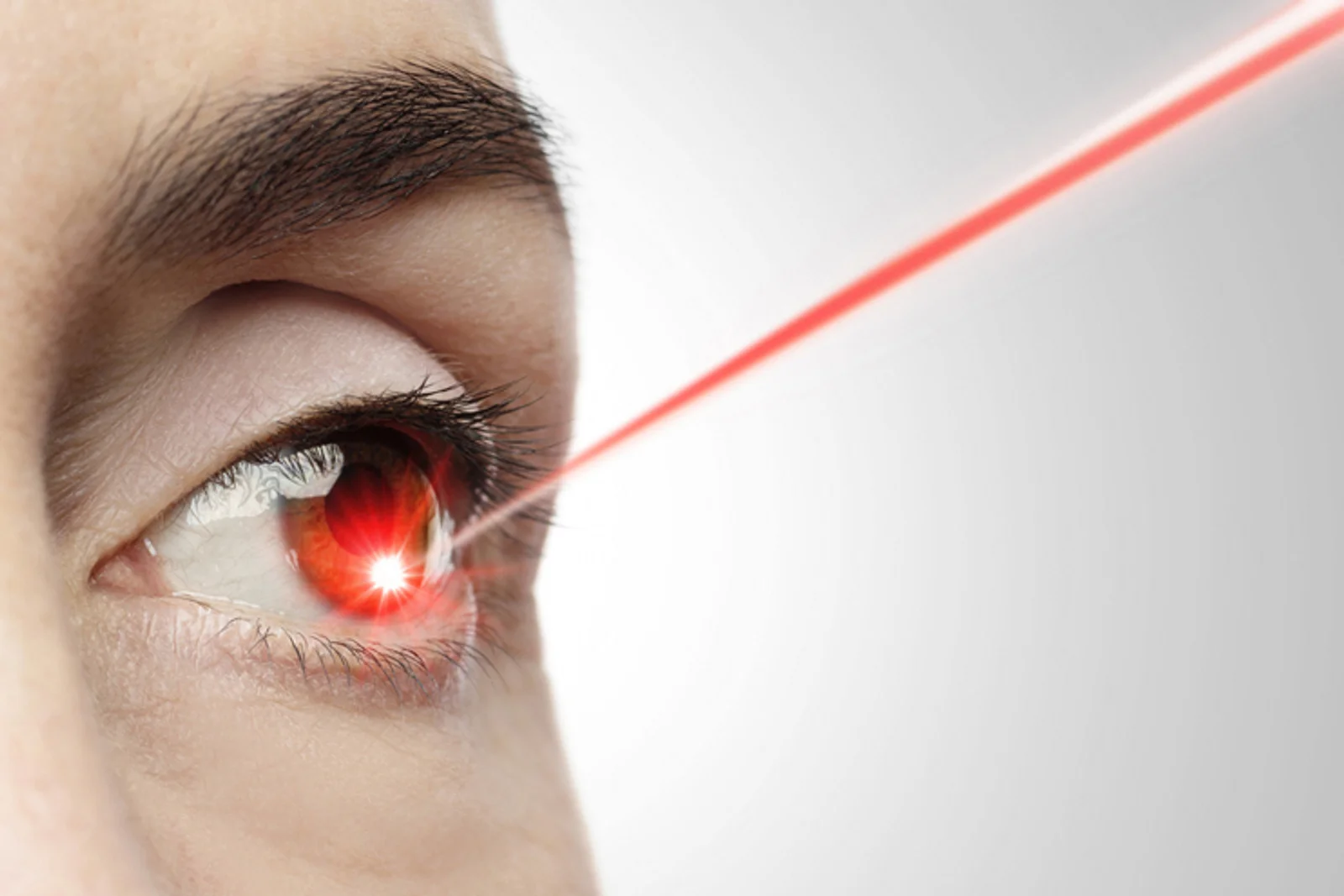
All-laser LASIK, also known as bladeless LASIK, represents a significant evolution in refractive surgery. Rather than using a mechanical blade to create the corneal flap, this technique employs two different types of laser technology: a femtosecond laser for flap creation and an excimer laser for corneal reshaping.
The Femtosecond Laser Advantage
The femtosecond laser uses ultra-short pulses of light (measured in quadrillionths of a second) to create a precise, pre-programmed flap just beneath the corneal surface. This allows us to control flap depth, thickness, diameter, and hinge placement down to the micron.
Why Flap Thickness Matters
In a thin cornea, the concern isn't just about total thickness—it’s about how much corneal tissue remains after the flap and ablation. A thinner flap means more tissue is preserved for reshaping the cornea safely. It also reduces the biomechanical impact on the cornea, lowering the risk of ectasia and improving long-term stability.
Enhanced Customization and Accuracy
Another key benefit of all-laser LASIK is the ability to pair it with topography-guided or wavefront-optimized treatment plans. These technologies map the eye’s surface and internal optics in ultra-high detail, allowing us to remove only the tissue necessary for correction—and nothing more.
- Less tissue ablation
- Sharper visual outcomes
- Reduced higher-order aberrations (like halos or glare)
Smoother Recovery and Fewer Complications
Blade-based flap creation can occasionally result in incomplete flaps, buttonholes, or flap dislocation. Femtosecond laser flaps have cleaner edges and more consistent geometry, which promotes quicker healing and more stable outcomes.
A Foundation for Long-Term Vision Health
All-laser LASIK isn’t just about the procedure—it’s about what comes after. A thinner, more precisely created flap reduces biomechanical disruption, which can translate to more stable vision over time. That’s a critical advantage for patients who are young, active, or simply want their correction to last for decades.
Limitations Still Apply: Caution First
To be completely transparent, not every patient with thin corneas will be eligible for LASIK—even with all-laser techniques. Certain safety thresholds remain:
- We must leave a residual stromal bed of at least 250–300 microns.
- Any signs of keratoconus or irregular corneal topography usually disqualify a patient.
- Long-term biomechanical stability still takes precedence over short-term visual gain.
Our Protocol at Global Ubal Eye Center

With over 23 years of experience and a commitment to the safest outcomes, we’ve developed a systematic approach for thin-cornead patients:
Step 1: Diagnostic Mapping
We use advanced imaging to analyze:
- Corneal thickness
- Topography/tomography
- Biomechanics
- Optical aberrations
Step 2: Risk Stratification
We don’t just look at thickness—we assess the risk of ectasia using AI-based modeling, your age, eye rubbing habits, and family history. Younger patients with unstable prescriptions or high astigmatism get extra scrutiny.
Step 3: Customized Surgery Plan
If all-laser LASIK is deemed safe, we:
- Use femtosecond lasers for flap creation
- Apply tissue-sparing excimer profiles
- Combine with corneal strengthening if needed (e.g., collagen cross-linking)
Real-World Example: Young Professional, Thin Corneas, LASIK Success
Conclusion
More Articles
Continue reading our ophthalmology guides and vision care insights.

SMILE vs LASIK: Recovery Benchmarks for Vision Correction Care
South Korea has solidified its position as a global epicenter for ophthalmology, with the domestic LASIK and refractive surgery market projected to reach **USD 167.37 million by 2035**, growing at a steady CAGR of 8.54%.
Learn More

Prevalence of Myopia in Korea: The Value of Dream Lens Therapy
The prevalence of myopia among young people in South Korea has reached critical levels, often described as a "myopia epidemic." According to recent data from the **Korean National Health and Nutrition Examination Survey (KNHANES)**, the prevalence of myopia...
Learn More

Multidisciplinary Care: The Future of Korean Pediatric Eye Clinics
The landscape of pediatric eye care in South Korea is shifting rapidly. With nearly **21.9% of Korean children** estimated to be affected by various visual disorders according to nationwide health screenings, the demand for specialized intervention has never...
Learn More