Comprehensive Eye Care & Vision Correction in Incheon · Multilingual International Concierge
23+ Years Clinical Experience
en-US


Ophthalmology Guide
When Should You Consider Glasses for Your Child? A Pediatric Guide
Discover when children may need glasses. This pediatric guide explains signs, eye exams & treatments. Learn more to protect your child’s vision today!
Schedule a ConsultationIntroduction: A Quiet Concern Many Parents Face
It often begins with a small moment that parents can’t quite put their finger on. Perhaps your child starts leaning closer to the television, tilting their head while reading, or struggling to copy words from the blackboard. Sometimes a teacher notices before parents do, mentioning that your child seems distracted or has trouble following along in class.
Why Childhood Vision Is So Important
Vision plays a central role in how children learn and grow. Research suggests that up to 80% of a child’s learning is dependent on vision, from reading and writing to playing and observing the world around them. Unlike adults, children often lack the awareness to know that their eyesight is impaired. If everything looks blurry, they assume it looks that way for everyone.
Subtle Signs That Your Child May Need Glasses
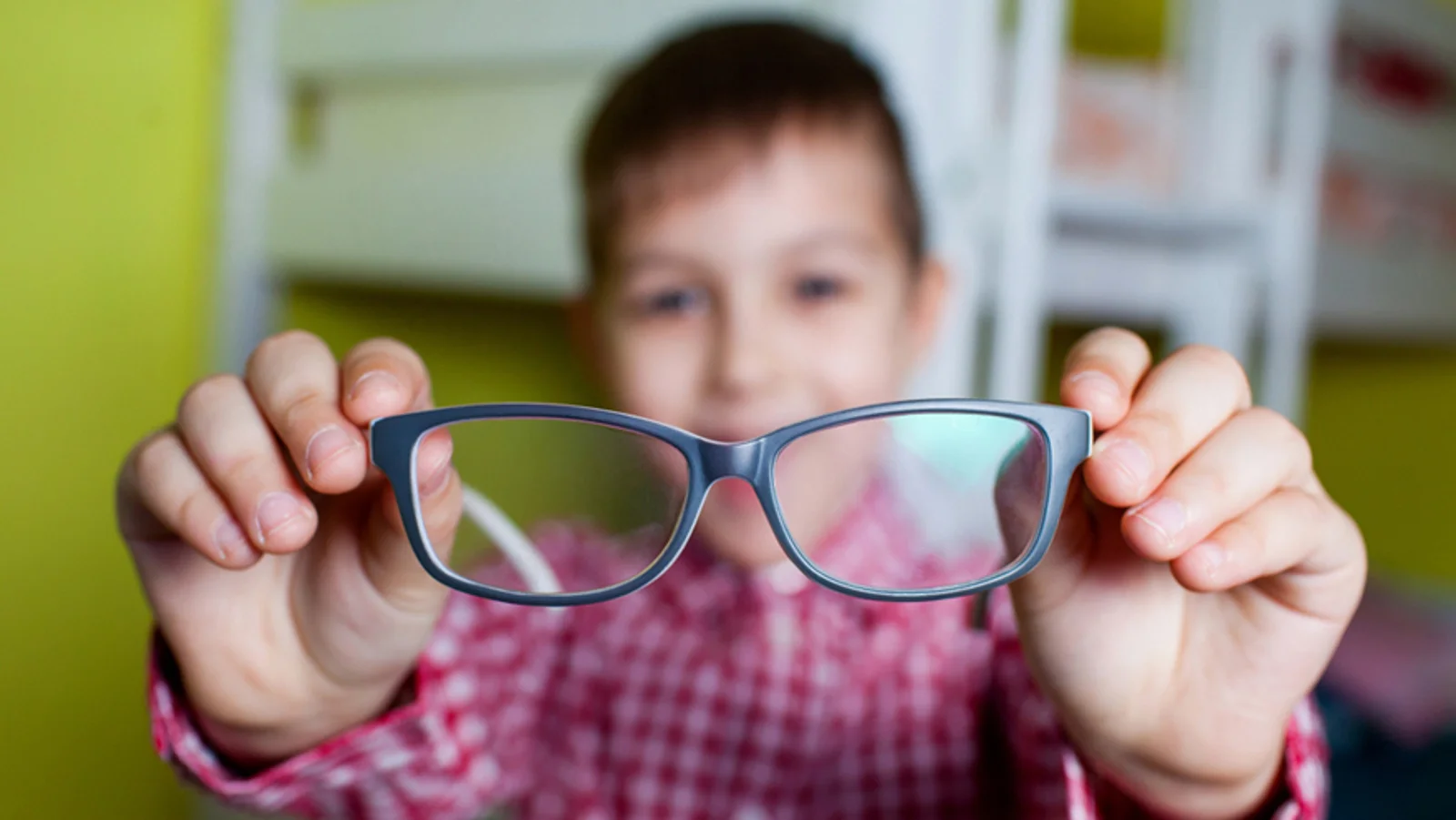
Children rarely come to their parents and say, “I can’t see well.” Instead, their behavior tells the story. Some of the most common signs that a child may need glasses include:
- Squinting or head tilting to bring objects into focus.
- Sitting too close to screens or books.
- Frequent eye rubbing even when not tired.
- Headaches or eye strain, especially after reading.
- Clumsiness or poor coordination during sports and play.
- Difficulty focusing in school, leading teachers to suspect attention issues.
Common Vision Problems in Children
At Global Ubal Eye Center, the most frequent reasons children are prescribed glasses include:
- Myopia (Nearsightedness): A rapidly growing problem in Korea, where prolonged screen time and academic pressure contribute to early onset. Children with myopia see well up close but struggle with distance vision, such as reading the blackboard.
- Hyperopia (Farsightedness): Can make reading or near work challenging, leading to fatigue or disinterest in books.
- Astigmatism: Causes blurred or distorted vision at all distances and is often present alongside myopia or hyperopia.
- Strabismus (Eye Misalignment): Sometimes corrected with glasses alone, reducing the risk of amblyopia (lazy eye).
- Amblyopia (Lazy Eye): Often related to untreated refractive errors or misalignment. If caught early, glasses and patching therapy can prevent lifelong visual impairment.
When Should Children Have Their First Eye Exam?
Many parents wait until a teacher reports vision problems, but early eye exams are critical. Pediatricians may do basic screenings, but a comprehensive exam by an ophthalmologist provides a much clearer picture.
- Infants (6–12 months): Screening for congenital conditions like cataracts or retinoblastoma.
- Preschoolers (3–5 years): Ideal for detecting amblyopia, strabismus, or early refractive errors.
- School-age children (6+ years): Exams every 1–2 years, or sooner if symptoms appear.
The Emotional Side of Wearing Glasses
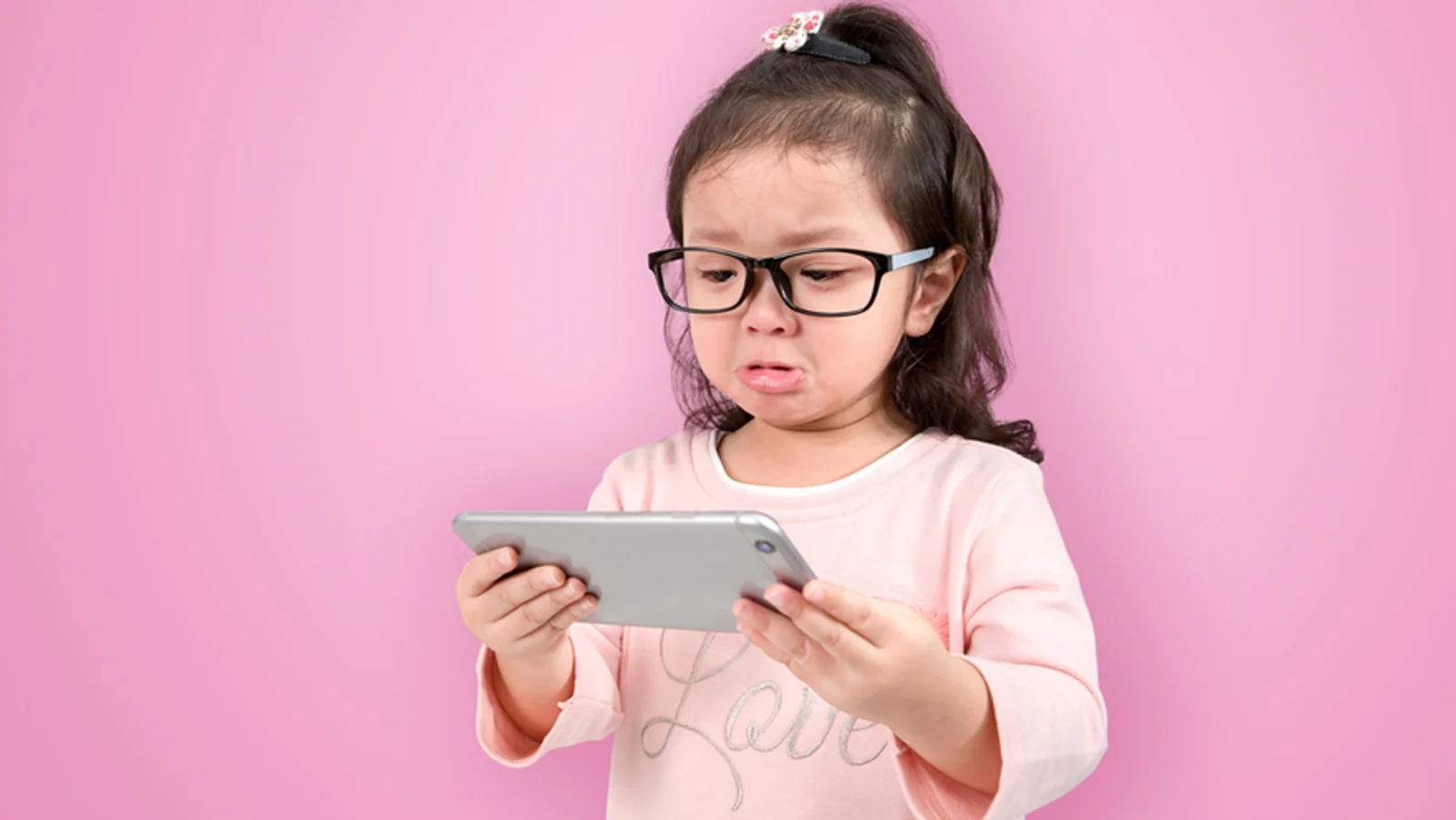
For a child, wearing glasses can feel like a big adjustment. Some may resist, worrying about how they look, while others may find the sensation uncomfortable at first.
Myopia in Korea: A Growing Concern
One of the most pressing issues in pediatric eye care today is myopia progression. In Korea, children often begin developing myopia as early as age 6 or 7, and without proper management, prescriptions can increase rapidly through adolescence.
- Orthokeratology (Dream Lens): Special contact lenses worn at night to temporarily reshape the cornea and control myopia progression.
- Low-dose Atropine Drops: Sometimes prescribed to slow eye growth.
- Outdoor Play: Studies show that spending at least 2 hours outdoors daily reduces the risk of developing myopia.
How Parents Can Support Healthy Vision
Glasses are just one part of the solution. Parents can support their child’s eye health in everyday ways:
- Encourage outdoor activities, reducing continuous screen and study time.
- Teach children the 20-20-20 rule: every 20 minutes of near work, look at something 20 feet away for 20 seconds.
- Ensure good lighting when reading or doing homework.
- Keep up with regular eye exams — even if your child isn’t complaining.
Conclusion: Clear Vision, Bright Future
Childhood is a precious time of growth, learning, and discovery. Good vision is at the heart of it all. When a child struggles to see clearly, it doesn’t just affect their eyesight — it touches every part of their development, from academics to self-confidence.
More Articles
Continue reading our ophthalmology guides and vision care insights.

SMILE vs LASIK: Recovery Benchmarks for Vision Correction Care
South Korea has solidified its position as a global epicenter for ophthalmology, with the domestic LASIK and refractive surgery market projected to reach **USD 167.37 million by 2035**, growing at a steady CAGR of 8.54%.
Learn More

Prevalence of Myopia in Korea: The Value of Dream Lens Therapy
The prevalence of myopia among young people in South Korea has reached critical levels, often described as a "myopia epidemic." According to recent data from the **Korean National Health and Nutrition Examination Survey (KNHANES)**, the prevalence of myopia...
Learn More

Multidisciplinary Care: The Future of Korean Pediatric Eye Clinics
The landscape of pediatric eye care in South Korea is shifting rapidly. With nearly **21.9% of Korean children** estimated to be affected by various visual disorders according to nationwide health screenings, the demand for specialized intervention has never...
Learn More