Comprehensive Eye Care & Vision Correction in Incheon · Multilingual International Concierge
23+ Years Clinical Experience
en-US


Ophthalmology Guide
What’s the Best Age to Fix Presbyopia for Long-Term Vision
Discover the best age to treat presbyopia for lasting vision clarity. Learn when to act for optimal results and long-term eye health. Explore your options now!
Schedule a ConsultationIntroduction: When Reading Small Print Becomes a Daily Struggle
You’re in your early 40s, and suddenly the menu at your favorite café looks a little fuzzier than it used to. You find yourself holding books and your phone farther away. Maybe you laugh it off at first. But beneath that laugh is a question many people quietly begin to ask: Is this just aging, or is it time to do something about it?
What Is Presbyopia Really?
Presbyopia is a natural, age-related condition where the eye gradually loses its ability to focus on nearby objects. It’s not a disease — it’s a structural change inside the eye.
Why the Best Age Isn’t a Number, but a Milestone
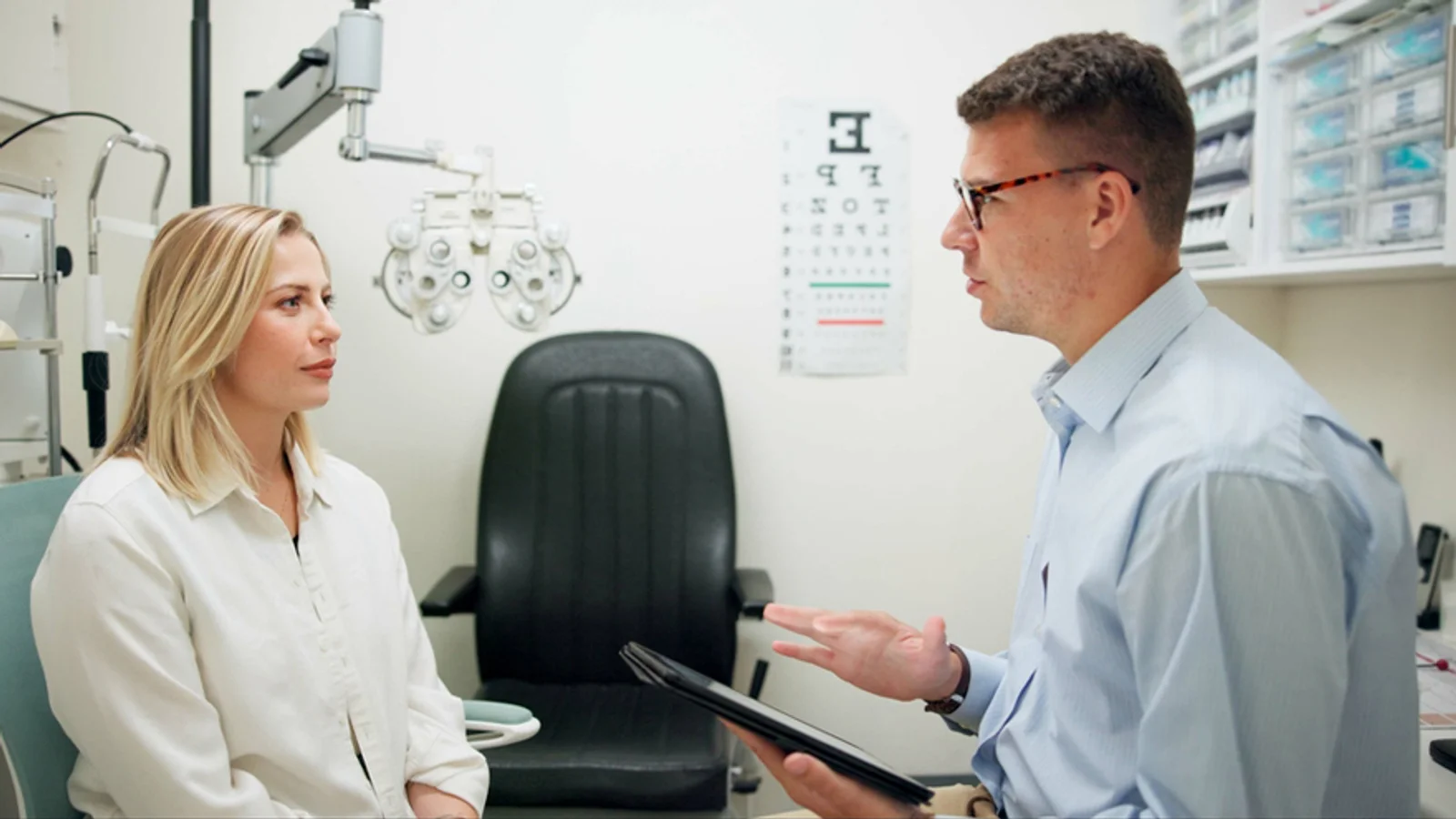
When people ask, “What’s the best age to fix presbyopia?” they often expect a number — 45, 50, maybe 55. But in reality, there is no one-size-fits-all age. The best time to address presbyopia isn’t about your birth certificate. It’s about when your vision starts interfering with your quality of life.
How Vision Evolves Through the Years
Understanding how your eyes change can help you time your treatment:
- Late 30s to Early 40s: Eye strain after reading. Occasional blur. Lighting makes a big difference.
- Mid-40s: Holding reading material at arm’s length. Reading glasses may enter the scene.
- 50s: You rely on reading glasses every day. Maybe even different pairs for different tasks.
- 60s and Beyond: Presbyopia is fully present. Cataract development may begin, further impacting vision.
Why Early Intervention Can Pay Off
Fixing presbyopia doesn’t mean rushing into surgery at the first sign of blur. But it also doesn’t mean waiting until it becomes unbearable. Here’s why a proactive approach can help:
Treatment Options: From Reading Glasses to Surgical Correction

Global Ubal Eye Center offers a range of solutions — from simple and non-invasive to advanced, long-term procedures. Here’s what we consider based on your age and visual needs:
1. Reading Glasses
- Best for early symptoms or minimal impact.
- Simple, inexpensive, but requires carrying them everywhere.
2. Multifocal or Progressive Lenses
- Offer seamless vision at multiple distances.
- Good for people who want to avoid switching between different glasses.
3. Contact Lenses (Multifocal or Monovision)
- Ideal for active lifestyles.
- Some people need time to adapt.
4. Laser-Based Procedures (e.g., PresbyLASIK)
- Modifies the cornea to improve near and distance vision.
- Best for early to mid-presbyopia, often in your 40s or early 50s.
5. Lens Replacement Surgery (Multifocal or EDOF IOLs)
- Involves replacing your natural lens with a permanent artificial one.
- Excellent for people 50+ or those with early cataracts.
- Can eliminate the need for reading glasses entirely.
What Our Clinic Recommends — Based on Real-Life Cases
- Case A: 42-Year-Old Marketing Professional She noticed near blur while editing designs on her phone. After a personalized evaluation, we recommended multifocal contact lenses. She regained clarity without disrupting her lifestyle.
- Case B: 49-Year-Old Business Executive Frequent traveler, tired of juggling glasses. We performed laser vision correction tailored to her eye shape and visual habits. She returned to work in days, glasses-free.
- Case C: 56-Year-Old Teacher with Early Cataracts He wanted a permanent fix for both his blurry near vision and emerging lens clouding. We recommended lens replacement with multifocal IOLs. Today, he enjoys crystal-clear vision at all distances.
Conclusion: Fixing Presbyopia Is About Timing — and Trust
Presbyopia is a natural part of life — but that doesn’t mean you have to accept its limitations.
More Articles
Continue reading our ophthalmology guides and vision care insights.

SMILE vs LASIK: Recovery Benchmarks for Vision Correction Care
South Korea has solidified its position as a global epicenter for ophthalmology, with the domestic LASIK and refractive surgery market projected to reach **USD 167.37 million by 2035**, growing at a steady CAGR of 8.54%.
Learn More

Prevalence of Myopia in Korea: The Value of Dream Lens Therapy
The prevalence of myopia among young people in South Korea has reached critical levels, often described as a "myopia epidemic." According to recent data from the **Korean National Health and Nutrition Examination Survey (KNHANES)**, the prevalence of myopia...
Learn More

Multidisciplinary Care: The Future of Korean Pediatric Eye Clinics
The landscape of pediatric eye care in South Korea is shifting rapidly. With nearly **21.9% of Korean children** estimated to be affected by various visual disorders according to nationwide health screenings, the demand for specialized intervention has never...
Learn More