Comprehensive Eye Care & Vision Correction in Incheon · Multilingual International Concierge
23+ Years Clinical Experience
en-US


Ophthalmology Guide
What Is Vision Correction Treatment Guide
Explore the ultimate Vision Correction treatment guide for 2024. Learn about SMILE Pro, LASIK, and ICL in South Korea, where premium care is 30% cheaper than in Russia.
Schedule a ConsultationIntroduction
Vision Correction is a broad term encompassing various medical procedures designed to eliminate the need for glasses or contact lenses by reshaping the cornea or internalizing a corrective lens. For decades, patients have relied on traditional frames, but modern ophthalmology has evolved into a high-precision field where 20/20 vision can be achieved in seconds.
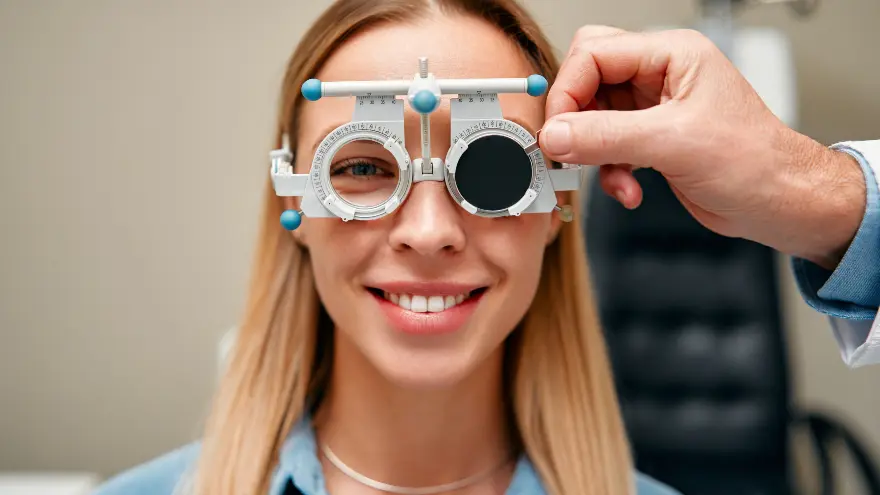
Why South Korea Is the Global Leader in Vision Correction
South Korea is widely recognized as the innovation hub for ophthalmology. The country’s medical market is highly competitive, forcing clinics to constantly upgrade their technology and refine their surgical techniques. This environment directly benefits the patient, ensuring you receive the most modern care possible.
Understanding Your Procedure Options
There is no "one size fits all" when it comes to your eyes. The best results come from choosing the specific technology that matches your lifestyle and ocular anatomy.
- Benefits: Minimal dry eye, incredibly fast recovery, and high corneal stability.
- SMILE Pro: The latest version that uses the VisuMax 800 laser, completing the procedure in roughly 10 seconds.
The Cost Advantage: Saving 30% Compared to Russia
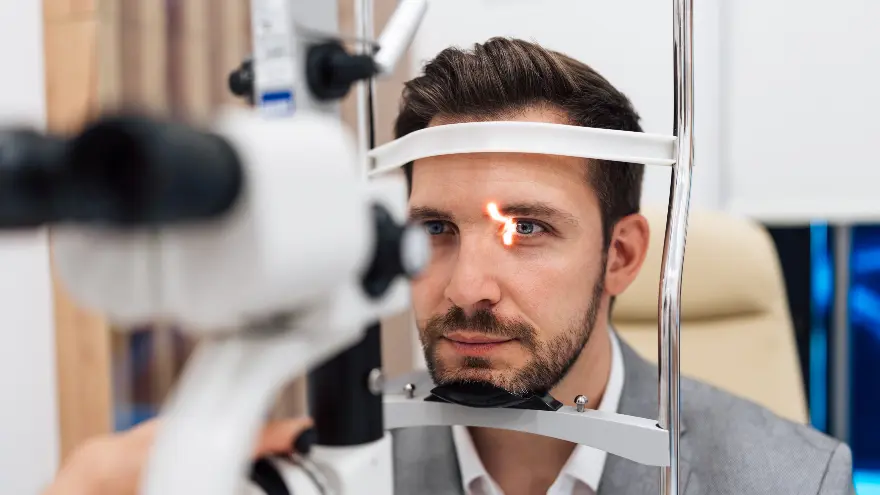
The primary reason patients travel from Russia to Korea is the value proposition. In Korea, medical efficiency is incredibly high. Because clinics treat a large number of patients, they can offer lower prices for the same—or better—technology. In Russia, premium clinics offering the latest German or American lasers often charge a significant premium due to the costs of importing and maintaining the equipment.
| Procedure Type | Average Cost in Russia (Premium) | Average Cost in South Korea | Estimated Savings |
|---|---|---|---|
| SMILE Pro | Higher / Limited Availability | Lowest Global Price | ~30% - 35% |
| Standard LASIK | Competitive | Most Affordable | ~25% |
| ICL (Lens Implant) | Very Expensive | Best Value / High Volume | ~30% |
| Pre-Op Screening | Often Extra | Included / 50+ Tests | Significant |
The 50-Point Eye Exam: Maximum Safety Standards
In South Korea, you do not just "get an eye exam." You undergo a rigorous 50-point diagnostic screening. This is the most critical part of the process. The goal is to ensure that you are a perfect candidate for Vision Correction.
- Corneal Mapping: High-resolution 3D images of your eye's surface.
- DNA Testing: Screening for Avellino Corneal Dystrophy, a rare condition that makes laser surgery dangerous.
- Tear Film Analysis: Checking for dry eye issues that could slow down healing.
- Retinal Scanning: Ensuring the back of your eye is healthy and stable.
Logistics for Patients from Russia and the CIS
Traveling to Seoul for surgery might seem daunting, but it is one of the most patient-friendly cities in the world. Leading clinics have dedicated International Healthcare Centers specifically for Russian speakers.
Professional Translators: You will be assigned a personal coordinator who speaks fluent Russian.
Risks and Safety Protocols
Every surgical procedure carries some risk, such as temporary dry eyes or halos at night. However, Korean clinics utilize "Black Box" technology to record the surgery and AI to minimize human error. Because they use the latest-generation lasers, the amount of energy applied to the eye is lower, which leads to faster healing and fewer side effects compared to older technology.
Frequently Asked Questions
1. Is Vision Correction Permanent?
Yes, for the vast majority of patients, the results of laser surgery or ICL are permanent. While your eyes can still change naturally as you age (such as developing presbyopia in your 40s or 50s), the correction made to your nearsightedness or astigmatism is a lifelong improvement.
2. How Do I Prepare For Surgery?
The most important step is to stop wearing contact lenses for a specific period (usually 1–2 weeks) before your 50-point exam. This allows your cornea to return to its natural shape, ensuring the diagnostic measurements are 100% accurate.
3. Can I Have Surgery If I Have A High Prescription?
Conclusion
More Articles
Continue reading our ophthalmology guides and vision care insights.

SMILE vs LASIK: Recovery Benchmarks for Vision Correction Care
South Korea has solidified its position as a global epicenter for ophthalmology, with the domestic LASIK and refractive surgery market projected to reach **USD 167.37 million by 2035**, growing at a steady CAGR of 8.54%.
Learn More

Prevalence of Myopia in Korea: The Value of Dream Lens Therapy
The prevalence of myopia among young people in South Korea has reached critical levels, often described as a "myopia epidemic." According to recent data from the **Korean National Health and Nutrition Examination Survey (KNHANES)**, the prevalence of myopia...
Learn More

Multidisciplinary Care: The Future of Korean Pediatric Eye Clinics
The landscape of pediatric eye care in South Korea is shifting rapidly. With nearly **21.9% of Korean children** estimated to be affected by various visual disorders according to nationwide health screenings, the demand for specialized intervention has never...
Learn More