Comprehensive Eye Care & Vision Correction in Incheon · Multilingual International Concierge
23+ Years Clinical Experience
en-US


Ophthalmology Guide
What is Macular Degeneration and How to Prevent Its Progression
Macular degeneration is an eye condition that affects central vision, often leading to blindness. Learn about its causes, symptoms, and effective prevention methods to protect your sight.
Schedule a ConsultationIntroduction
Macular degeneration, also known as age-related macular degeneration (AMD), is a leading cause of vision loss, particularly among older adults. This condition affects the macula, the central part of the retina responsible for sharp, central vision, which is essential for tasks like reading, driving, and recognizing faces.
What is Macular Degeneration?
Macular degeneration primarily affects the macula, a small, yet crucial part of the retina located at the back of the eye. The macula is responsible for your central vision, which enables you to see fine details like reading a book or driving. When the macula deteriorates, your central vision becomes blurry or distorted, leading to difficulties with activities that require sharp vision.
- Dry AMD (Atrophic Macular Degeneration): This is the most common form, accounting for about 90% of cases. Dry AMD is characterized by the gradual thinning and breakdown of the macula, causing slow but steady vision loss over time. While it’s less severe than the wet form, it still presents significant challenges.
- Wet AMD (Neovascular or Exudative Macular Degeneration): Though less common, wet AMD is more aggressive and can lead to rapid vision loss. It occurs when abnormal blood vessels grow beneath the retina, leaking fluid or blood that damages the macula. Wet AMD usually starts as dry AMD but can progress to its wet form.
What Are the Risk Factors for Macular Degeneration?
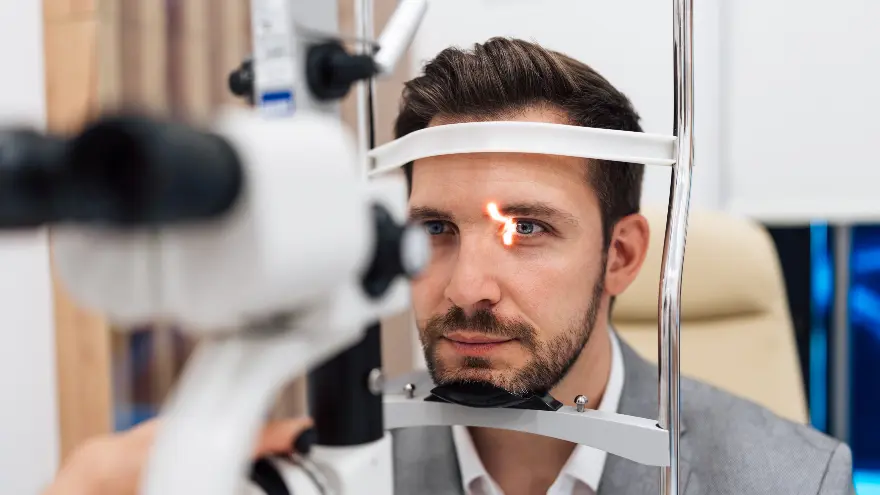
While macular degeneration primarily affects older adults, there are other factors that can increase your risk of developing this condition:
- Age: The risk of AMD increases significantly after the age of 50.
- Genetics: A family history of macular degeneration can make you more susceptible to the condition.
- Race: Caucasians are more likely to develop AMD than people of other races.
- Smoking: Smoking is one of the most significant modifiable risk factors for macular degeneration. Smokers are two to three times more likely to develop the condition.
- Obesity and Poor Diet: A poor diet rich in fats and low in nutrients can increase your risk, as can obesity.
- High Blood Pressure: Hypertension can contribute to the progression of macular degeneration, particularly wet AMD.
Early Signs and Symptoms of Macular Degeneration
In its early stages, macular degeneration may not cause noticeable symptoms, which is why regular eye exams are so crucial. As the disease progresses, you may notice the following:
- Blurred or Distorted Central Vision: Straight lines, such as door frames or the edge of a table, may appear wavy or crooked.
- Difficulty Seeing in Low Light: You may find it harder to see in dim lighting or notice reduced contrast sensitivity.
- Blank or Dark Spots in the Center of Your Vision: A common symptom is the presence of a blind spot in the middle of your vision, which can make reading or recognizing faces difficult.
How to Prevent the Progression of Macular Degeneration
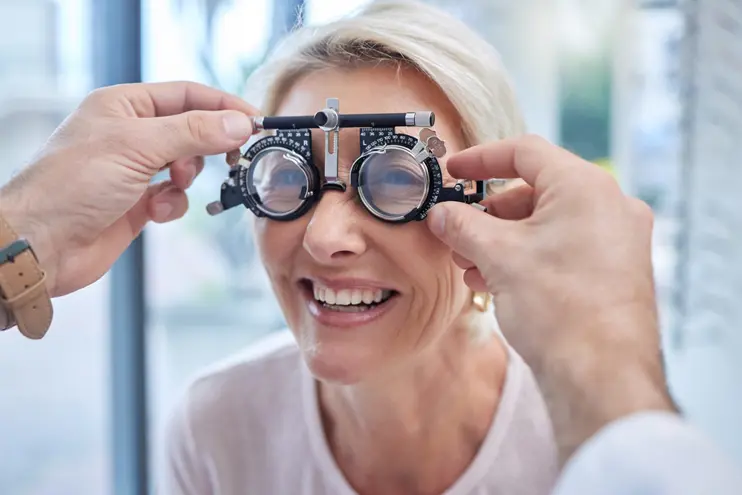
Although macular degeneration cannot be cured, there are several proactive steps you can take to manage the condition and prevent its progression. Here’s a look at the most effective strategies:
1. Regular Eye Exams
The first and most important step in managing macular degeneration is having regular eye exams with a qualified ophthalmologist. At Global Ubal Eye Center, we offer comprehensive eye exams, including advanced imaging technologies like Optical Coherence Tomography (OCT) and fundus photography. These tools allow us to detect early signs of macular degeneration and monitor its progression over time.
2. Maintain a Healthy Diet
Research shows that certain nutrients can help support eye health and reduce the risk of macular degeneration. These include:
- Lutein and Zeaxanthin: These antioxidants, found in leafy greens like spinach, kale, and collard greens, help filter harmful blue light and protect the macula.
- Omega-3 Fatty Acids: Found in fatty fish like salmon and sardines, omega-3s support retinal health and may reduce inflammation that contributes to macular degeneration.
- Vitamin C and E: These vitamins, which can be found in citrus fruits, nuts, and seeds, help neutralize free radicals that can damage the retina.
- Zinc: Zinc is crucial for maintaining retinal function and is found in foods like oysters, red meat, and beans.
Medical Treatments for Macular Degeneration
Conclusion
More Articles
Continue reading our ophthalmology guides and vision care insights.

SMILE vs LASIK: Recovery Benchmarks for Vision Correction Care
South Korea has solidified its position as a global epicenter for ophthalmology, with the domestic LASIK and refractive surgery market projected to reach **USD 167.37 million by 2035**, growing at a steady CAGR of 8.54%.
Learn More

Prevalence of Myopia in Korea: The Value of Dream Lens Therapy
The prevalence of myopia among young people in South Korea has reached critical levels, often described as a "myopia epidemic." According to recent data from the **Korean National Health and Nutrition Examination Survey (KNHANES)**, the prevalence of myopia...
Learn More

Multidisciplinary Care: The Future of Korean Pediatric Eye Clinics
The landscape of pediatric eye care in South Korea is shifting rapidly. With nearly **21.9% of Korean children** estimated to be affected by various visual disorders according to nationwide health screenings, the demand for specialized intervention has never...
Learn More