Comprehensive Eye Care & Vision Correction in Incheon · Multilingual International Concierge
23+ Years Clinical Experience
en-US

Ophthalmology Guide
What is Lens Implant Surgery and How It Improves Vision
Lens implant surgery replaces the eye's natural lens with a synthetic one, improving vision clarity and focus. Learn more about how this procedure can enhance your eyesight today!
Schedule a ConsultationIntroduction
Imagine waking up and instantly seeing the world with perfect clarity. No more struggling to read the fine print or squinting at distant road signs. This vision transformation is a reality for millions of people who undergo lens implant surgery, a revolutionary procedure that has been changing lives worldwide.
Understanding Lens Implant Surgery: A Revolutionary Solution
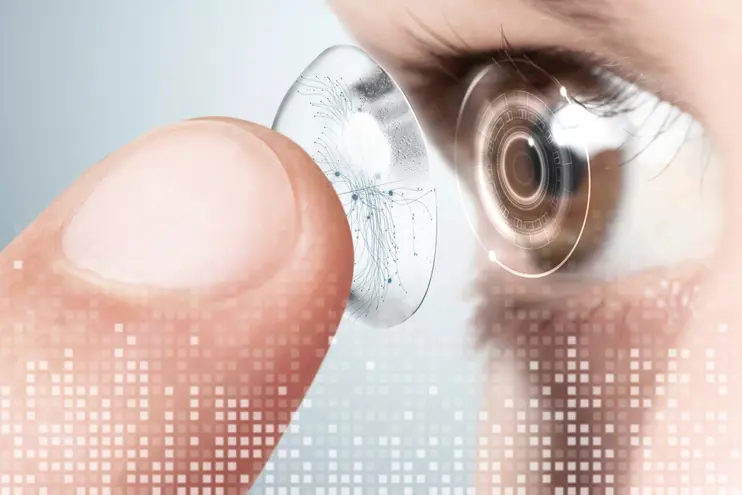
Lens implant surgery, also known as intraocular lens (IOL) implantation, is a procedure that replaces the eye’s natural lens with a synthetic one. This surgery is most commonly performed in conjunction with cataract surgery, where the cloudy, aging lens is removed and replaced with an artificial IOL.
How Lens Implant Surgery Works
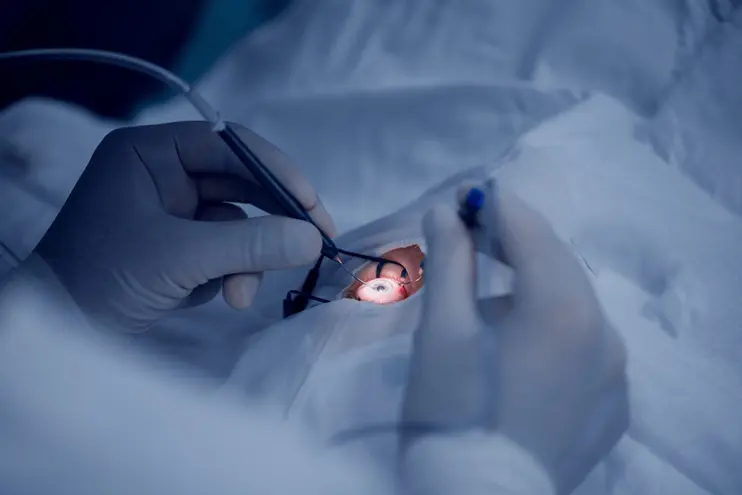
The process of lens implant surgery typically follows these key steps:
1. Pre-Surgery Consultation and Eye Examination
Before the surgery, a thorough eye exam is conducted to evaluate the health of your eyes, measure the curvature of your cornea, and determine the appropriate power for the IOL. This step is essential for ensuring that the implant matches your visual needs and will provide the best possible outcome.
2. Anesthesia and Sedation
The surgery is usually performed on an outpatient basis, meaning you can go home the same day. Local anesthesia is administered to numb the eye, ensuring that you won’t feel any pain during the procedure. In some cases, a mild sedative may be given to help you relax.
3. Making the Incision
The surgeon makes a small incision, typically no larger than 3 millimeters, on the edge of the cornea. This incision is so tiny that it usually does not require stitches to close afterward.
4. Removing the Cloudy or Damaged Lens
If the procedure is being done to treat cataracts, the cloudy natural lens is broken up using a method called phacoemulsification. High-frequency sound waves break the lens into small fragments, which are then suctioned out. For patients with refractive errors, the natural lens is removed without the need for phacoemulsification.
5. Inserting the Intraocular Lens (IOL)
After the natural lens is removed, the surgeon inserts the artificial intraocular lens. These lenses are typically made of clear acrylic or silicone and are folded before insertion. Once inside the eye, the lens unfolds and is positioned in the same location as the natural lens. The lens is designed to remain in place permanently without needing further adjustments.
6. Post-Surgery Care
Once the surgery is complete, patients typically experience only mild discomfort, which can be managed with prescribed eye drops. The recovery process is quick for most people, with many individuals resuming their normal activities within a few days. You’ll be scheduled for follow-up appointments to monitor the healing process and ensure that the eye is adjusting to the new lens.
Types of Lens Implants
There are several types of intraocular lenses available, each designed to address different vision needs. The choice of lens depends on various factors, such as the patient’s age, lifestyle, and specific vision problems. Some of the most common types of lens implants include:
1. Monofocal IOLs
Monofocal lenses are the most basic type of IOL, providing clear vision at a single focal length. Typically, these lenses are set for distance vision, meaning that patients can see clearly at a distance but may still need glasses for near tasks, such as reading or using a smartphone.
2. Multifocal IOLs
These lenses provide multiple focal points, allowing patients to see at various distances—near, intermediate, and far—without the need for glasses. Multifocal IOLs are ideal for patients who want to reduce or eliminate their dependence on reading glasses or prescription lenses for everyday activities.
3. Accommodating IOLs
Accommodating lenses are designed to mimic the natural focusing ability of the eye. These lenses can shift position inside the eye, allowing for clear vision at various distances. Accommodating lenses are particularly beneficial for people with presbyopia, the age-related loss of near vision.
4. Toric IOLs
Toric lenses are specially designed for patients with astigmatism. These lenses help to correct the irregular shape of the cornea, providing sharper and clearer vision. They can be used in combination with other IOLs, such as monofocal or multifocal lenses, to address both astigmatism and other refractive errors.
Who Can Benefit from Lens Implant Surgery?

The Benefits of Lens Implant Surgery
Conclusion: A New Chapter for Your Vision
More Articles
Continue reading our ophthalmology guides and vision care insights.

SMILE vs LASIK: Recovery Benchmarks for Vision Correction Care
South Korea has solidified its position as a global epicenter for ophthalmology, with the domestic LASIK and refractive surgery market projected to reach **USD 167.37 million by 2035**, growing at a steady CAGR of 8.54%.
Learn More

Prevalence of Myopia in Korea: The Value of Dream Lens Therapy
The prevalence of myopia among young people in South Korea has reached critical levels, often described as a "myopia epidemic." According to recent data from the **Korean National Health and Nutrition Examination Survey (KNHANES)**, the prevalence of myopia...
Learn More

Multidisciplinary Care: The Future of Korean Pediatric Eye Clinics
The landscape of pediatric eye care in South Korea is shifting rapidly. With nearly **21.9% of Korean children** estimated to be affected by various visual disorders according to nationwide health screenings, the demand for specialized intervention has never...
Learn More