Comprehensive Eye Care & Vision Correction in Incheon · Multilingual International Concierge
23+ Years Clinical Experience
en-US

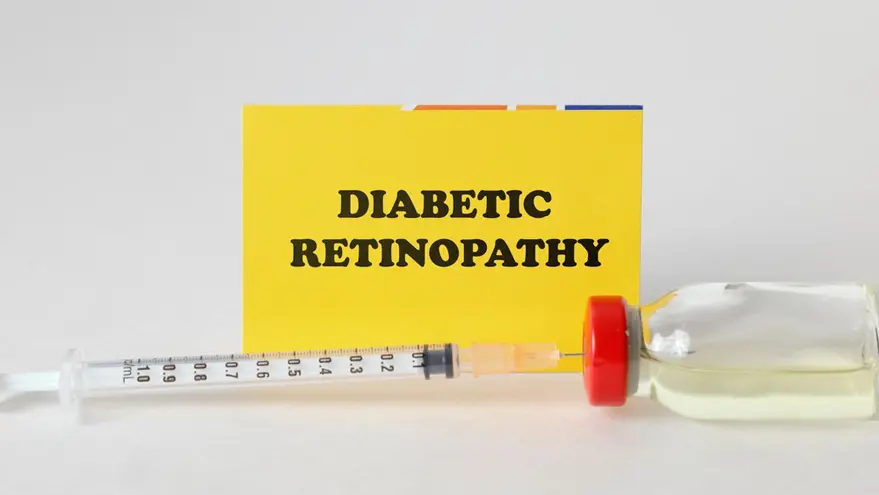
Ophthalmology Guide
What is Diabetic Retinopathy and How to Protect Your Eyes
Diabetic retinopathy is a diabetes complication affecting the eyes. Learn how to protect your vision and prevent eye damage. Book a consultation today!
Schedule a ConsultationIntroduction
Diabetic retinopathy is a serious eye condition that can develop in individuals with diabetes, potentially leading to vision loss if left untreated. As diabetes damages the blood vessels in the retina, the light-sensitive tissue at the back of the eye, it can disrupt vision and even cause blindness in severe cases.
What is Diabetic Retinopathy?
Diabetic retinopathy is a condition where high blood sugar levels cause damage to the blood vessels in the retina, the light-sensitive layer at the back of the eye. Over time, this damage leads to leakage of blood and fluid, which can distort vision. In severe cases, new, fragile blood vessels may form, leading to more bleeding and scarring in the retina, and ultimately, potential vision loss.
Why Does Diabetic Retinopathy Happen?
The key cause of diabetic retinopathy is long-term high blood sugar levels, which cause damage to the delicate blood vessels in the retina. In the early stages, blood vessels can swell or leak fluid. As the condition progresses, more significant changes occur:
- Early-stage diabetic retinopathy (Non-proliferative diabetic retinopathy or NPDR): At this stage, blood vessels in the retina begin to weaken, and tiny bulges called microaneurysms may form. These can leak blood or fluid, causing swelling and affecting vision.
- Moderate to severe NPDR: The blood vessels continue to deteriorate, leading to more leakage and causing areas of the retina to lose their blood supply, resulting in a more significant loss of vision.
- Proliferative diabetic retinopathy (PDR): In the most advanced stage, the retina starts to grow new blood vessels in response to poor oxygen supply. Unfortunately, these new blood vessels are weak and can rupture, leading to severe bleeding, scarring, and potentially detaching the retina.
Risk Factors for Diabetic Retinopathy
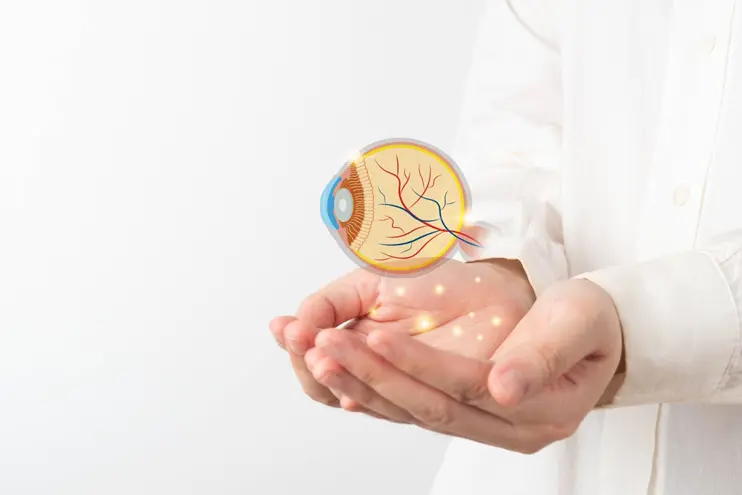
While anyone with diabetes is at risk of developing diabetic retinopathy, several factors can increase your likelihood of developing the condition or make it worse. These include:
Symptoms of Diabetic Retinopathy
In the early stages, diabetic retinopathy may not cause any noticeable symptoms. This is why regular eye exams are essential, especially for those with diabetes. As the condition progresses, the following symptoms may appear:
- Blurry or distorted vision
- Dark or empty spots in your field of vision
- Difficulty seeing at night
- Sudden loss of vision or flashes of light
- Seeing floaters or dark lines
How to Protect Your Eyes from Diabetic Retinopathy
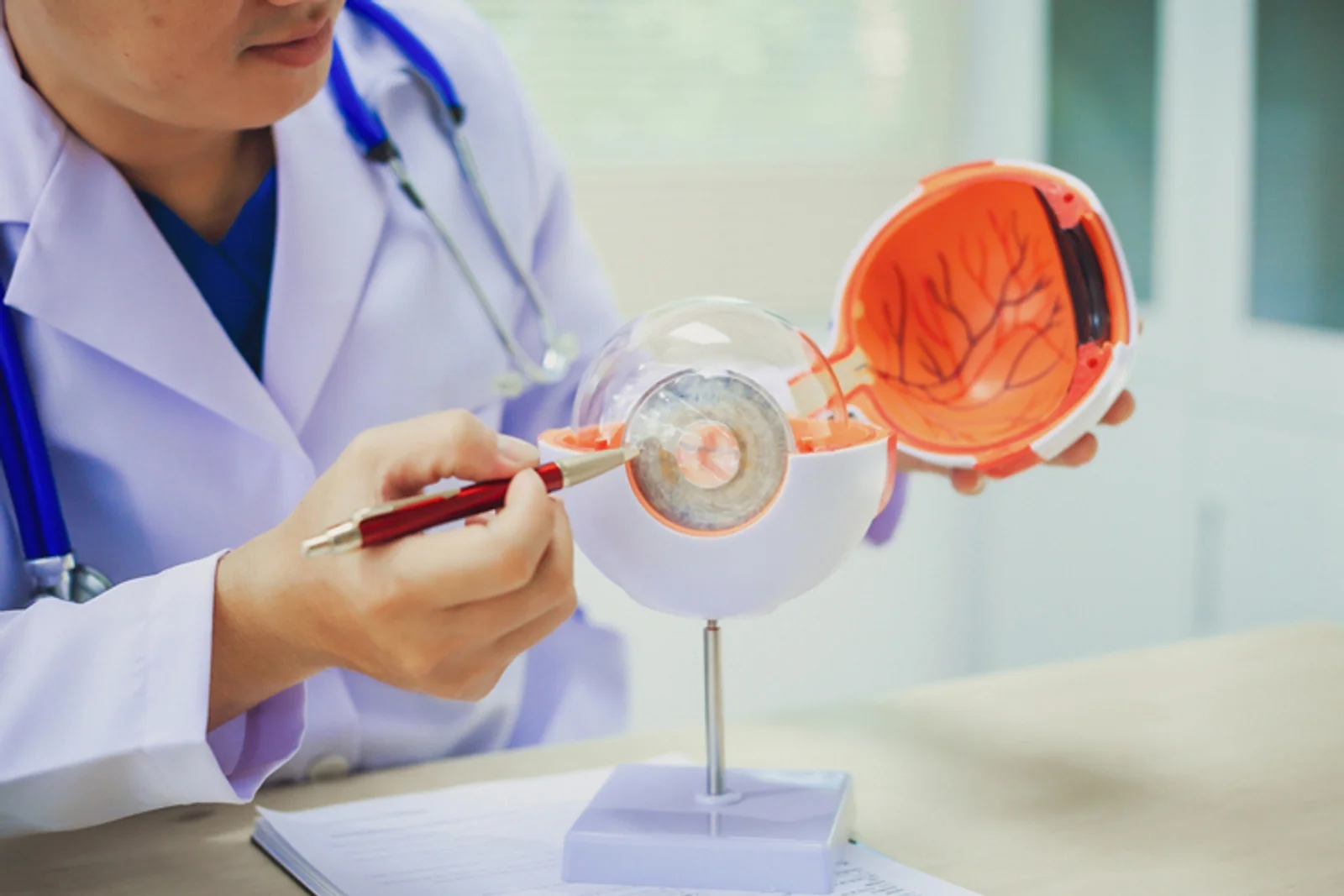
The best way to protect your eyes from diabetic retinopathy is through prevention, early detection, and proper treatment. If you have diabetes, here’s what you can do to safeguard your vision:
1. Maintain Healthy Blood Sugar Levels
The most effective way to prevent diabetic retinopathy is to keep your blood sugar levels within a healthy range. This requires consistent monitoring and management of your blood glucose, whether through lifestyle changes, diet, medication, or insulin therapy. Your healthcare team can help you determine your target blood sugar range and give you the tools to stay on track.
2. Monitor Blood Pressure and Cholesterol
High blood pressure and elevated cholesterol levels are significant risk factors for diabetic retinopathy. Controlling these factors can significantly reduce the risk of vision complications. Regular checkups with your doctor to monitor these levels are important. If necessary, medications or lifestyle adjustments can help manage blood pressure and cholesterol.
3. Get Regular Eye Exams
If you have diabetes, annual eye exams with an ophthalmologist are essential, even if you don’t have any symptoms. Diabetic retinopathy can develop without noticeable signs, and early detection is key to preventing severe vision loss. During an eye exam, your doctor may dilate your pupils to get a clear view of the retina and check for any changes.
4. Quit Smoking
Smoking exacerbates the damage caused by diabetes, contributing to blood vessel damage in the retina and other parts of the body. Quitting smoking can help improve circulation and protect the health of your eyes. If you need help quitting, talk to your healthcare provider for resources and support.
How Global Ubal Eye Center Can Help
Conclusion
More Articles
Continue reading our ophthalmology guides and vision care insights.

SMILE vs LASIK: Recovery Benchmarks for Vision Correction Care
South Korea has solidified its position as a global epicenter for ophthalmology, with the domestic LASIK and refractive surgery market projected to reach **USD 167.37 million by 2035**, growing at a steady CAGR of 8.54%.
Learn More

Prevalence of Myopia in Korea: The Value of Dream Lens Therapy
The prevalence of myopia among young people in South Korea has reached critical levels, often described as a "myopia epidemic." According to recent data from the **Korean National Health and Nutrition Examination Survey (KNHANES)**, the prevalence of myopia...
Learn More

Multidisciplinary Care: The Future of Korean Pediatric Eye Clinics
The landscape of pediatric eye care in South Korea is shifting rapidly. With nearly **21.9% of Korean children** estimated to be affected by various visual disorders according to nationwide health screenings, the demand for specialized intervention has never...
Learn More