Comprehensive Eye Care & Vision Correction in Incheon · Multilingual International Concierge
23+ Years Clinical Experience
en-US

Ophthalmology Guide
What Is Conjunctival Eversion (Conjunctivochalasis)?
Conjunctival eversion (conjunctivochalasis) causes loose folds of eye tissue and dry-eye-like symptoms. Learn the signs and stepwise treatment options.
Schedule a ConsultationWhat Is Conjunctival Eversion (Conjunctivochalasis) and How Is It Treated?
Medically reviewed by Dr. Yun Cheol Park, Korean Board-Certified Ophthalmologist, Global Ubal Eye Center
Understanding the Conjunctiva and What "Eversion" Means
The conjunctiva is a mucous membrane. The portion that covers the white of the eye is called the bulbar conjunctiva, and the portion that lines the inner surface of the eyelids is called the palpebral conjunctiva. In a healthy eye, the bulbar conjunctiva is smooth and moves with the eye without bunching up.
Why Conjunctival Eversion Happens
Conjunctivochalasis is understood to relate to changes in the connective tissue of the conjunctiva over time. The membrane's elastic and supporting fibers can weaken, allowing the tissue to become loose and redundant. Age-related changes are a recognized contributor, which is why the condition is seen more often as people get older.
Recognizing the Symptoms
The symptoms of conjunctival eversion are variable. Some people have visible folds on examination but few complaints, while others are quite bothered. Commonly reported symptoms include:
- A gritty or foreign-body sensation, as if something is in the eye
- Dryness and general irritation of the eye's surface
- Excess tearing or watery eyes, which can seem paradoxical given the sense of dryness
- Redness or a feeling of discomfort that comes and goes
- Symptoms that worsen with activities such as reading, screen use, or being in dry or windy environments
How Conjunctival Eversion Affects the Tear Film
To understand why conjunctivochalasis causes discomfort, it helps to consider the tear film. The tear film is a thin, structured layer of fluid that coats the front of the eye. It keeps the surface smooth, provides a clear optical surface for vision, delivers oxygen and nutrients, and washes away debris. A stable, evenly spread tear film is essential for comfortable eyes.
How the Condition Is Diagnosed
Conjunctival eversion is identified through an eye examination performed by an eye care professional. Because the symptoms overlap so heavily with dry eye and other ocular surface conditions, a careful examination is what distinguishes conjunctivochalasis from its mimics. This is a key reason that self-diagnosis is unreliable and why this article should not be used as a self-diagnosis tool.
Stepwise Management: From Conservative Care to Surgery
Management of conjunctivochalasis is generally approached in a stepwise manner. The idea is to begin with the least invasive measures and to escalate only if symptoms remain bothersome and clearly attributable to the redundant conjunctiva. The right step for any individual depends on how severe the symptoms are, how much the folds interfere with the eye's surface, and what an examination reveals.
Step 1: Lubrication and Medical Management
The first line of management is usually conservative and centers on supporting the ocular surface. Lubricating eye drops (artificial tears) and other lubricants can help stabilize the tear film, relieve the sensation of dryness and grittiness, and reduce day-to-day irritation. Because dryness and surface inflammation so often accompany conjunctivochalasis, addressing them directly can meaningfully improve comfort.
Step 2: Surgical Options for Persistent Symptoms
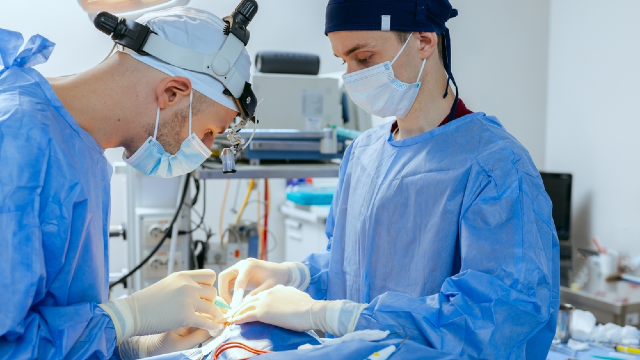
When symptoms persist despite conservative care and are clearly caused by the redundant conjunctiva, surgical treatment may be considered. The general aim of surgery is to remove or reduce the excess, loose conjunctival tissue so that the membrane once again lies flat against the eye, restoring a smoother surface and a more stable tear film.
Setting Realistic Expectations
As with any medical condition, outcomes vary from person to person. Conservative measures manage symptoms rather than eliminate the redundant tissue, and they often need to be continued over time.
When to See an Eye Doctor
Because the symptoms of conjunctival eversion overlap so much with other common eye conditions, persistent eye discomfort is worth having evaluated rather than self-managed indefinitely. Ongoing dryness, irritation, a foreign-body sensation, unexplained watering, or redness that does not resolve are all reasons to arrange a professional eye examination.
The Bottom Line
- Conjunctival eversion (conjunctivochalasis) is a condition in which redundant, loose folds of the bulbar conjunctiva — most often along the lower lid — no longer lie flat against the eye.
- The redundant folds disrupt the tear film, producing dry-eye-like symptoms such as grittiness, irritation, dryness, and paradoxical tearing that overlap heavily with dry eye disease.
- Diagnosis requires an eye examination; the strong symptom overlap with dry eye means this condition cannot be reliably self-diagnosed.
- Management is stepwise: it typically begins with lubrication and medical care and progresses to surgical recession or thermal reduction (including radiofrequency techniques) when symptoms persist and are clearly caused by the redundant tissue.
- Outcomes vary and treatment is individualized; decisions about surgery are made with an eye surgeon after a thorough examination.
More Articles
Continue reading our ophthalmology guides and vision care insights.

SMILE vs LASIK: Recovery Benchmarks for Vision Correction Care
South Korea has solidified its position as a global epicenter for ophthalmology, with the domestic LASIK and refractive surgery market projected to reach **USD 167.37 million by 2035**, growing at a steady CAGR of 8.54%.
Learn More

Prevalence of Myopia in Korea: The Value of Dream Lens Therapy
The prevalence of myopia among young people in South Korea has reached critical levels, often described as a "myopia epidemic." According to recent data from the **Korean National Health and Nutrition Examination Survey (KNHANES)**, the prevalence of myopia...
Learn More

Multidisciplinary Care: The Future of Korean Pediatric Eye Clinics
The landscape of pediatric eye care in South Korea is shifting rapidly. With nearly **21.9% of Korean children** estimated to be affected by various visual disorders according to nationwide health screenings, the demand for specialized intervention has never...
Learn More