Comprehensive Eye Care & Vision Correction in Incheon · Multilingual International Concierge
23+ Years Clinical Experience
en-US


Ophthalmology Guide
What Is All-Laser LASIK and How It Differs from Traditional LASIK
All-Laser LASIK uses advanced femtosecond laser technology for a bladeless, precise procedure. Discover how it differs from traditional LASIK—learn more now!
Schedule a ConsultationIntroduction
If you’ve been researching LASIK eye surgery, you’ve likely come across terms like “All-Laser LASIK” or “bladeless LASIK.” And if you’re confused by the differences, you’re not alone.
What Is All-Laser LASIK and How It Differs from Traditional LASIK
If you’ve been researching LASIK eye surgery, you’ve likely come across terms like “All-Laser LASIK” or “bladeless LASIK.” And if you’re confused by the differences, you’re not alone.
First, What Exactly Is LASIK?
LASIK — short for Laser-Assisted in Situ Keratomileusis — is one of the most commonly performed vision correction surgeries in the world. But despite its popularity, many patients still feel uncertain about what it really involves.
Traditional LASIK: A Mechanical Approach
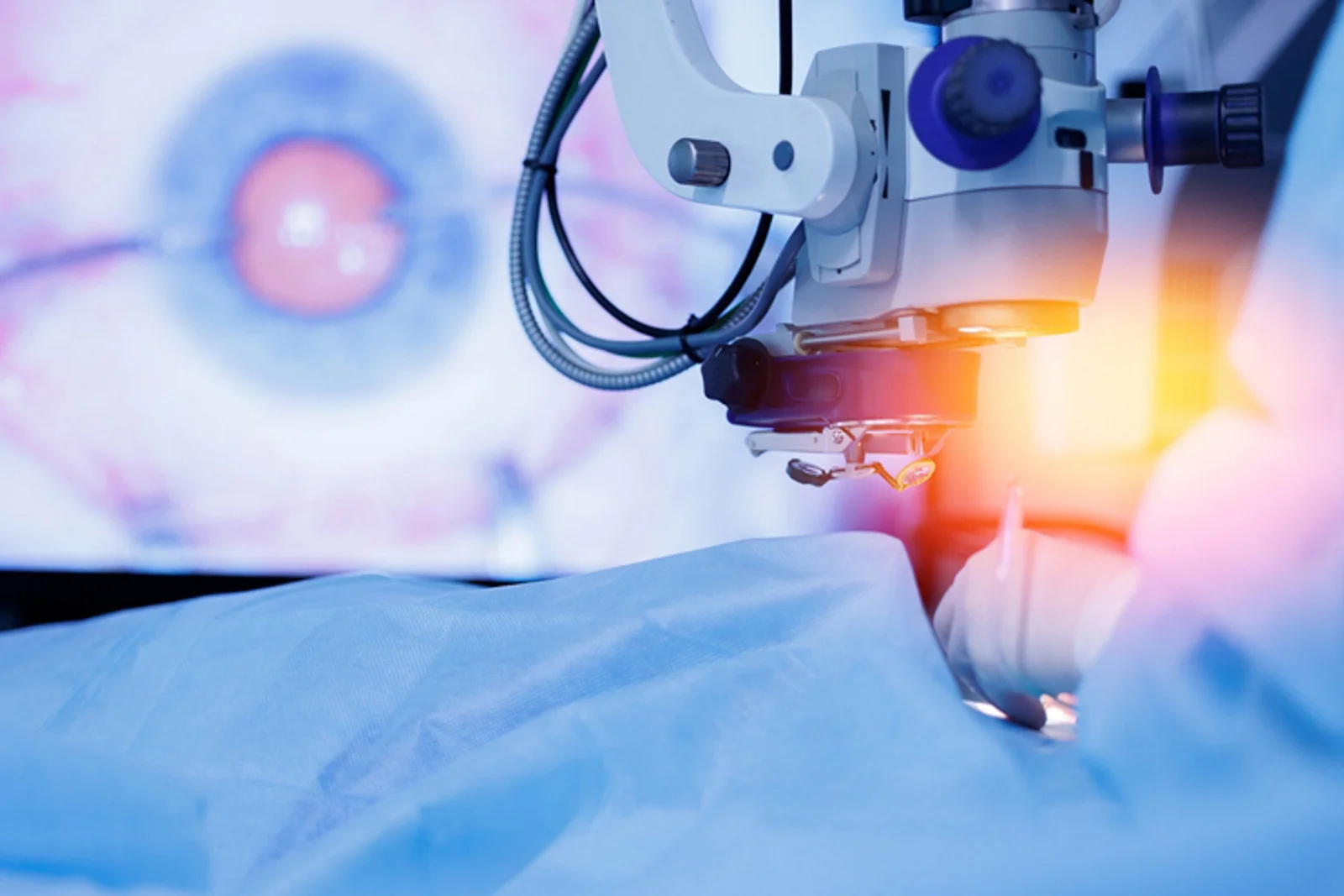
In traditional LASIK, the surgeon uses a small instrument called a microkeratome — essentially a tiny oscillating blade — to create the corneal flap. It’s a tried-and-true method, and it has been around for decades. Many excellent outcomes have come from this technique.
All-Laser LASIK: Blade-Free, Ultra-Precise
In All-Laser LASIK (sometimes called Bladeless LASIK or Femto-LASIK), both steps of the procedure are performed using lasers. Instead of a microkeratome blade, we use a femtosecond laser to create the flap. This type of laser works at incredibly high speeds, creating microscopic bubbles within the cornea to gently separate the tissue layers.
- Customization: The femtosecond laser allows us to create flaps of specific depth, shape, and hinge location — tailored to your unique eye.
- Safety: There’s no blade involved, reducing the risk of certain flap-related complications.
- Comfort and Recovery: Patients often report less dryness and faster recovery after All-Laser LASIK, likely due to the more uniform flap.
What Does That Mean for You as a Patient?
To be honest, it’s not always about just having the latest technology. What matters is how we apply that technology to fit your individual eye health. Some patients are excellent candidates for traditional LASIK, especially if they have thick, healthy corneas and stable vision. Others — such as those with dry eyes, thin corneas, or higher prescriptions — benefit significantly from the precision of All-Laser LASIK.
Is All-Laser LASIK More Expensive?

Often, yes. The equipment and technology used in All-Laser LASIK are more advanced, and that is reflected in the cost. But for many patients, it’s a worthwhile investment — not just in better outcomes, but also in long-term peace of mind.
Which One Should You Choose?
That depends on your individual eye anatomy, lifestyle, and goals.
- Has a high or irregular prescription
- Experiences chronic dry eye
- Has concerns about safety or complications
- Works in a field that demands quick recovery and visual accuracy (like pilots, athletes, or surgeons)
What Our Clinic Has Learned After 23+ Years
At Global Ubal Eye Center, we’ve performed vision correction for thousands of patients from South Korea and abroad — and here’s something most people don’t realize:
Conclusion
Vision correction isn’t just a one-size-fits-all decision. Whether you choose traditional LASIK or All-Laser LASIK, the real difference often lies not in the technology, but in the hands guiding it — and the care you receive before, during, and after your surgery.
More Articles
Continue reading our ophthalmology guides and vision care insights.

SMILE vs LASIK: Recovery Benchmarks for Vision Correction Care
South Korea has solidified its position as a global epicenter for ophthalmology, with the domestic LASIK and refractive surgery market projected to reach **USD 167.37 million by 2035**, growing at a steady CAGR of 8.54%.
Learn More

Prevalence of Myopia in Korea: The Value of Dream Lens Therapy
The prevalence of myopia among young people in South Korea has reached critical levels, often described as a "myopia epidemic." According to recent data from the **Korean National Health and Nutrition Examination Survey (KNHANES)**, the prevalence of myopia...
Learn More

Multidisciplinary Care: The Future of Korean Pediatric Eye Clinics
The landscape of pediatric eye care in South Korea is shifting rapidly. With nearly **21.9% of Korean children** estimated to be affected by various visual disorders according to nationwide health screenings, the demand for specialized intervention has never...
Learn More