Comprehensive Eye Care & Vision Correction in Incheon · Multilingual International Concierge
23+ Years Clinical Experience
en-US


Ophthalmology Guide
What Causes Sudden Vision Loss? Key Conditions to Rule Out
Discover what causes sudden vision loss, from retinal detachment to stroke. Learn the key conditions to rule out and when to seek urgent care.
Schedule a ConsultationIntroduction
Sudden vision loss is one of the most alarming symptoms anyone can experience. One moment, your vision may seem fine — and the next, it’s blurred, dimmed, or even completely gone. At Global Ubal Eye Center, we’ve seen how disorienting and frightening this experience can be for patients. The truth is, any abrupt change in vision should be treated as a medical emergency.
Retinal Detachment: A Curtain Over the Eye
Retinal detachment is one of the most urgent conditions behind sudden vision changes. The retina — a thin, light-sensitive tissue lining the back of the eye — can peel away from its underlying support layer. This detachment cuts off its blood supply, starving it of nutrients.
Retinal Vascular Occlusions: Strokes of the Eye
Much like the brain, the retina depends on a delicate network of blood vessels. When one of these vessels becomes blocked, the result is a retinal vascular occlusion.
- Central Retinal Artery Occlusion (CRAO) is essentially a stroke in the eye. It causes sudden, painless, severe vision loss in one eye. The retina, deprived of oxygen, begins to die within minutes. This is why CRAO is treated as a true emergency. It is often linked to emboli from the carotid artery or heart, which means the underlying systemic health risk is just as critical as the vision itself.
- Central Retinal Vein Occlusion (CRVO), while not quite as sudden or severe, can still lead to significant vision problems. CRVO is often linked to systemic conditions like hypertension, diabetes, and high cholesterol. Swelling, hemorrhages, and damage to the retina can result. In some cases, macular edema follows, leading to central vision distortion.
Acute Angle-Closure Glaucoma: Painful Pressure Buups
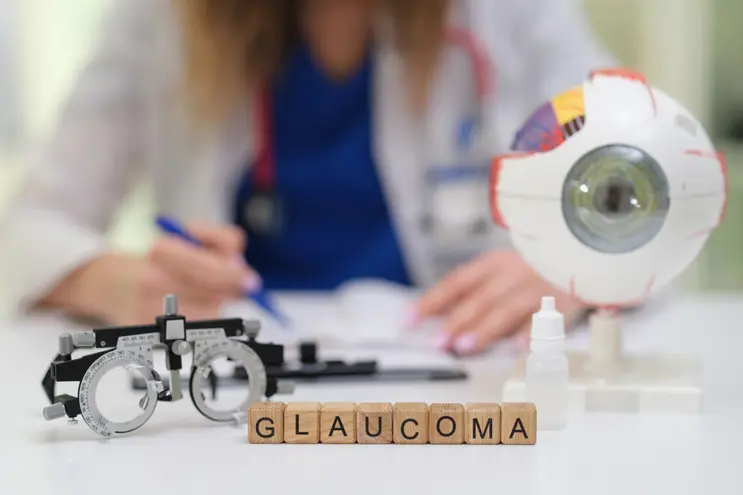
Unlike many causes of sudden vision loss, acute angle-closure glaucoma is painful. Very painful.
Optic Neuropathy: When the Nerve is the Problem
The optic nerve transmits visual signals from the eye to the brain. When it becomes inflamed or its blood supply is disrupted, vision suffers.
Giant Cell Arteritis: Inflammation That Steals Sight
Also known as temporal arteritis, this condition affects older adults — typically over age 50. It’s a form of blood vessel inflammation that can block circulation to the eye.
Inflammatory or Infectious Conditions: Red, Painful, and Blurry

Sudden vision changes are not always vascular or neurological — they can stem from inflammation or infection.
- Uveitis involves inflammation inside the eye. It’s often painful and light-sensitive. It can be related to autoimmune diseases, infections, or occur idiopathically. Untreated, it can cause permanent scarring and glaucoma.
- Keratitis, or corneal infection, can cause redness, discharge, and sharp pain. Contact lens wearers are especially vulnerable. Some bacterial infections can destroy the cornea within 24–48 hours.
- Hyphema, bleeding in the front of the eye (often from trauma), can suddenly obscure vision.
Trauma: Blunt or Penetrating Injuries
Direct injury to the eye — whether from sports, accidents, or workplace hazards — can cause sudden vision loss through a variety of mechanisms:
- Corneal abrasions or lacerations
- Retinal tears or hemorrhage
- Lens dislocation
- Optic nerve injury
Neurological Causes: When the Brain Is to Blame
Sometimes the eyes are functioning properly, but the brain’s visual processing centers are compromised.
- Strokes affecting the occipital lobe or visual pathways can cause sudden, sometimes unnoticed, visual field loss. Patients may retain central vision but lose half of their peripheral field.
- Brain tumors or pituitary apoplexy can compress the optic chiasm, leading to progressive or sudden vision changes.
Transient Vision Loss: TIAs and Ocular Migraines
Not all vision loss is permanent. Some patients experience transient episodes lasting minutes to hours:
- Transient Ischemic Attacks (TIAs) may cause brief, painless, one-sided vision dimming — a warning sign of stroke.
- Ocular migraines can cause shimmering lights, zig-zag patterns, or temporary blind spots — usually followed by headache.
When to Seek Help
At Global Ubal Eye Center, we always say: If you suddenly lose vision in one or both eyes — even briefly — get evaluated immediately. Painless does not mean harmless. And time is critical.
Final Thoughts: Trust What Your Eyes Tell You
Vision loss is never normal. Whether the cause is a retinal detachment, a blocked vessel, a neurological event, or a flare-up of inflammation — the eyes are sounding an alarm. The sooner you respond, the better your chance of preserving vision.
More Articles
Continue reading our ophthalmology guides and vision care insights.

SMILE vs LASIK: Recovery Benchmarks for Vision Correction Care
South Korea has solidified its position as a global epicenter for ophthalmology, with the domestic LASIK and refractive surgery market projected to reach **USD 167.37 million by 2035**, growing at a steady CAGR of 8.54%.
Learn More

Prevalence of Myopia in Korea: The Value of Dream Lens Therapy
The prevalence of myopia among young people in South Korea has reached critical levels, often described as a "myopia epidemic." According to recent data from the **Korean National Health and Nutrition Examination Survey (KNHANES)**, the prevalence of myopia...
Learn More

Multidisciplinary Care: The Future of Korean Pediatric Eye Clinics
The landscape of pediatric eye care in South Korea is shifting rapidly. With nearly **21.9% of Korean children** estimated to be affected by various visual disorders according to nationwide health screenings, the demand for specialized intervention has never...
Learn More