Comprehensive Eye Care & Vision Correction in Incheon · Multilingual International Concierge
23+ Years Clinical Experience
en-US

Ophthalmology Guide
What Causes Glaucoma and How to Treat It Effectively
Glaucoma is often caused by increased eye pressure that damages the optic nerve. Learn about its causes, symptoms, and effective treatments to manage the condition.
Schedule a ConsultationIntroduction: Understanding Glaucoma and Its Impact on Vision
Imagine waking up one morning, only to realize that your peripheral vision has slowly started to fade — like a curtain being drawn over your eyes. The frightening truth is that this scenario is a reality for many people living with glaucoma, a condition that silently steals vision without warning.
What Is Glaucoma?
At its core, glaucoma refers to a group of eye diseases that damage the optic nerve, often due to elevated pressure inside the eye, called intraocular pressure (IOP). This pressure can gradually impair the optic nerve, leading to vision loss and, in the most severe cases, blindness.
What Causes Glaucoma?
The precise cause of glaucoma is not entirely understood, but several factors contribute to the risk of developing this condition. While the causes can vary between individuals, the following are some of the most common:
1. Increased Intraocular Pressure (IOP)
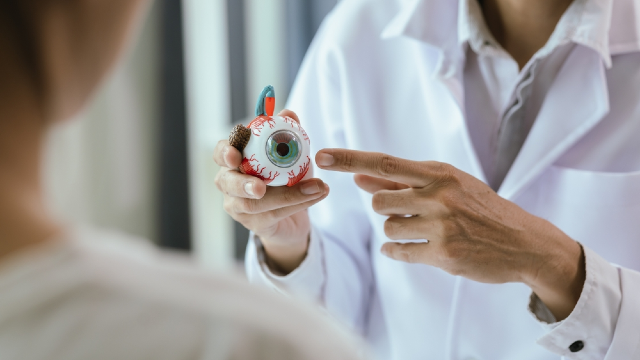
The main factor in glaucoma is elevated IOP, but why this occurs is still under investigation. Normally, the eye produces a fluid called aqueous humor, which nourishes the eye and helps maintain its shape. This fluid drains through a channel called the trabecular meshwork. If the drainage is impaired or blocked, fluid builds up, increasing the pressure inside the eye.
2. Age
As we age, the risk of developing glaucoma increases. This is particularly true after the age of 60, with the risk doubling every decade after this point. Many people don’t realize that the gradual nature of glaucoma’s onset means it can go unnoticed for years.
3. Family History
Genetics plays a significant role in glaucoma. If you have a family member with glaucoma, your risk of developing it increases. This suggests that inherited traits can influence how your eye produces and drains fluid.
4. Ethnicity
Some ethnic groups are at higher risk of glaucoma. For instance, people of African, Hispanic, and Asian descent are more likely to develop certain types of glaucoma, such as open-angle glaucoma and angle-closure glaucoma, respectively.
5. Other Eye Conditions
Several eye conditions can contribute to the development of glaucoma. For example, people with conditions such as cataracts, diabetic retinopathy, or myopia (nearsightedness) may be at a higher risk. Additionally, a history of eye injuries or surgery can lead to increased vulnerability.
6. Medical Conditions
Other health issues, including high blood pressure, heart disease, diabetes, and conditions that affect blood circulation, can contribute to glaucoma. In some cases, medications such as steroids have been known to increase the risk.
7. Thin Corneas
The thickness of your cornea (the transparent front part of your eye) can influence your risk. People with thinner corneas may have a higher risk of developing glaucoma, particularly the more common form, open-angle glaucoma.
How to Detect Glaucoma Early
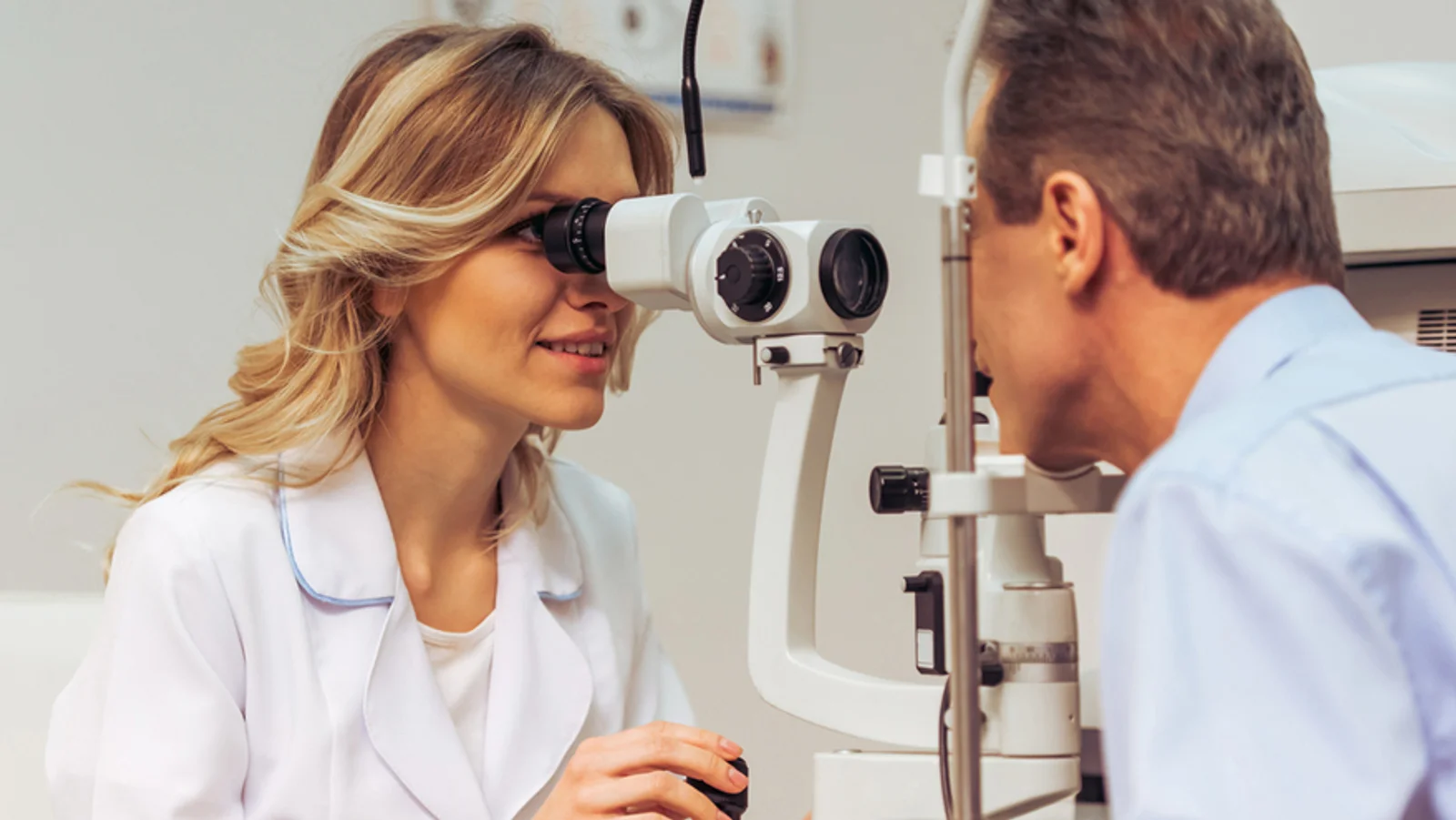
Glaucoma is often asymptomatic in its early stages. People don’t typically experience noticeable changes in vision until significant damage has occurred. This is why regular eye exams are critical — especially if you are at risk.
- Tonometry: To measure the intraocular pressure (IOP) inside the eye.
- Optic Nerve Evaluation: To check for any signs of damage or thinning.
- Perimetry: To assess your field of vision and detect any loss of peripheral vision.
- Gonioscopy: To examine the drainage angle of the eye.
Effective Treatments for Glaucoma
The goal of glaucoma treatment is to reduce intraocular pressure (IOP) to prevent further damage to the optic nerve. While glaucoma cannot be cured, effective treatments can help manage it and preserve vision. Depending on the type and severity of glaucoma, treatment options include medication, laser treatments, and surgery.
1. Medications (Eye Drops and Oral Medication)
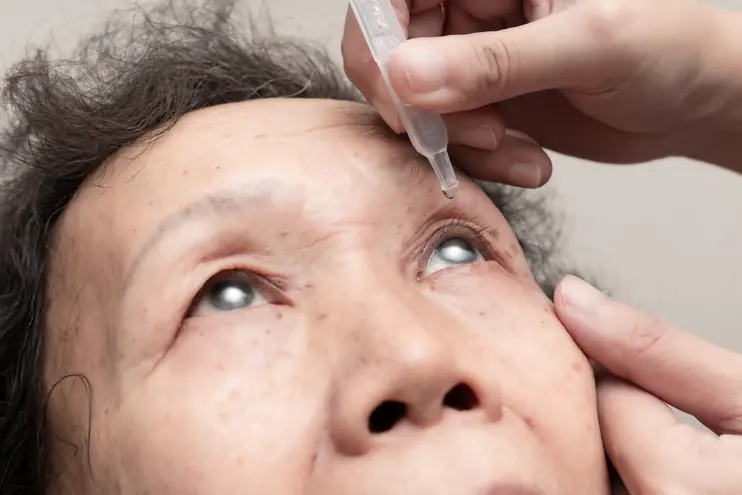
The most common treatment for glaucoma involves prescription eye drops, which work by either reducing the production of fluid in the eye or improving the drainage of the fluid to lower IOP. There are several types of eye drops, including:
How to Prevent Glaucoma Progression
Conclusion
More Articles
Continue reading our ophthalmology guides and vision care insights.

SMILE vs LASIK: Recovery Benchmarks for Vision Correction Care
South Korea has solidified its position as a global epicenter for ophthalmology, with the domestic LASIK and refractive surgery market projected to reach **USD 167.37 million by 2035**, growing at a steady CAGR of 8.54%.
Learn More

Prevalence of Myopia in Korea: The Value of Dream Lens Therapy
The prevalence of myopia among young people in South Korea has reached critical levels, often described as a "myopia epidemic." According to recent data from the **Korean National Health and Nutrition Examination Survey (KNHANES)**, the prevalence of myopia...
Learn More

Multidisciplinary Care: The Future of Korean Pediatric Eye Clinics
The landscape of pediatric eye care in South Korea is shifting rapidly. With nearly **21.9% of Korean children** estimated to be affected by various visual disorders according to nationwide health screenings, the demand for specialized intervention has never...
Learn More