Comprehensive Eye Care & Vision Correction in Incheon · Multilingual International Concierge
23+ Years Clinical Experience
en-US


Ophthalmology Guide
What Causes Dry Eye Syndrome and How to Treat It
Dry eye syndrome happens when your eyes don’t produce enough tears or quality moisture. Learn causes, symptoms, and treatments for lasting relief.
Schedule a ConsultationIntroduction
Our eyes are extraordinary organs — delicate yet resilient, working tirelessly from morning until night. They allow us to navigate the busy streets of Incheon, read books with loved ones, or watch the glowing skyline over the West Sea. But when something as subtle as dryness sets in, these everyday joys suddenly feel disrupted.
What Exactly Is Dry Eye Syndrome?
Dry eye occurs when the eyes either don’t produce enough tears or when the tears evaporate too quickly. Tears are far more complex than most people think. They are made up of three layers:
- The aqueous layer (water): Provides hydration and nutrients.
- The lipid layer (oil): Secreted by the meibomian glands in the eyelids, this slows evaporation.
- The mucin layer (mucus): Ensures tears spread evenly across the eye’s surface.
Common Causes of Dry Eye

1. Aging and Hormonal Changes
It’s no coincidence that dry eye becomes more common with age. As we grow older, our tear glands naturally become less productive. Women, particularly after menopause, are especially affected because hormonal changes alter the oil and water production needed for balanced tears.
2. Digital Device Use
In today’s modern society, especially here in South Korea, people spend hours glued to screens — from smartphones to dual monitors. Research shows that we blink up to 50% less often when looking at screens. Fewer blinks mean less spreading of protective oils across the eye, leading to quicker evaporation.
3. Environmental Factors
Urban living comes with its own challenges. Air conditioning, heating, and fine dust pollution — all common in Incheon — exacerbate dryness. Even lifestyle factors, like riding public transportation with constant airflow, or sitting under ceiling fans at home, can worsen irritation.
4. Medical Conditions and Medications
Certain systemic diseases, such as Sjögren’s syndrome, rheumatoid arthritis, lupus, and diabetes, significantly reduce tear production. Medications are another overlooked culprit. Antihistamines for allergies, antidepressants, beta-blockers for blood pressure, and even some acne treatments can all contribute to dryness.
5. Eye Surgeries
Procedures like LASIK, LASEK, or cataract surgery may temporarily affect corneal sensitivity, reducing the reflex to produce tears. While this is usually short-term, patients with pre-existing dry eye are more vulnerable. At our clinic, we always assess tear quality before surgery and provide preventive care afterward.
Symptoms Patients Shouldn’t Ignore
Dry eye symptoms can range from mild irritation to significant disruption of daily life. Some of the most common complaints we hear include:
- A burning, stinging, or scratchy sensation.
- Feeling like something is “in the eye” even when it’s not.
- Blurred or fluctuating vision that improves after blinking.
- Sensitivity to light, especially outdoors.
- Excessive tearing (yes, watery eyes can also be a sign of dry eye because the eye overcompensates for dryness with poor-quality tears).
How Dry Eye Is Diagnosed
At Global Ubal Eye Center, we believe that diagnosing dry eye isn’t just about checking for redness or listening to symptoms. We use specialized diagnostic tools to understand the tear film in detail:
- Tear film break-up time (TBUT): Measures how quickly tears evaporate.
- Meibomian gland imaging: Provides a clear picture of the oil-secreting glands along the eyelids.
- Ocular surface staining: Identifies microscopic damage to the eye’s surface.
- Tear osmolarity testing: Detects salt concentration, which rises in unstable tears.
Effective Treatments for Dry Eye
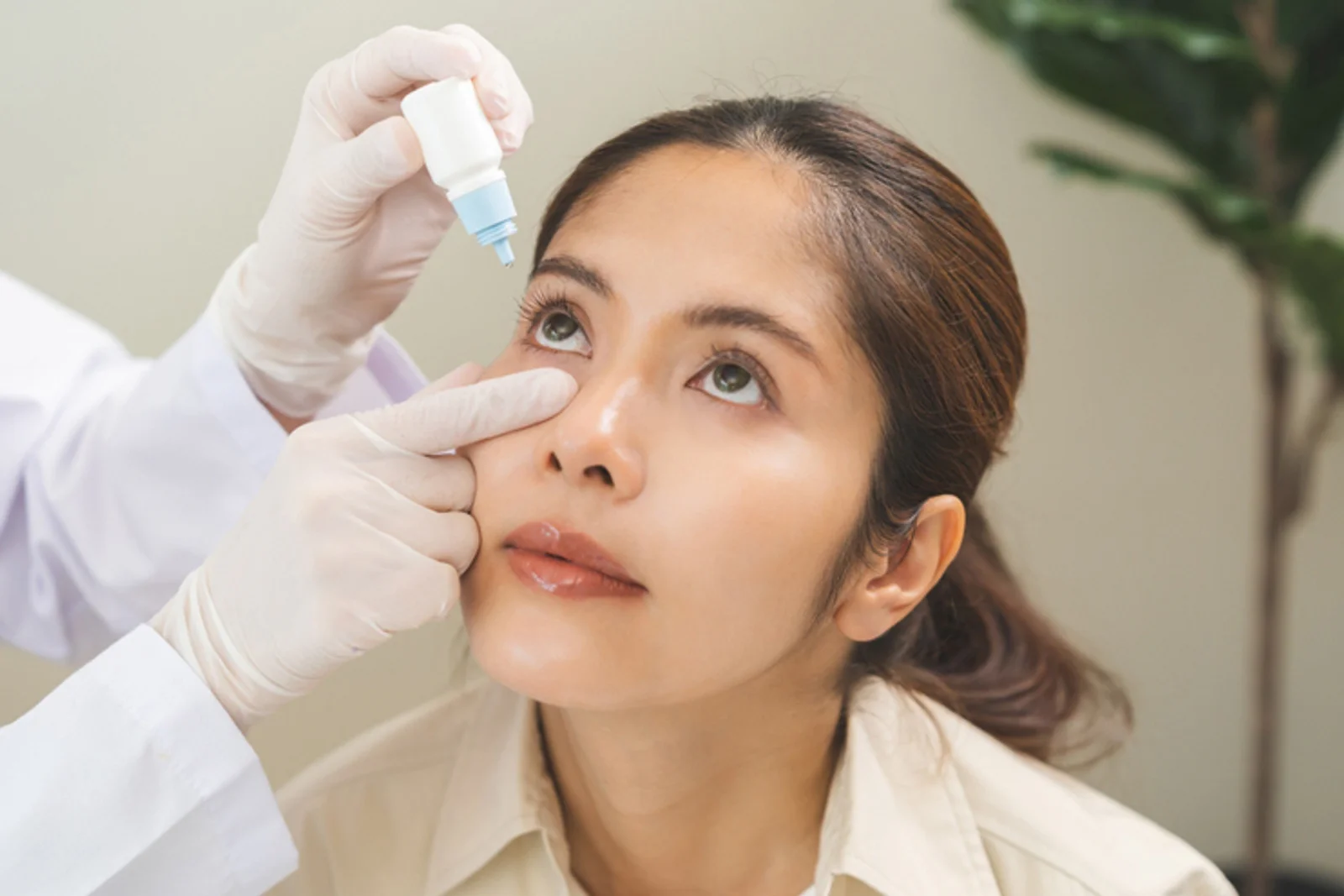
Artificial Tears and Lubricating Drops
These are often the first line of defense. Preservative-free artificial tears provide hydration without irritating the eye. However, for patients who use drops multiple times a day, we stress that this is just symptomatic relief — not a cure.
Lifestyle Adjustments
Sometimes, the simplest changes make a big difference. Taking screen breaks every 20 minutes, using a desktop humidifier during winter, wearing wraparound sunglasses outdoors, or avoiding direct airflow indoors can ease symptoms.
Living Comfortably With Dry Eye
Conclusion
More Articles
Continue reading our ophthalmology guides and vision care insights.

SMILE vs LASIK: Recovery Benchmarks for Vision Correction Care
South Korea has solidified its position as a global epicenter for ophthalmology, with the domestic LASIK and refractive surgery market projected to reach **USD 167.37 million by 2035**, growing at a steady CAGR of 8.54%.
Learn More

Prevalence of Myopia in Korea: The Value of Dream Lens Therapy
The prevalence of myopia among young people in South Korea has reached critical levels, often described as a "myopia epidemic." According to recent data from the **Korean National Health and Nutrition Examination Survey (KNHANES)**, the prevalence of myopia...
Learn More

Multidisciplinary Care: The Future of Korean Pediatric Eye Clinics
The landscape of pediatric eye care in South Korea is shifting rapidly. With nearly **21.9% of Korean children** estimated to be affected by various visual disorders according to nationwide health screenings, the demand for specialized intervention has never...
Learn More