Comprehensive Eye Care & Vision Correction in Incheon · Multilingual International Concierge
23+ Years Clinical Experience
en-US

Ophthalmology Guide
Vision Correction in Korea 30% Cheaper Than Japan
Discover why Vision Correction in South Korea is 30% cheaper than in Japan. Access SMILE Pro and elite surgeons in Seoul with dedicated Russian-speaking support.
Schedule a ConsultationIntroduction
For years, the decision for many patients in the CIS region seeking world-class eye care was a choice between the technical precision of Japan and the rising medical power of South Korea. Today, however, the data is clear: Seoul has become the definitive destination for Vision Correction.
Why South Korea Is the Global Leader in Vision Correction
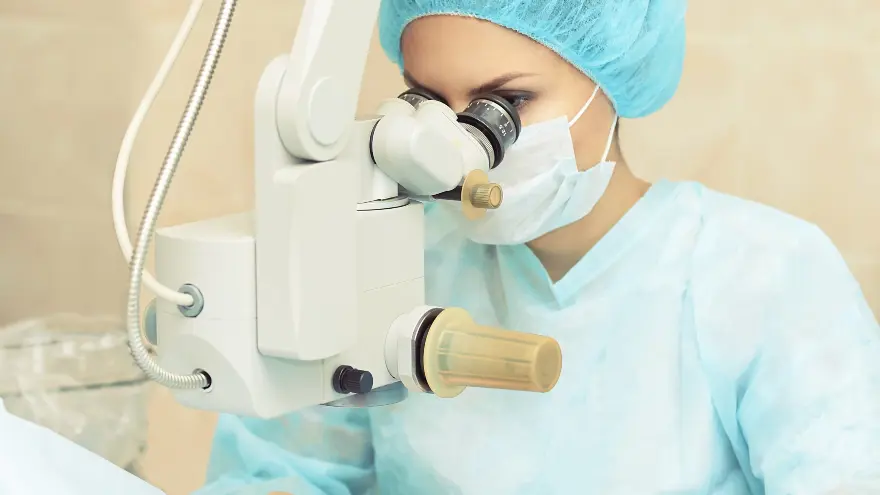
South Korea’s ophthalmology sector operates with a level of intensity unmatched anywhere else in Asia. The sheer density of eye clinics in districts like Gangnam has created a "Center of Excellence" where only the most technologically advanced and patient-centric clinics thrive.
Access to the Latest Technology: Korean eye centers prioritize the "First-to-Market" approach.
Understanding Your Procedure Options
Selecting the right surgery is a collaborative process between you and your surgeon, based on your lifestyle and eye health.
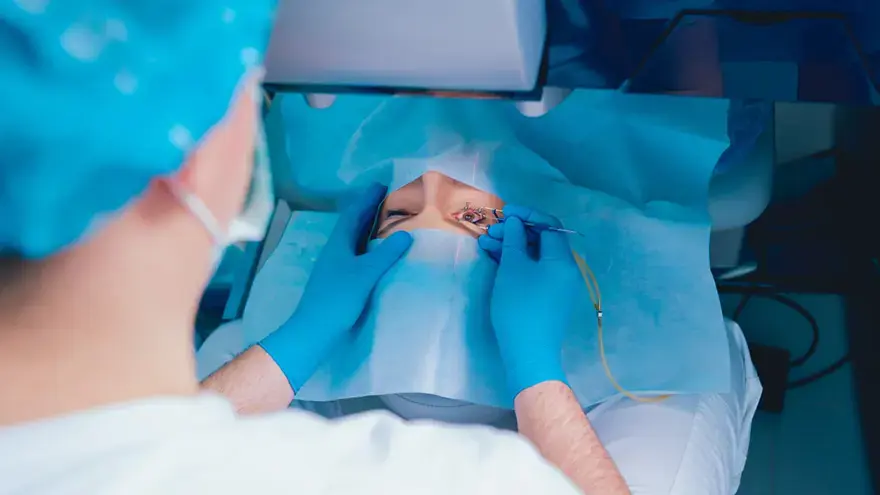
SMILE and SMILE Pro: This is the current gold standard for patients who want a fast return to active life. Because there is no flap created, the structural integrity of the eye remains almost entirely intact.
- Benefits: Ideal for those with dry eye concerns and those who want to return to the gym or work the very next day.
- SMILE Pro: Utilizes lightning-fast laser technology to complete the reshaping process in just 10 seconds per eye. LASIK: This remains a favorite for patients seeking "instant" visual improvement. Modern All-Laser LASIK uses a femtosecond laser to create a precise flap, followed by an excimer laser to correct the vision.
- Benefits: Extremely high patient satisfaction rates and high-definition clarity within hours. LASEK: For patients with thin corneas who were previously told they weren't candidates for surgery, LASEK offers a safe alternative. It avoids flap creation entirely by treating the surface of the cornea.
- Benefits: The safest choice for professional athletes or those in high-contact professions. ICL (Implantable Collamer Lens): When the prescription is too high for laser reshaping, ICL provides an "internal contact lens" solution. The lens is placed behind the iris, providing permanent, crystal-clear vision without removing any corneal tissue.
- Benefits: Completely reversible and offers the best night-vision quality for high-myopia patients.
The Cost Advantage: Saving 30% Compared to Japan
The 30% price gap between Korea and Japan is not a reflection of quality, but of medical economics. Japan’s healthcare costs are driven by high administrative overhead and a lack of specialized medical tourism infrastructure. South Korea, however, has built its eye clinics for global efficiency.
| Procedure Type | Average Cost in Japan | Average Cost in South Korea | Estimated Savings |
|---|---|---|---|
| SMILE Pro | Premium / Rare | Lowest Global Rate | ~30% - 35% |
| All-Laser LASIK | High | Standardized / Value | ~25% |
| ICL (Lens Implant) | Very Expensive | High-Volume Efficiency | ~30% |
| Pre-Op Screening | Separate Fee | Included / 50+ Tests | Significant |
The 50-Point Eye Exam: Maximum Safety Standards
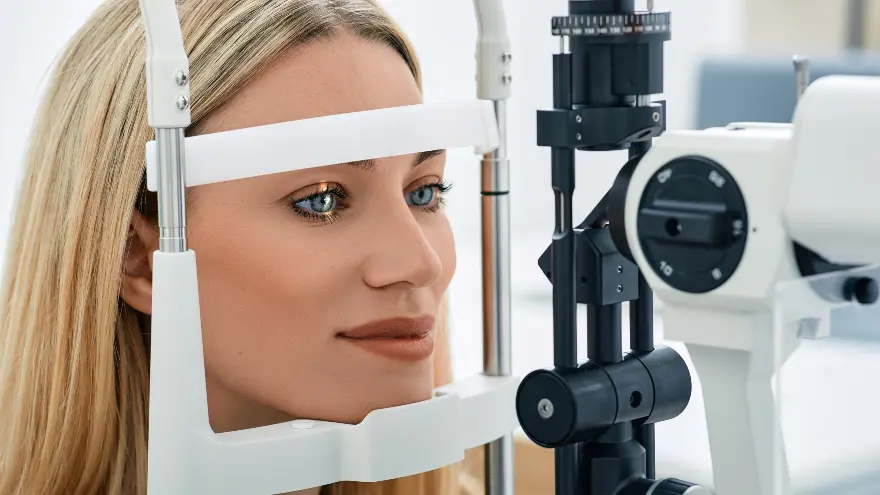
Safety is the foundation of the Korean medical experience. Before any Vision Correction procedure is approved, patients undergo a rigorous "Safety First" screening process involving 50 distinct tests.
- Corneal Topography: Creating a 3D digital map of the eye to detect even invisible irregularities.
- Genetic Screening: Testing for the Avellino gene to ensure laser surgery will not cause long-term complications.
- Epithelial Mapping: Measuring the thickness of the eye’s layers to ensure enough tissue remains for lifelong stability.
- Visual Field Testing: Confirming the overall health of the optic nerve and peripheral vision. By identifying non-candidates early, Korean clinics maintain one of the highest safety records in global ophthalmology.
Logistics for Patients from Russia and the CIS
Navigating a medical trip to Seoul is designed to be as simple as a local doctor's visit. High-tier clinics have dedicated "Russia Desks" to handle the specific needs of patients from the CIS region.
Professional Translators: From the moment you enter the clinic, you are paired with a medical coordinator who speaks fluent Russian.
Risks and Safety Protocols
Frequently Asked Questions
Conclusion
More Articles
Continue reading our ophthalmology guides and vision care insights.

SMILE vs LASIK: Recovery Benchmarks for Vision Correction Care
South Korea has solidified its position as a global epicenter for ophthalmology, with the domestic LASIK and refractive surgery market projected to reach **USD 167.37 million by 2035**, growing at a steady CAGR of 8.54%.
Learn More

Prevalence of Myopia in Korea: The Value of Dream Lens Therapy
The prevalence of myopia among young people in South Korea has reached critical levels, often described as a "myopia epidemic." According to recent data from the **Korean National Health and Nutrition Examination Survey (KNHANES)**, the prevalence of myopia...
Learn More

Multidisciplinary Care: The Future of Korean Pediatric Eye Clinics
The landscape of pediatric eye care in South Korea is shifting rapidly. With nearly **21.9% of Korean children** estimated to be affected by various visual disorders according to nationwide health screenings, the demand for specialized intervention has never...
Learn More