Comprehensive Eye Care & Vision Correction in Incheon · Multilingual International Concierge
23+ Years Clinical Experience
en-US

Ophthalmology Guide
Top Cataract Treatments in 2025: Expert Care in Korea
Explore 2025’s top cataract treatments including laser surgery and premium lenses at Korea’s Global Ubal Eye Center. Faster recovery, clearer vision.
Schedule a ConsultationUnderstanding Cataracts in the Modern Age
Cataracts remain one of the most common causes of vision impairment globally, but in 2025, treatment is not just about restoring sight—it's about optimizing it. With minimally invasive technologies and personalized surgical planning, today's patients enjoy faster recoveries, enhanced visual outcomes, and more lifestyle-tailored options than ever before.
What Causes Cataracts? Know the Risks
A cataract forms when proteins in the eye's lens degrade and cluster, creating visual haze. Symptoms may begin subtly and progress slowly:
- Light sensitivity and halo effects
- Frequent prescription changes
- Dull or yellowed colors
- Double vision in one eye
Surgical Shifts: From Manual to Machine-Led Precision
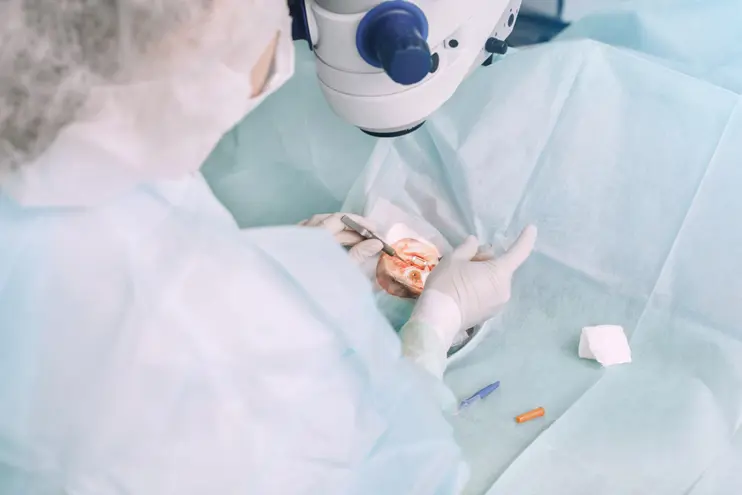
Traditional cataract surgery involved manual removal of the cloudy lens. In 2025, most clinics now use laser-assisted systems, enhancing accuracy and reducing risks. These include:
- Femtosecond laser incisions and lens fragmentation
- AI-powered planning based on 3D eye imaging
- Image-guided systems ensuring precise IOL placement
What Sets 2025 Apart: Lenses That Adapt to Life
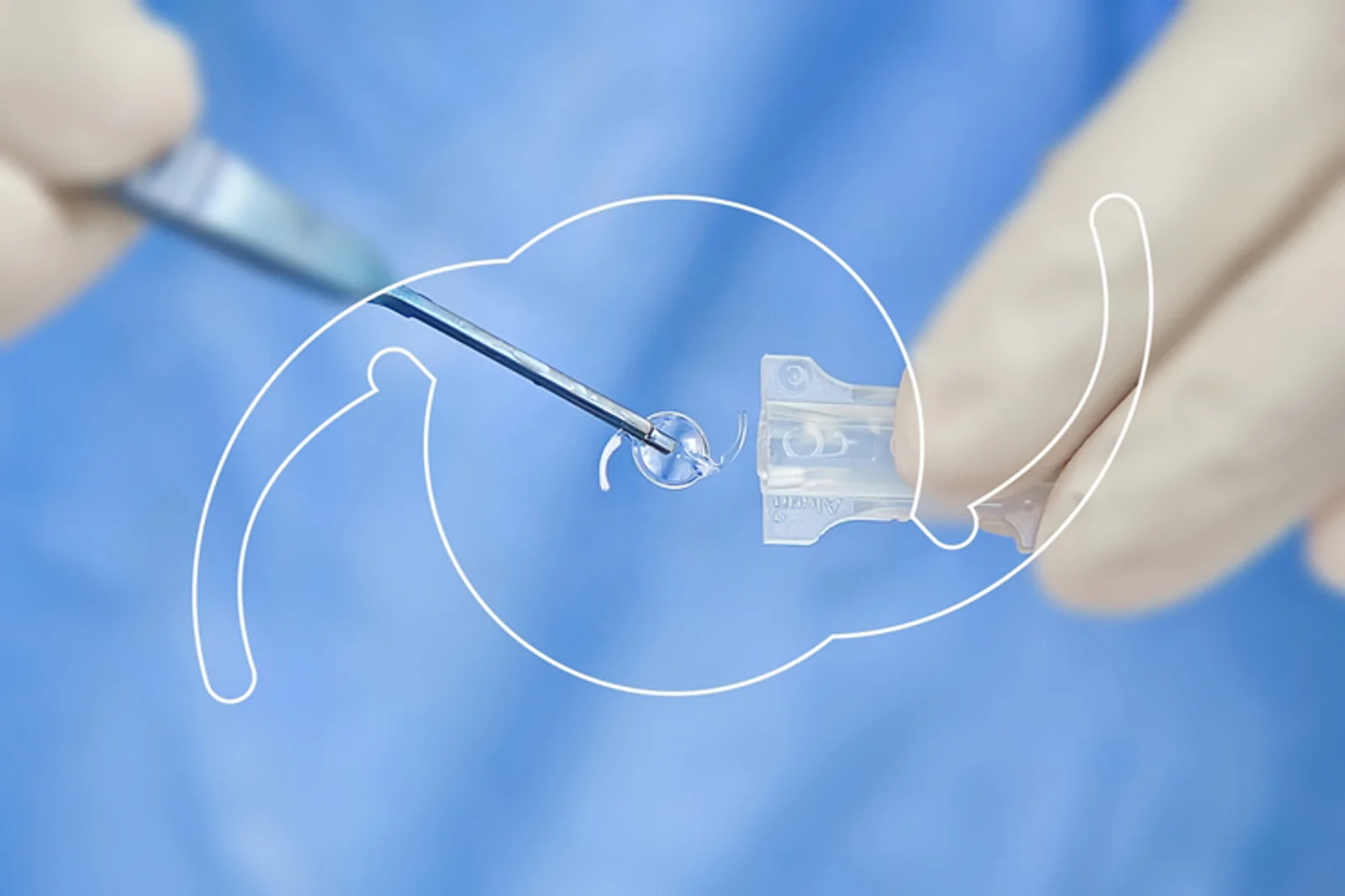
Today’s intraocular lenses (IOLs) are no longer one-size-fits-all. Patients now choose based on lifestyle needs:
- Multifocal & EDOF lenses: Clear vision across all distances
- Toric lenses: Correct astigmatism
- Photochromic IOLs: Light-responsive for better glare protection
Behind the Surgery Suite: A Closer Look at the Experience
Dr. Heecheol Bae, MD, PhD, of Global Ubal Eye Center in Incheon, shares:
Healing Ahead: What Recovery Looks Like
Thanks to advanced techniques, recovery is smoother than ever:
- Vision improvement often starts within 1–2 days
- Recovery plans are customized based on age, eye condition, and lifestyle
- Post-op drops prevent infection and reduce inflammation
- Follow-ups are conducted using high-resolution imaging tools
Complex Cases? Personalized Solutions
Global Ubal specializes in treating:
- Patients with diabetes: Integrated sugar control and retinal evaluation
- Glaucoma cases: Dual procedures for pressure and clarity
- Pediatric patients: Gentle techniques and growth-sensitive planning
Candidacy & Care: Is Laser Cataract Surgery Right for You?
Laser-assisted surgery isn’t suitable for all. Selection depends on corneal thickness, eye health, and personal goals. Global Ubal performs comprehensive diagnostics, including OCT and corneal topography, to guide the best approach.
Breaking Down the Costs: Clarity and Coverage
Costs depend on lens type, technology, and location. At Global Ubal Eye Center:
- Transparent billing covers surgery, follow-up, and support services
- Packages for international patients include travel and visa support
- Many Korean and global insurers reimburse part of the procedure
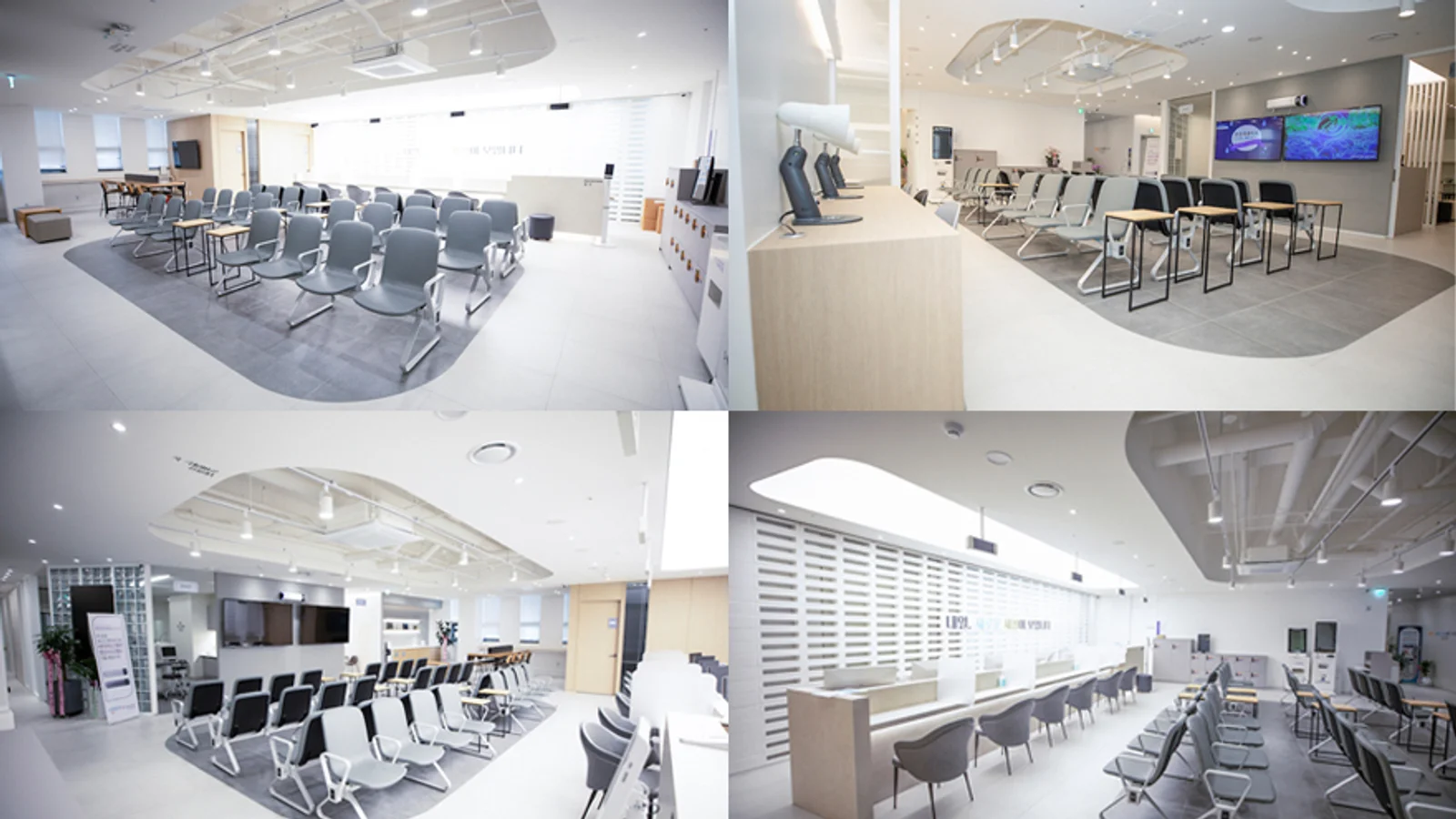
A Global Destination for Vision Restoration
With the aging global population, cataract procedures are in high demand. Incheon’s medical infrastructure and expert teams position it as a leading destination for eye care.
Expert Answers to Common Questions
- Is surgery painful? No. Local anesthesia and light sedation keep patients comfortable.
- When will I see clearly? Vision often improves within 48 hours; full recovery usually occurs within 2–4 weeks.
- Do cataracts come back? No, but a condition called PCO can occur later and is treated quickly with laser.
- Are advanced lenses worth the cost? For many, yes—especially if reducing dependence on glasses is a priority.
- What makes Global Ubal different? Advanced imaging, multilingual care, concierge support, and a 20+ year surgical record set it apart.
- Can I travel after cataract surgery? Yes, most patients can fly within a few days post-surgery, though it’s best to plan at least one follow-up visit before departure.
Conclusion: See the Future, Clearly
Cataracts, once a major barrier to vision, are now one of the most treatable eye conditions—thanks to innovations in surgical precision, lens technology, and patient-centered care. The year 2025 marks a new era in ophthalmology, where procedures are tailored, outcomes are optimized, and recovery is faster than ever before.
More Articles
Continue reading our ophthalmology guides and vision care insights.

SMILE vs LASIK: Recovery Benchmarks for Vision Correction Care
South Korea has solidified its position as a global epicenter for ophthalmology, with the domestic LASIK and refractive surgery market projected to reach **USD 167.37 million by 2035**, growing at a steady CAGR of 8.54%.
Learn More

Prevalence of Myopia in Korea: The Value of Dream Lens Therapy
The prevalence of myopia among young people in South Korea has reached critical levels, often described as a "myopia epidemic." According to recent data from the **Korean National Health and Nutrition Examination Survey (KNHANES)**, the prevalence of myopia...
Learn More

Multidisciplinary Care: The Future of Korean Pediatric Eye Clinics
The landscape of pediatric eye care in South Korea is shifting rapidly. With nearly **21.9% of Korean children** estimated to be affected by various visual disorders according to nationwide health screenings, the demand for specialized intervention has never...
Learn More