Comprehensive Eye Care & Vision Correction in Incheon · Multilingual International Concierge
23+ Years Clinical Experience
en-US


Ophthalmology Guide
Top 5 Treatments for Dry Eye Syndrome That Actually Work
Discover the top 5 treatments for dry eye syndrome that actually work. Relieve discomfort and improve eye health today—find the right solution for you!
Schedule a ConsultationIntroduction
If you’ve ever blinked and felt like there’s sand in your eye, or sat at your desk only to find your vision slowly blurring without warning, you’re not imagining things. Dry eye syndrome is real, and it’s more common than most people realize. At Global Ubal Eye Center here in Incheon, we see patients every day who struggle with dry eye symptoms ranging from annoying to downright disabling.
High-Quality Artificial Tears: The Starting Point
This may sound obvious, but the truth is that not all eye drops are created equal. Artificial tears are the first step—not because they solve everything, but because they give your eyes a fighting chance while deeper issues are addressed.
- Preservative-free formulas (especially if using more than 4 times daily)
- Drops that include carboxymethylcellulose or sodium hyaluronate
- Thicker nighttime gels for prolonged relief
Anti-Inflammatory Prescription Drops: Tackling the Root
Many cases of dry eye are fueled by low-grade inflammation that artificial tears simply can’t address. This is especially true for patients who have undergone LASIK, cataract surgery, or have autoimmune conditions.
Meibomian Gland Therapy: Fixing the Oil Layer
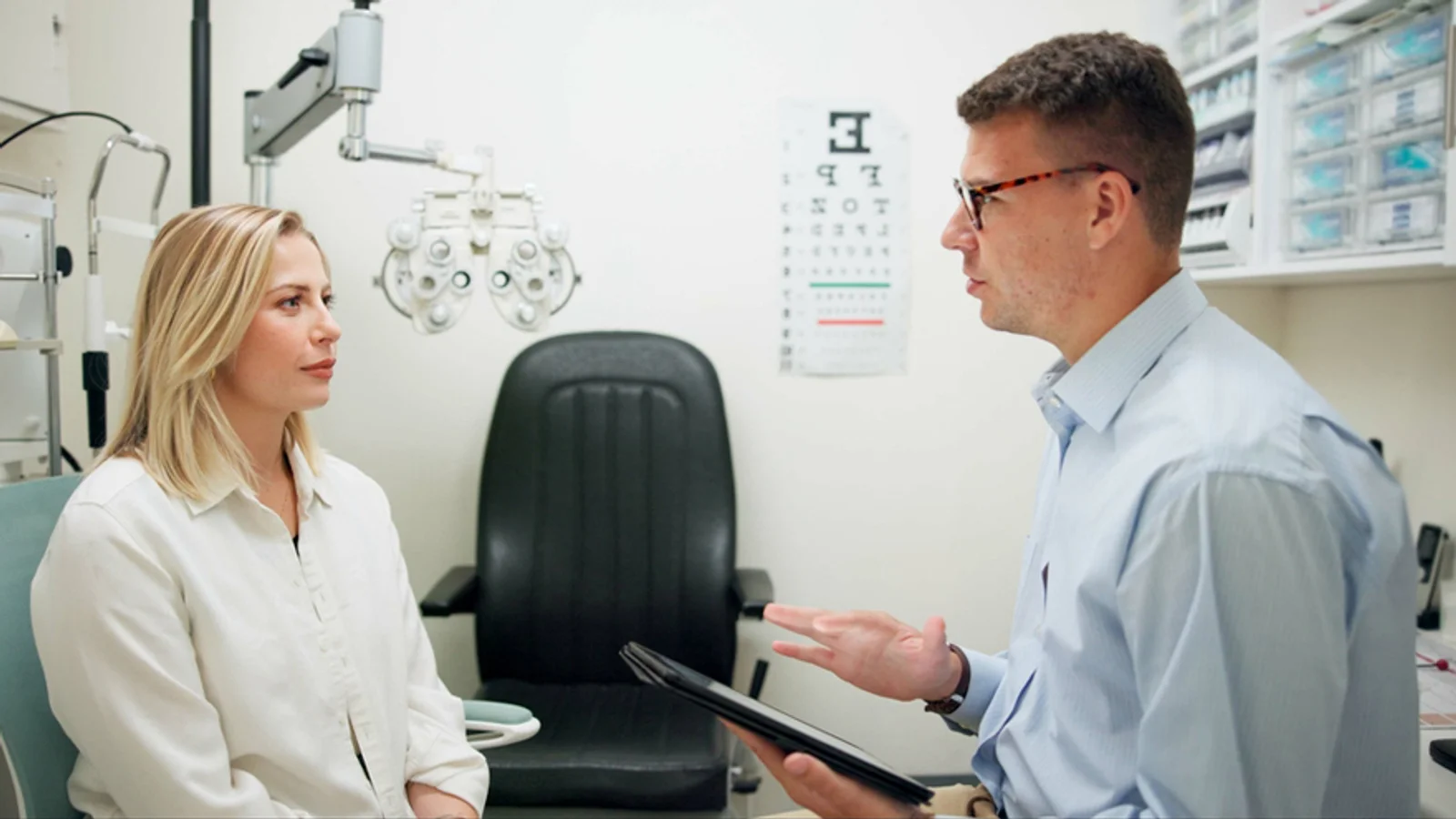
If you’ve ever had an eye exam where your eyelids were gently pressed or heated, you’ve probably had your meibomian glands evaluated. These glands produce the oily part of your tear film—the layer that keeps your tears from evaporating too quickly.
- In-office thermal pulsation (e.g., LipiFlow)
- Meibography to image and monitor gland health
- Customized at-home routines with warm compresses and lid scrubs
Punctal Occlusion: Keeping Tears Where They Belong
For patients with low tear volume, punctal plugs can be a game-changer. These tiny devices are inserted into the tear drainage ducts to help retain natural and artificial tears on the eye surface longer.
Lifestyle and Environment Adjustments: The Hidden Fix
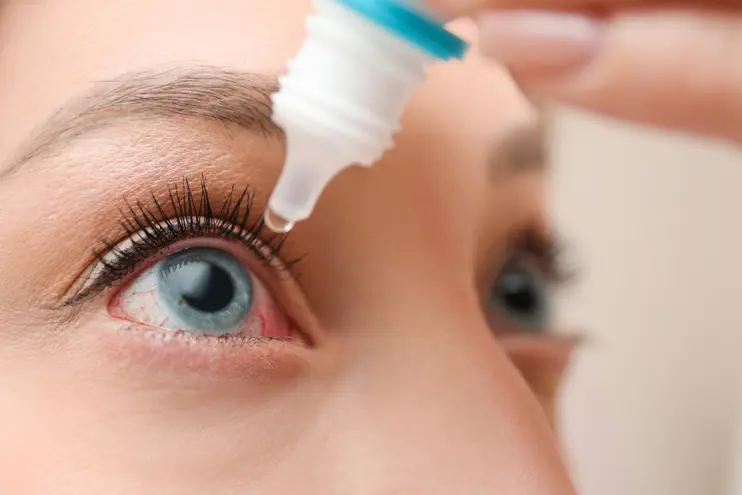
This is where many patients can truly empower themselves. We often say: “No drop can fix a dry office.” That’s because environmental and behavioral factors play a huge role in dry eye severity.
- Use of humidifiers (especially in winter or air-conditioned spaces)
- Avoid direct airflow to the face (fans, heaters)
- Follow the 20-20-20 rule during screen time
- Add omega-3 fatty acids (flaxseed oil, fish oil) to diet
- Stay hydrated and reduce alcohol/caffeine intake
The Global Ubal Approach
At Global Ubal Eye Center, we don’t treat dry eye as a ‘one-size-fits-all’ condition. We start with comprehensive diagnostics: evaluating tear breakup time, meibomian gland health, ocular surface integrity, and systemic health factors. Then we develop a treatment plan that makes sense for your lifestyle and condition severity.
Final Thoughts: You Don’t Have to Just Live With It
If your eyes are dry, irritated, or constantly needing attention, it’s not just a nuisance—it’s a medical condition worth proper care. And there are effective, science-backed treatments available.
More Articles
Continue reading our ophthalmology guides and vision care insights.

SMILE vs LASIK: Recovery Benchmarks for Vision Correction Care
South Korea has solidified its position as a global epicenter for ophthalmology, with the domestic LASIK and refractive surgery market projected to reach **USD 167.37 million by 2035**, growing at a steady CAGR of 8.54%.
Learn More

Prevalence of Myopia in Korea: The Value of Dream Lens Therapy
The prevalence of myopia among young people in South Korea has reached critical levels, often described as a "myopia epidemic." According to recent data from the **Korean National Health and Nutrition Examination Survey (KNHANES)**, the prevalence of myopia...
Learn More

Multidisciplinary Care: The Future of Korean Pediatric Eye Clinics
The landscape of pediatric eye care in South Korea is shifting rapidly. With nearly **21.9% of Korean children** estimated to be affected by various visual disorders according to nationwide health screenings, the demand for specialized intervention has never...
Learn More