Comprehensive Eye Care & Vision Correction in Incheon · Multilingual International Concierge
23+ Years Clinical Experience
en-US

Ophthalmology Guide
The Truth About Cataract Surgery and Presbyopia
Discover the truth about cataract surgery and presbyopia, treatment options, and outcomes. Learn how to restore clear vision—explore your options today!
Schedule a ConsultationIntroduction: When Vision Starts to Shift
It often begins quietly. A patient notices that the street signs look blurred at night, headlights seem harsher, or the morning paper has become difficult to read without stretching the arms farther away. At first, these changes are dismissed as “just getting older.” But gradually, everyday tasks like driving, reading, or even enjoying a favorite movie begin to feel compromised.
Understanding the Eye’s Natural Lens
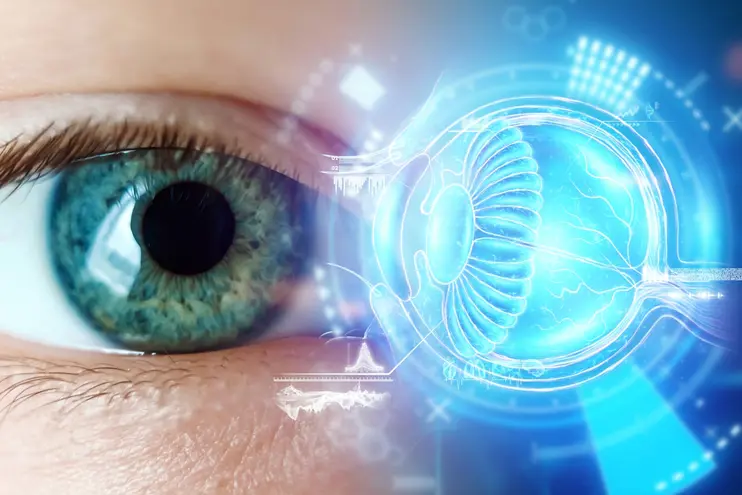
To understand cataracts and presbyopia, it helps to visualize the lens inside your eye. The lens sits just behind the iris, focusing light onto the retina so that you can see clearly. When you’re young, this lens is clear and flexible — it shifts seamlessly between focusing on the horizon and on a book held in your hands.
- In cataracts, proteins in the lens clump together, causing clouding. Vision becomes blurred, colors look faded, and glare becomes a frequent nuisance.
- In presbyopia, the lens becomes stiff and loses flexibility. Suddenly, tasks like reading your phone or threading a needle become difficult without glasses.
Cataract Surgery: A Proven Path to Clarity

Cataract surgery is one of the most successful procedures in medicine, with millions performed worldwide every year. In Korea, where medical technology is advanced and patient outcomes are highly valued, cataract surgery has become refined to a level of extraordinary precision.
Presbyopia and Cataract Surgery: What You Need to Know
One of the most frequent questions patients ask us is:
Lens Options for Presbyopia Correction
Misconceptions About Cataracts and Presbyopia
There are two misconceptions we encounter repeatedly:
The Role of Technology
Modern cataract surgery has advanced far beyond simple lens replacement. At our clinic, we use:
- Femtosecond lasers for precise incisions.
- Advanced imaging to map the eye before surgery.
- Customizable IOLs matched to each patient’s visual profile.
A Patient Story: The Business Executive
One patient, a 58-year-old executive, came to us frustrated by two problems. His cataracts made night driving difficult, and presbyopia meant he was constantly swapping glasses in meetings. After thorough evaluation, we recommended trifocal IOLs.
Recovery Expectations After Surgery
Patients often worry about recovery, but the reality is reassuring:
- Most return to normal routines within days.
- Vision stabilizes over several weeks.
- Minor dryness or sensitivity to light is common at first.
- With modern techniques, risks are very low when performed by experienced surgeons.
Why Personalized Care Matters?
Every patient’s eyes are unique — shaped by age, health conditions, and personal habits. This is why cataract surgery and presbyopia correction should never be treated as a “one-size-fits-all” procedure.
- Do you read for pleasure?
- Do you spend hours on digital devices?
- Do you travel frequently?
- Are you sensitive to glare?
A Korean Perspective on Vision Care
In Korea, eye care is often proactive. Patients are accustomed to routine check-ups and place high value on both functional vision and convenience. International patients visiting us in Incheon are often surprised at the level of precision and customization offered.
Conclusion: Seeing Beyond the Surgery
Cataract surgery is not just about removing a cloudy lens. It is about reclaiming freedom, independence, and the ability to enjoy life without constant visual struggle. Presbyopia, once accepted as an unavoidable inconvenience, can now be addressed at the same time — but only with careful planning and the right technology.
More Articles
Continue reading our ophthalmology guides and vision care insights.

SMILE vs LASIK: Recovery Benchmarks for Vision Correction Care
South Korea has solidified its position as a global epicenter for ophthalmology, with the domestic LASIK and refractive surgery market projected to reach **USD 167.37 million by 2035**, growing at a steady CAGR of 8.54%.
Learn More

Prevalence of Myopia in Korea: The Value of Dream Lens Therapy
The prevalence of myopia among young people in South Korea has reached critical levels, often described as a "myopia epidemic." According to recent data from the **Korean National Health and Nutrition Examination Survey (KNHANES)**, the prevalence of myopia...
Learn More

Multidisciplinary Care: The Future of Korean Pediatric Eye Clinics
The landscape of pediatric eye care in South Korea is shifting rapidly. With nearly **21.9% of Korean children** estimated to be affected by various visual disorders according to nationwide health screenings, the demand for specialized intervention has never...
Learn More