Comprehensive Eye Care & Vision Correction in Incheon · Multilingual International Concierge
23+ Years Clinical Experience
en-US


Ophthalmology Guide
The Newest Dry Eye Treatments in 2025: Find Out Today
Discover the newest dry eye treatments in 2025 with the latest breakthroughs and solutions. Stay informed and improve your eye health—learn more today!
Schedule a ConsultationIntroduction
Dry eye used to be something people joked about — along the lines of “I just need more tears.” But if you’ve ever tried to read on the subway with burning eyes, struggled through a long day at the office staring at screens, or felt like your contact lenses suit you less every year, dry eye isn’t funny. It’s real. It’s chronic.
Why Dry Eye Is More Than “Just Dryness”
To many patients, dry eye means one thing: not enough tears. But that’s only part of the story.
- Tear film imbalance,
- Meibomian gland dysfunction (oil deficiency),
- Ocular surface inflammation,
- Nerve hypersensitivity,
- Systemic or environmental contributors.
Advanced Tear Substitutes: Mimicking Your Natural Tear Film
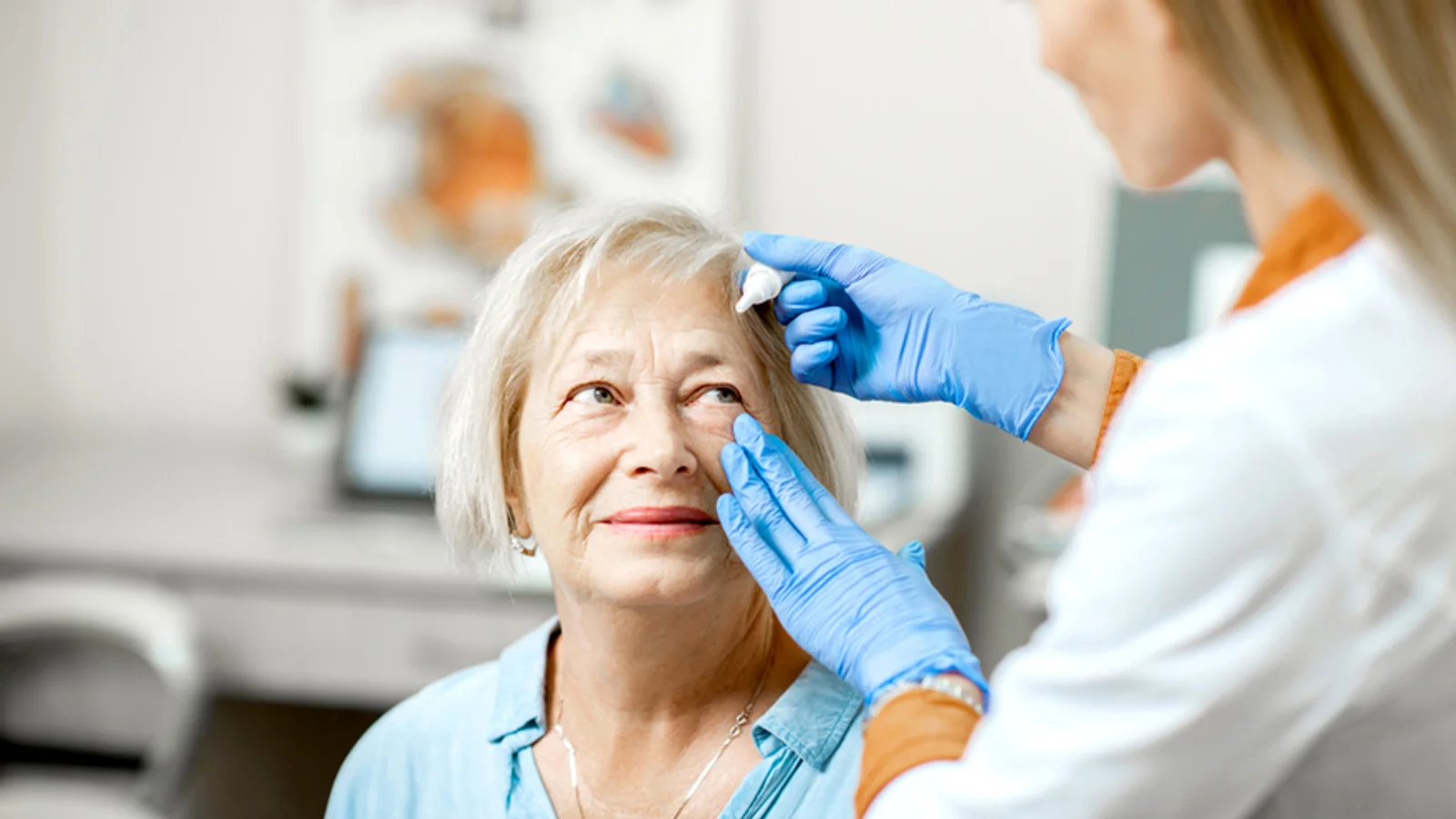
Artificial tears have been around for ages — but many only provide short‑lived relief. In 2025, tear substitutes have become one of the most sophisticated parts of dry eye management.
Lipid‑Rich Tear Formulas
Some dry eye is caused by evaporative loss — meaning your tears evaporate too quickly because the lipid (oil) layer is weak or missing.
- Spread evenly across the eye’s surface,
- Blend with your natural tears,
- Resist wash‑out from blinking and tear turnover.
HydroComplex Lubricants
These are not just water and gel. They are engineered to adhere to the ocular surface, forming a protective cushion that reduces friction and nourishes the cells of the cornea and conjunctiva.
Precision Anti‑Inflammatory Therapies
Inflammation plays a central role in chronic dry eye. For some patients, the immune system is actively attacking or disrupting the ocular surface — and that’s not solved by lubrication alone.
Selective Immunomodulatory Drops
Medications that selectively modulate the immune response — including improved versions of established agents — can:
- Reduce redness and irritation,
- Minimize chronic tissue damage,
- Improve tear quality over time.
Biologic‑Derived Therapeutics
Gone are the days when biologics were only for systemic diseases. In 2025, biologic molecules are being formulated for ocular use to:
- Promote healing at the tear gland and surface level,
- Reduce cellular inflammation,
- Support natural tear production mechanisms.
Treating the Whole Person: Systemic and Neural Targets
For many people, dry eye symptoms are not just local — they’re connected to the nervous system or overall health.
Neuro‑Targeted Therapies
Some patients report intense discomfort that seems out of proportion to what we see on clinical exam. That’s often because the sensory nerves on the ocular surface become hypersensitive.
- Calm aberrant nerve activity,
- Reduce burning or stinging,
- Improve comfort even when tears haven’t changed.
Systemic Support Therapies
Recent research clarifies that dry eye can be influenced by:
- Hormonal changes (especially in menopause),
- Autoimmune conditions,
- Nutritional deficiencies,
- Chronic inflammation.
Meibomian Gland Therapy: Restoring Your Oil Layer
Let’s be honest: for a lot of dry eye sufferers, the real problem is in the meibomian glands — tiny oil factories along your eyelid margins that keep tears stable.
Advanced Thermal Pulsation Devices
Devices that deliver controlled warmth and gentle pressure to the eyelids can clear clogged glands in one session. Improvements in speed and precision mean:
- Treatment sessions are shorter,
- Patient comfort is higher,
- Results last longer.
Intense Pulsed Light (IPL) for Eyelids
Once used primarily for skin conditions, IPL has been refined for ocular application. It helps by:
- Reducing abnormal vasculature that fuels inflammation,
- Stimulating healthier gland function,
- Improving tear film quality indirectly.
Regenerative Approaches
Emerging, cutting‑edge approaches are exploring ways to:
- Stimulate dormant gland cells,
- Promote tissue regeneration,
- Improve gland architecture on a structural level.
Who Benefits Most From the Newest 2025 Treatments?

Your Eyes Deserve More Than Temporary Relief
Why Choose Global Ubal Eye Center for Dry Eye Treatment?
Conclusion: The Future of Dry Eye Is Here — and It Works
More Articles
Continue reading our ophthalmology guides and vision care insights.

SMILE vs LASIK: Recovery Benchmarks for Vision Correction Care
South Korea has solidified its position as a global epicenter for ophthalmology, with the domestic LASIK and refractive surgery market projected to reach **USD 167.37 million by 2035**, growing at a steady CAGR of 8.54%.
Learn More

Prevalence of Myopia in Korea: The Value of Dream Lens Therapy
The prevalence of myopia among young people in South Korea has reached critical levels, often described as a "myopia epidemic." According to recent data from the **Korean National Health and Nutrition Examination Survey (KNHANES)**, the prevalence of myopia...
Learn More

Multidisciplinary Care: The Future of Korean Pediatric Eye Clinics
The landscape of pediatric eye care in South Korea is shifting rapidly. With nearly **21.9% of Korean children** estimated to be affected by various visual disorders according to nationwide health screenings, the demand for specialized intervention has never...
Learn More