Comprehensive Eye Care & Vision Correction in Incheon · Multilingual International Concierge
23+ Years Clinical Experience
en-US


Ophthalmology Guide
The Latest Dry Eye Treatments You Should Try in 2025
Discover the latest dry eye treatments in 2025 that offer fast relief and lasting comfort. Explore cutting-edge solutions—your eyes will thank you!
Schedule a ConsultationIntroduction
It often starts with something small — a sting when you blink, a vague grittiness behind the eyes, or the strange paradox of watery eyes that still feel dry. For many of us, dry eye has gone from an occasional nuisance to a chronic condition, worsened by the way we live now: endless hours on screens, indoor heating, contact lenses, and even certain medications. If this sounds familiar, you're not alone.
Why Dry Eye Needed a Revolution
Dry eye disease (DED) isn’t just about dryness. It’s a multifactorial condition that can involve reduced tear production, poor tear quality, inflammation, and damage to the meibomian glands — the tiny oil-secreting structures along your eyelid margins. When any part of this finely balanced system goes off track, the result can be burning, stinging, blurred vision, or even chronic discomfort that affects daily life.
What’s New in 2025 — and Why It Matters
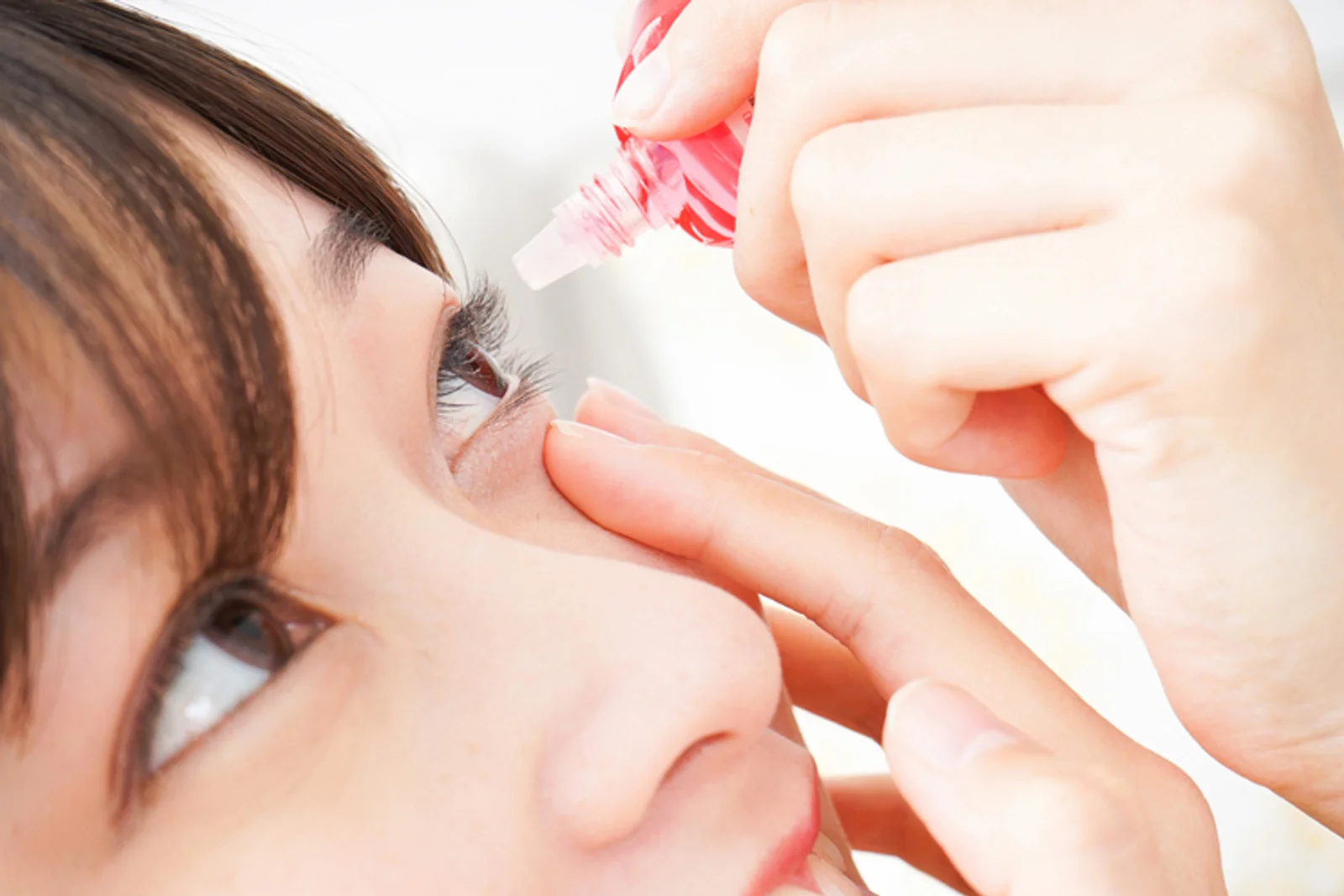
Tear-Stimulating Eye Drops: Moving Beyond Lubrication
One of the most promising approvals this year is Acoltremon (marketed as Tryptyr), which activates TRPM8 nerve channels to stimulate natural tear production. Unlike traditional drops that simply wet the eye’s surface, Tryptyr encourages your lacrimal glands to produce actual tears — restoring natural function. Patients often report a noticeable difference within the first few days.
In-Clinic Therapies: Going Deeper Than Drops
At Global Ubal Eye Center, we often treat patients whose dry eye doesn’t respond to drops alone. That’s where in-office therapies come in:
- Thermal Pulsation Devices (like LipiFlow or iLux): These apply controlled heat and gentle pressure to unclog meibomian glands, improving oil flow and reducing evaporation. It’s non-invasive, and many patients see improvement in just one or two sessions.
- Radiofrequency (RF) Therapy: By stimulating collagen production and warming the eyelids, RF treatments enhance meibomian gland function and can even improve skin around the eyes — a bonus for patients seeking both relief and rejuvenation.
- Punctal Plugs: These tiny biocompatible devices block tear drainage, allowing your natural tears to stay on the eye longer. They’re especially effective for aqueous-deficient dry eye and are quick to insert with minimal discomfort.
- Low-Level Light Therapy (LLLT): Used increasingly in 2025, LLLT targets inflammation and stimulates mitochondrial activity in eyelid tissues. It’s especially helpful in cases of rosacea-related MGD.
Contact Lenses That Do More Than Correct Vision
Smart contact lenses are no longer science fiction. New prototypes in 2025 deliver time-released lubricants or anti-inflammatory agents directly to the eye. Some even detect changes in tear chemistry and adjust medication release accordingly — a major breakthrough for patients with chronic, hard-to-treat dry eye.
What’s on the Horizon: The Regenerative Frontier
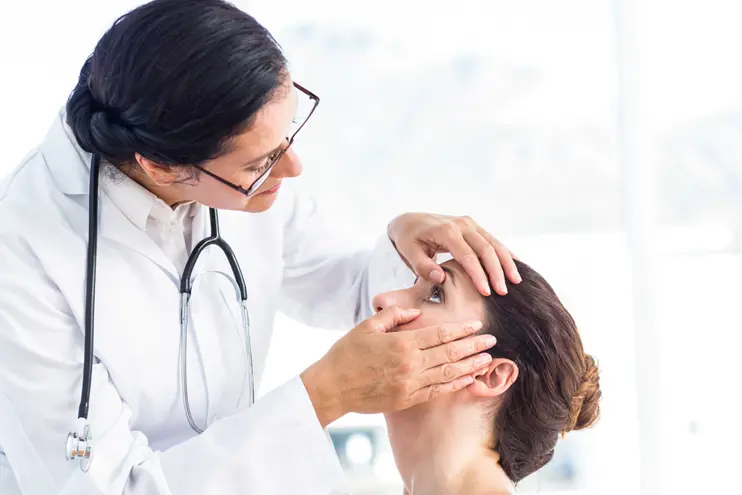
Dry eye is not just a surface issue — in many cases, it reflects deeper biological dysfunction. That’s why researchers are now looking at regenerative medicine to actually heal damaged tissues rather than just masking symptoms. This includes:
- Stem-cell-based therapies to restore goblet cell density (critical for mucin layer health)
- Immunomodulatory eye drops tailored to a patient’s inflammatory profile
- Gene and peptide therapies designed to reverse glandular atrophy or promote nerve regeneration
Real Talk: What Dry Eye Patients Actually Need
To be honest, many dry eye sufferers have spent years cycling through drops, home remedies, and unhelpful advice. That’s because they were never evaluated thoroughly. At our clinic, we begin every dry eye treatment with a comprehensive assessment: evaluating tear quantity and quality, meibomian gland structure via meibography, inflammatory markers, and even blink mechanics.
Conclusion: From Temporary Relief to Lasting Comfort
Dry eye may be more common than ever, but that doesn’t mean you have to settle for constant discomfort. The treatments available in 2025 — from nerve-activating drops to in-office gland therapies and even regenerative options — mark a new chapter in how we care for the ocular surface.
More Articles
Continue reading our ophthalmology guides and vision care insights.

SMILE vs LASIK: Recovery Benchmarks for Vision Correction Care
South Korea has solidified its position as a global epicenter for ophthalmology, with the domestic LASIK and refractive surgery market projected to reach **USD 167.37 million by 2035**, growing at a steady CAGR of 8.54%.
Learn More

Prevalence of Myopia in Korea: The Value of Dream Lens Therapy
The prevalence of myopia among young people in South Korea has reached critical levels, often described as a "myopia epidemic." According to recent data from the **Korean National Health and Nutrition Examination Survey (KNHANES)**, the prevalence of myopia...
Learn More

Multidisciplinary Care: The Future of Korean Pediatric Eye Clinics
The landscape of pediatric eye care in South Korea is shifting rapidly. With nearly **21.9% of Korean children** estimated to be affected by various visual disorders according to nationwide health screenings, the demand for specialized intervention has never...
Learn More