Comprehensive Eye Care & Vision Correction in Incheon · Multilingual International Concierge
23+ Years Clinical Experience
en-US

Ophthalmology Guide
The Difference Between All-Laser LASIK and Traditional LASIK
Discover the difference between all-laser LASIK and traditional LASIK, including safety, precision, and recovery. Find out which option is best for you today!
Schedule a ConsultationIntroduction: Seeing Clearly About Your Options
Imagine waking up and seeing your alarm clock clearly for the first time in years. That’s the promise of LASIK — a transformative solution for those tired of glasses or contact lenses.
What’s the Core Difference Between All-Laser LASIK and Traditional LASIK?
Let’s break it down simply. LASIK (Laser-Assisted In Situ Keratomileusis) works by reshaping the cornea — the clear front surface of the eye — to correct refractive errors like nearsightedness (myopia), farsightedness (hyperopia), and astigmatism.
- Traditional LASIK uses a mechanical blade called a microkeratome to create the corneal flap.
- All-Laser LASIK, also known as bladeless LASIK, uses a femtosecond laser to create the flap with light energy, rather than a blade.
Why the Flap Method Matters — More Than Most People Realize
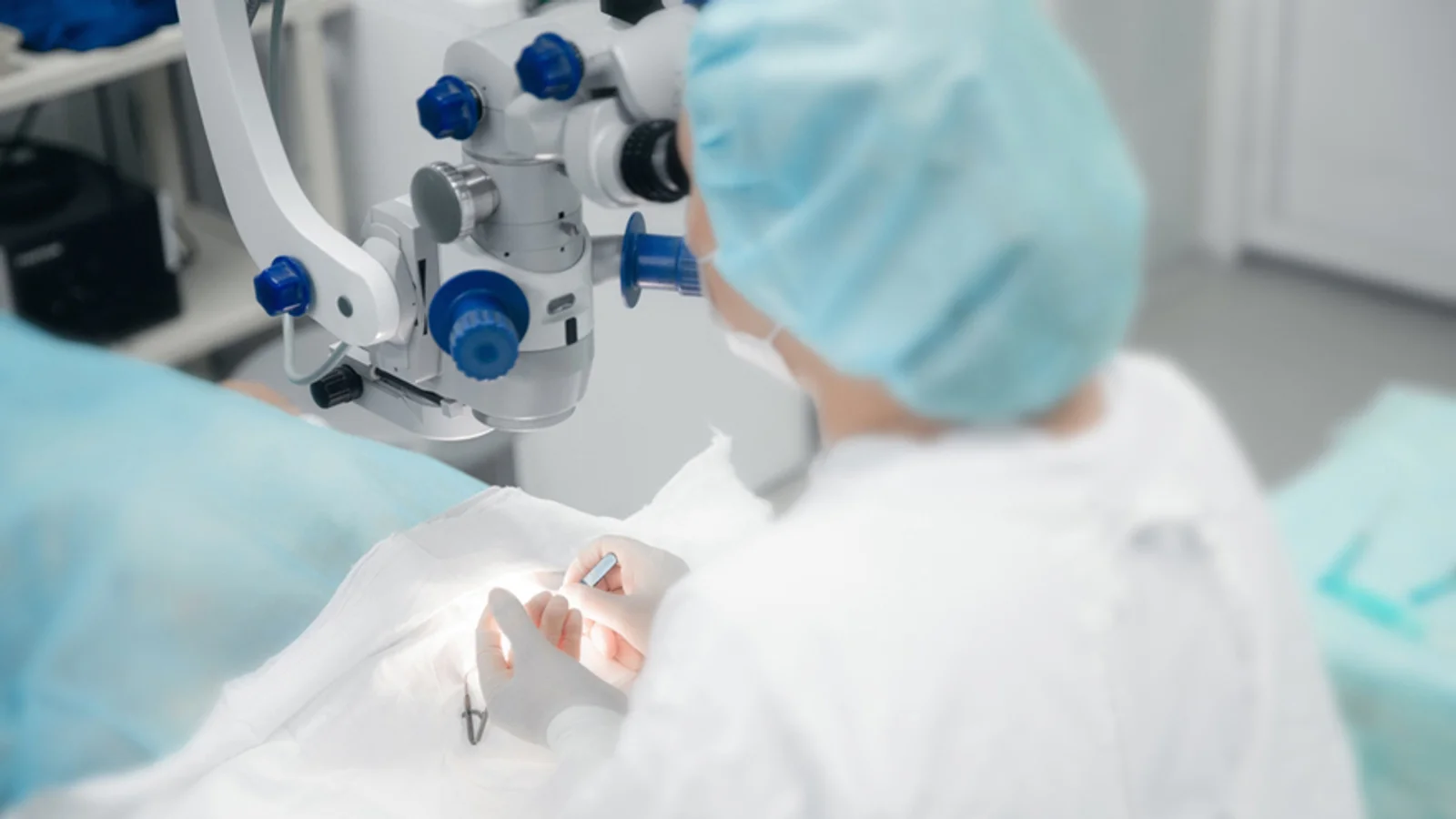
If you're asking, "Why should I care how the flap is made? Aren’t both safe?" — it’s a fair question. And yes, both methods are safe when performed by experienced surgeons using high-quality equipment. But there are real differences in outcomes.
Precision and Consistency
A femtosecond laser allows for near-perfect control over flap thickness, diameter, shape, and hinge position. That kind of precision simply isn’t possible with a mechanical blade. More consistent flaps mean a more stable healing process and a reduced risk of complications.
Lower Risk of Flap-Related Complications
Traditional microkeratomes, while safe, are more likely to create irregular or partial flaps — which can lead to complications like buttonholes, epithelial ingrowth, or displaced flaps. All-Laser LASIK significantly reduces these risks, especially in patients with unique eye shapes or thinner corneas.
Better Suitability for Challenging Eye Anatomy
Some patients, especially those with thinner corneas or irregular topography, may not be ideal candidates for blade-created flaps. The femtosecond laser provides a level of customization that expands eligibility for more patients.
Improved Healing and Comfort
Because the laser flap is smoother and more precise, patients often experience less inflammation, fewer dry eye symptoms, and faster visual recovery. Many people report clearer vision within 24 hours and return to work within a day or two.
Slightly Higher Cost — But With Justification
All-Laser LASIK typically involves more advanced equipment, which can make the procedure slightly more expensive. However, many patients — especially those who value the safest, most advanced approach — find the investment well worth it.
How We Decide Which LASIK Type Fits You
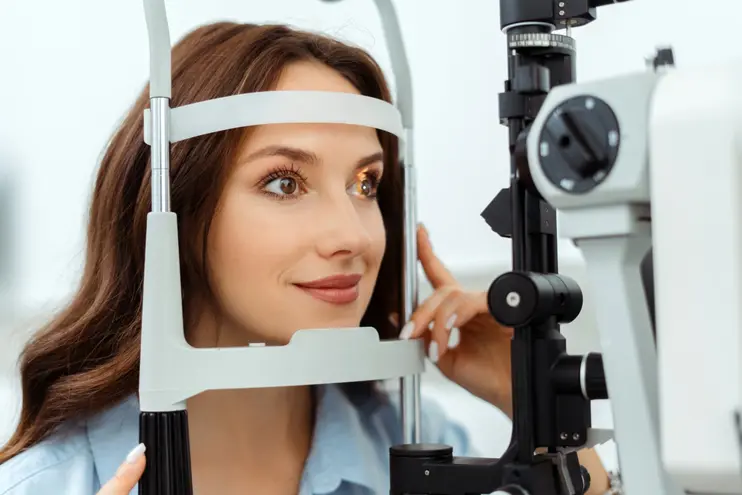
At Global Ubal Eye Center, we don’t take a one-size-fits-all approach. Every patient undergoes a detailed diagnostic process including corneal mapping, pachymetry (measuring corneal thickness), tear film evaluation, and lifestyle assessment. Here’s how we guide the decision:
Corneal Health and Thickness
Patients with thin corneas or mild irregularities often benefit from All-Laser LASIK, thanks to its ability to create thinner, more predictable flaps. We also monitor for keratoconus risk and treat preclinical signs conservatively before proceeding.
Refractive Error and Visual Goals
If your prescription is high or you need precise night vision (e.g., for driving or detailed work), the uniformity of the laser flap can help achieve sharper outcomes. We use wavefront-guided technology in tandem with flap precision to ensure optimal correction.
Lifestyle Considerations
Athletes, travelers, or people in high-risk professions (military, construction, etc.) may lean toward bladeless LASIK because the flaps are less likely to dislodge with trauma.
Budget and Priorities
We always explain the costs and benefits of both methods so patients can choose based on their values — not just the technology. We believe financial transparency is part of ethical medical care.
The Global Ubal Approach: Technology Meets Trust
Conclusion: Your Vision, Your Choice
More Articles
Continue reading our ophthalmology guides and vision care insights.

SMILE vs LASIK: Recovery Benchmarks for Vision Correction Care
South Korea has solidified its position as a global epicenter for ophthalmology, with the domestic LASIK and refractive surgery market projected to reach **USD 167.37 million by 2035**, growing at a steady CAGR of 8.54%.
Learn More

Prevalence of Myopia in Korea: The Value of Dream Lens Therapy
The prevalence of myopia among young people in South Korea has reached critical levels, often described as a "myopia epidemic." According to recent data from the **Korean National Health and Nutrition Examination Survey (KNHANES)**, the prevalence of myopia...
Learn More

Multidisciplinary Care: The Future of Korean Pediatric Eye Clinics
The landscape of pediatric eye care in South Korea is shifting rapidly. With nearly **21.9% of Korean children** estimated to be affected by various visual disorders according to nationwide health screenings, the demand for specialized intervention has never...
Learn More