Comprehensive Eye Care & Vision Correction in Incheon · Multilingual International Concierge
23+ Years Clinical Experience
en-US

Ophthalmology Guide
Strabismus Treatment for Children | Early Diagnosis and Expert Care
Discover how early intervention for strabismus can improve your child’s vision. Learn about symptoms, treatment options, and why Global Ubal Eye Center is the top choice.
Schedule a ConsultationIntroduction: A Parent’s Journey with Strabismus
Imagine your child is struggling to focus on a toy, or perhaps they often squint at the television. As a parent, this might raise concerns, but could these signs indicate something more serious, like strabismus? Strabismus, commonly known as crossed eyes, is a condition that can impact not only a child’s vision but also their self-esteem.
What is Strabismus?
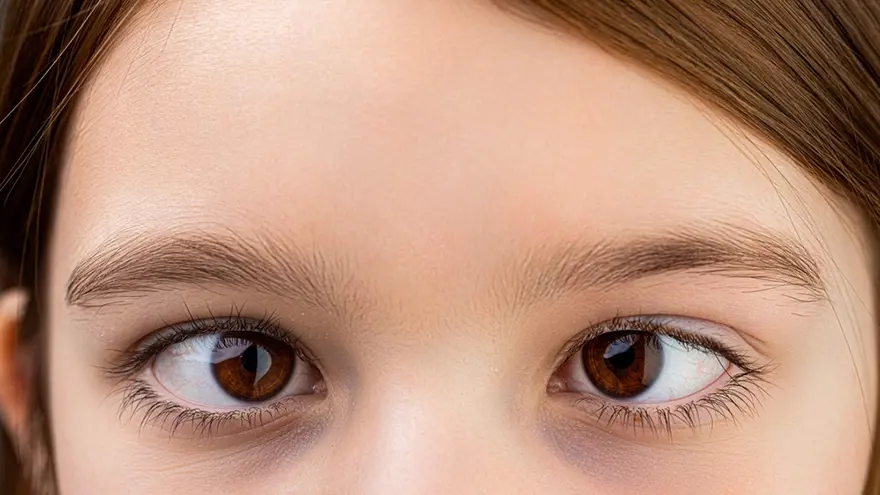
Strabismus occurs when the eyes are not properly aligned, leading to one or both eyes turning in different directions—either inward (esotropia), outward (exotropia), upward (hypertropia), or downward (hypotropia).
Recognizing Strabismus: Signs and Symptoms
As a parent, being vigilant about potential signs of strabismus can help catch the condition early. Here are some of the key symptoms to look out for:
- Squinting or closing one eye: If your child frequently squints or covers one eye when focusing on an object, it could be a sign of misalignment. Squinting helps them compensate for poor coordination between the eyes.
- Head tilting: Children with strabismus might unconsciously tilt their heads to better align their eyes and improve vision. This is often a natural response to visual discomfort.
- Difficulty tracking moving objects: If your child struggles to follow moving objects, like a ball or toy, with both eyes, it could indicate a misalignment of eye muscles.
- Visible eye crossing: One of the most obvious signs is the noticeable turning of one or both eyes inward or outward. If this occurs frequently, it’s time to consult an eye specialist.
Diagnosis of Strabismus: What to Expect
To confirm a diagnosis of strabismus, a pediatric ophthalmologist will conduct a thorough eye examination. Several tests are involved to assess the alignment and coordination of the eyes, such as:
- Cover Test: By covering one eye, the doctor can determine whether the other eye shifts, indicating misalignment.
- Refraction Test: This measures your child’s vision and identifies any refractive errors that may contribute to the misalignment.
- Ocular Motility Test: This test assesses the coordination of eye muscles and helps identify any weaknesses or abnormal movement patterns.
- Stereoacuity Test: This evaluates how well your child perceives depth, which is often impacted by strabismus.
Treatment Options for Strabismus: Beyond Eyeglasses
Once diagnosed, treatment options for strabismus depend on the severity and type of misalignment. Here are the available options:
Non-Surgical Treatments:
- Eyeglasses: Prescription glasses can address refractive errors and help align the eyes.
- Vision Therapy: This structured program includes eye exercises designed to strengthen the muscles and improve coordination.
- Eye Patching: For children with amblyopia, patching the stronger eye forces the brain to use the weaker, misaligned eye, improving its function.
Surgical Treatment:
If non-surgical treatments are insufficient, surgery may be recommended. The goal of strabismus surgery is to correct the muscle imbalances by repositioning the eye muscles. Though minimally invasive, this procedure can have a high success rate, particularly when performed by experienced ophthalmologists, such as those at the Global Ubal Eye Center.
Why Choose Global Ubal Eye Center for Strabismus Treatment?
When selecting a medical center for strabismus treatment, expertise matters. Here’s why the Global Ubal Eye Center is the right choice for your child’s care:
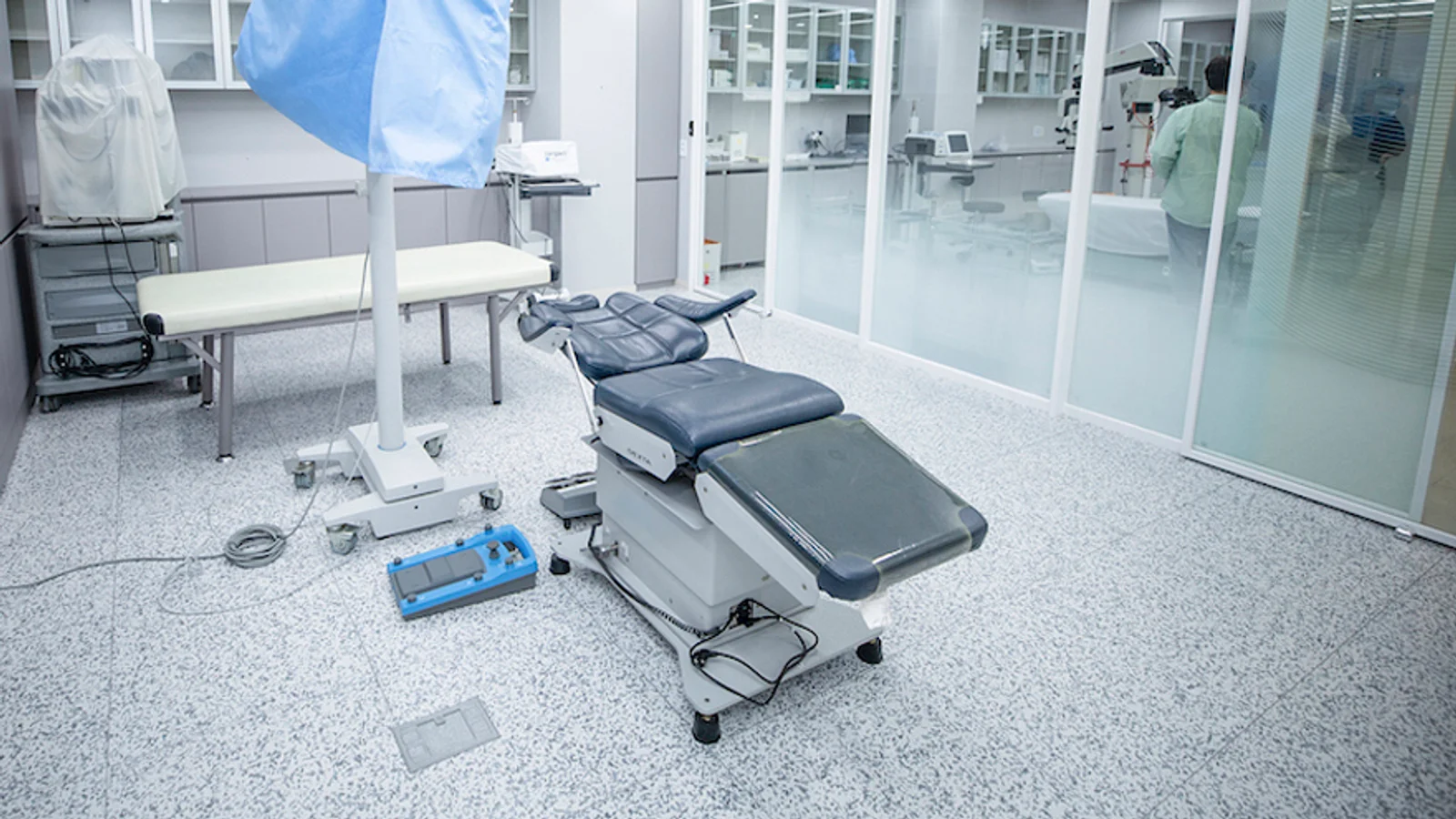
- Expert Care: Led by Dr. Heecheol Bae, MD, PhD, a renowned pediatric ophthalmologist with over 23 years of experience, we provide expert care that ensures optimal outcomes for children with strabismus.
- Advanced Technology: Our state-of-the-art diagnostic and treatment equipment guarantees that each child receives the most effective care.
- Comprehensive Services: From initial consultations to post-surgery follow-ups, we offer a full range of services to ensure your child’s comfort and safety.
- International Support: We offer multilingual services and assist with travel arrangements, making it easy for international families to access world-class care.
The Role of Surgery in Strabismus Treatment
Recovery and Aftercare
Early Intervention: Why It Matters?

Frequently Asked Questions (FAQs)
Conclusion: Ensuring the Best Vision for Your Child
More Articles
Continue reading our ophthalmology guides and vision care insights.

SMILE vs LASIK: Recovery Benchmarks for Vision Correction Care
South Korea has solidified its position as a global epicenter for ophthalmology, with the domestic LASIK and refractive surgery market projected to reach **USD 167.37 million by 2035**, growing at a steady CAGR of 8.54%.
Learn More

Prevalence of Myopia in Korea: The Value of Dream Lens Therapy
The prevalence of myopia among young people in South Korea has reached critical levels, often described as a "myopia epidemic." According to recent data from the **Korean National Health and Nutrition Examination Survey (KNHANES)**, the prevalence of myopia...
Learn More

Multidisciplinary Care: The Future of Korean Pediatric Eye Clinics
The landscape of pediatric eye care in South Korea is shifting rapidly. With nearly **21.9% of Korean children** estimated to be affected by various visual disorders according to nationwide health screenings, the demand for specialized intervention has never...
Learn More