Comprehensive Eye Care & Vision Correction in Incheon · Multilingual International Concierge
23+ Years Clinical Experience
en-US


Ophthalmology Guide
SMILE LASIK Korea 2026: Complete Guide — Global Ubal
Planning SMILE LASIK Korea in 2026? Discover real costs, surgeon credentials, recovery timelines, and how American patients book at Global Ubal Eye Center, Incheon.
Schedule a ConsultationIntroduction
You have spent 14 years paying the daily tax of contact lenses the dry eyes by 3pm, the fogging on travel days, the quiet frustration of something so fundamental requiring constant management.
What Is SMILE LASIK? Korea’s Most Advanced Vision Correction Explained
For any patient who has spent serious time researching vision correction, the fundamental question is not whether SMILE is better than LASIK in general terms — the clinical literature has largely settled that question in favor of SMILE for the right candidate profile.
The Clinical Difference Between SMILE, LASIK, and LASEK
To understand why SMILE LASIK Korea has become the procedure of choice for informed American patients, it is necessary to understand precisely what differentiates the three major laser vision correction approaches at the anatomical level.
| Feature | SMILE | LASIK | LASEK / PRK |
|---|---|---|---|
| Incision Type | 2 to 4mm arc; no flap | Full corneal flap (8 to 9mm) | Surface epithelial removal |
| Corneal Nerve Disruption | ~15 to 20% | ~70% | ~30 to 40% |
| Dry Eye Risk (3 months) | 5 to 10% | 15 to 25% | 10 to 15% |
| Recovery Timeline | 24 to 48 hrs functional | 24 to 48 hrs functional | 3 to 7 days significant discomfort |
| Candidacy Range | Myopia to -10.00D; astigmatism to -5.00D | Myopia to -12.00D; astigmatism to -6.00D | Broader range; thin cornea option |
How SMILE Works Step by Step at Global Ubal Eye Center
Understanding the mechanics of the procedure removes the anxiety that most patients carry from not knowing what is actually happening to their eyes during those 15 minutes in the operating suite. At Global Ubal Eye Center, the SMILE procedure follows this precise sequence.
SMILE PRO Korea — The Next-Generation Upgrade Explained
SMILE PRO is the third-generation evolution of the SMILE platform, and it runs exclusively on the ZEISS VisuMax 800 — the latest iteration of the femtosecond laser system that has defined the SMILE procedure since its international introduction. The upgrades over standard SMILE are not cosmetic refinements; they represent meaningful clinical improvements for specific patient profiles.
| Feature | Standard SMILE | SMILE PRO |
|---|---|---|
| Laser Platform | ZEISS VisuMax 500 | ZEISS VisuMax 800 |
| Laser Delivery Time (per eye) | 23 to 25 seconds | 9 to 10 seconds |
| Eye Tracking | 6-dimensional | 7-dimensional (incl. rotational compensation) |
| Astigmatism Treatment Range | Up to -5.00 D | Up to -5.00 D (extended precision) |
| Optical Zone Design | Standard | Expanded; improved mesopic quality |
| Night Vision Outcomes | Excellent | Superior for higher Rx |
SMILE Surgery Korea Cost — What American Patients Actually Pay in 2026
The cost question is the one most American patients approach with the most skepticism — and justifiably so. The online landscape of SMILE surgery Korea cost information is littered with single-number estimates that omit what is included, ignore what the all-in trip actually costs, and make no honest comparison to the structural differences in US clinic pricing.
SMILE Surgery Korea Cost — Procedure Pricing at Global Ubal Eye Center
The following table reflects Global Ubal Eye Center’s 2026 pricing for international patients, with explicit detail on what each price includes. There are no package tiers designed to obscure the real cost — every line item below is what you will see on your written quote before you book anything.
| Procedure | Both Eyes (USD est.) | What Is Included |
|---|---|---|
| SMILE (Standard) | $1,900 to $2,600 | Pre-op diagnostic testing, surgeon fee, procedure, 1-day post-op follow-up, 2-week eye drop kit, virtual follow-up access |
| SMILE PRO | $2,900 to $3,800 | All of above + ZEISS VisuMax 800 platform, 7D eye tracking |
| LASIK (Custom Wavefront) | $1,400 to $2,000 | Pre-op diagnostic testing, surgeon fee, procedure, 1-day post-op follow-up, 2-week eye drop kit |
| LASEK | $1,200 to $1,800 | Pre-op diagnostic testing, surgeon fee, procedure, extended follow-up schedule |
SMILE Cost in Korea vs US Cities — The Real Comparison
Comparing SMILE surgery Korea cost to US alternatives requires one important honest acknowledgment: US LASIK and SMILE pricing at reputable clinics typically includes 12 months of post-operative follow-up visits and, in many cases, one enhancement procedure within the first year if results fall outside target. This is a genuine structural inclusion that Korean pricing does not replicate in the same form.
| City | SMILE Cost (Both Eyes, USA — 12-Month Package) | Global Ubal Eye Center | Net Savings |
|---|---|---|---|
| New York City | $4,200 to $6,500 | $1,900 to $2,600 | $2,300 to $3,900 |
| Los Angeles | $4,000 to $6,000 | $1,900 to $2,600 | $2,100 to $3,400 |
| Chicago | $3,800 to $5,800 | $1,900 to $2,600 | $1,900 to $3,200 |
| Houston | $3,500 to $5,500 | $1,900 to $2,600 | $1,600 to $2,900 |
| Phoenix | $3,200 to $5,200 | $1,900 to $2,600 | $1,300 to $2,600 |
| Cost Item | Low Range | High Range | Notes |
|---|---|---|---|
| Round-trip flight (JFK to ICN, economy) | $800 | $1,400 | Varies by season and booking window |
| Hotel (4 nights, near clinic) | $320 | $600 | $80 to $150/night; recovery-appropriate properties available |
| Meals (5 days) | $150 | $300 | $30 to $60/day; Incheon has extensive affordable food options |
| Post-op medications (beyond kit) | $0 | $80 | Kit covers 2 weeks; only additional prescription lubricants if needed |
| Airport transfers (x2) | $20 | $40 | Taxi or Kakao T from ICN to clinic |
| Total Trip Cost (excl. surgery) | $1,290 | $2,420 |
Are You a Candidate? SMILE Eligibility at Global Ubal Eye Center

| Criterion | Eligible Range | Notes |
|---|---|---|
| Age | 18 to 45 (standard); up to 50 assessed case-by-case | Prescription must be stable; older patients assessed for early presbyopia |
| Myopia | Up to approximately -10.00 D | SMILE PRO extends effective treatment range for select higher prescriptions |
| Astigmatism | Up to approximately -5.00 D | SMILE PRO provides improved precision at higher astigmatism levels |
| Corneal Thickness | Minimum ~480 to 500 microns residual post-ablation | Assessed with high-resolution topography on arrival |
| Prescription Stability | No change greater than 0.50 D in the preceding 12 months | Assessed from shared prescription history during remote pre-screening |
| Ocular Health | No active keratoconus, pellucid marginal degeneration, uncontrolled autoimmune conditions, or active corneal infection | Comprehensive assessment performed on arrival |
SMILE Recovery Timeline — Flying Home, Screen Work, and Getting Back to Life
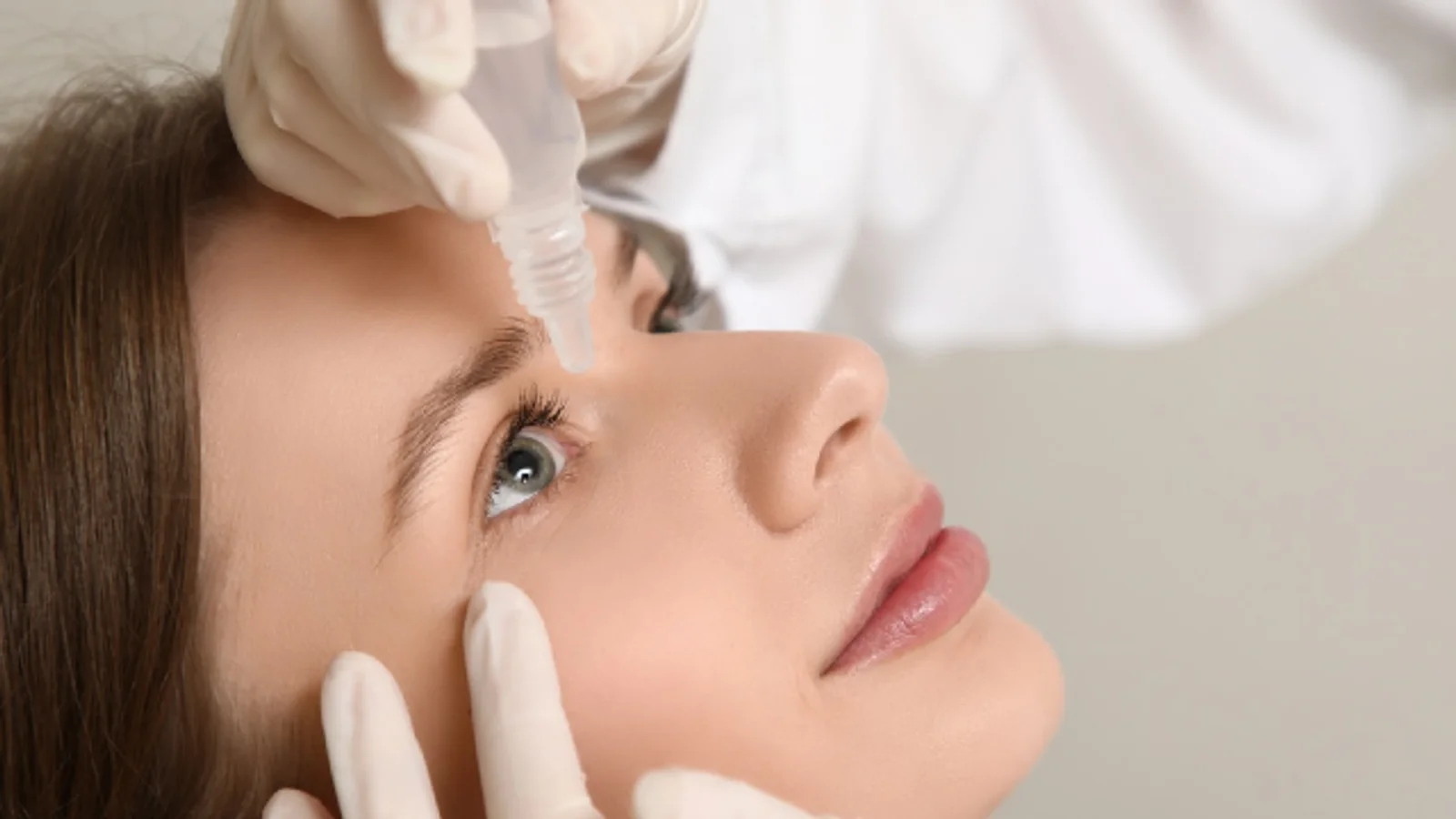
| Activity | When Permitted Post-SMILE | Notes |
|---|---|---|
| Light screen use (reading, email) | Day 2 to 3 | Lubricating drops every 2 hours |
| Full-intensity extended screen work | Day 5 to 7 | As tolerated; drops as needed |
| Walking / light movement | Day 2 | Sun protection required |
| Light cardio (stationary cycling, walking) | Week 2 | No sweating into eyes |
| Outdoor cycling, gym workouts | Week 3 to 4 | Protective eyewear recommended |
| Swimming (goggles) | Week 4 to 6 | No open water; pool first |
Why Choose Global Ubal Eye Center for SMILE Surgery Korea
How to Book Your SMILE Surgery at Global Ubal Eye Center
Frequently Asked Questions
Conclusion
More Articles
Continue reading our ophthalmology guides and vision care insights.

SMILE vs LASIK: Recovery Benchmarks for Vision Correction Care
South Korea has solidified its position as a global epicenter for ophthalmology, with the domestic LASIK and refractive surgery market projected to reach **USD 167.37 million by 2035**, growing at a steady CAGR of 8.54%.
Learn More

Prevalence of Myopia in Korea: The Value of Dream Lens Therapy
The prevalence of myopia among young people in South Korea has reached critical levels, often described as a "myopia epidemic." According to recent data from the **Korean National Health and Nutrition Examination Survey (KNHANES)**, the prevalence of myopia...
Learn More

Multidisciplinary Care: The Future of Korean Pediatric Eye Clinics
The landscape of pediatric eye care in South Korea is shifting rapidly. With nearly **21.9% of Korean children** estimated to be affected by various visual disorders according to nationwide health screenings, the demand for specialized intervention has never...
Learn More