Comprehensive Eye Care & Vision Correction in Incheon · Multilingual International Concierge
23+ Years Clinical Experience
en-US


Ophthalmology Guide
Signs and Treatment Options for Macular Degeneration
Learn how to spot early signs of macular degeneration and discover treatment options that can preserve your vision. Expert care at Global Ubal Eye Center.
Schedule a ConsultationUnderstanding Macular Degeneration: A Growing Health Concern
Macular degeneration is one of the leading causes of vision loss in older adults. Affecting millions worldwide, it primarily targets the macula, the part of the retina responsible for clear, central vision. With age being the biggest risk factor, macular degeneration often begins silently, gradually impairing tasks like reading, driving, and recognizing faces.
What is the Macula and Why Does It Matter?
The macula, a small, specialized area located at the center of the retina, is essential for tasks that demand sharp vision. It allows us to see fine details, like reading small print or recognizing faces. When the macula deteriorates, it leads to blurred or distorted vision, making once-simple tasks challenging.
Identifying the Early Signs of Macular Degeneration
In the early stages, macular degeneration may not produce noticeable symptoms. However, some subtle visual changes can be signs of the disease’s onset:
- Blurred or distorted central vision: If objects you’re focused on appear blurry, or if lines seem wavy, this may signal the early stages of macular degeneration. Straight lines—like those in a grid—can appear bent, a symptom often detected using an Amsler grid.
- Dark spots or blank spots: Central vision may start to feel "empty" in spots, or you may notice dark patches that obscure your view of faces or text.
- Difficulty seeing in dim light: If you find it increasingly hard to adjust to low-light settings, it could indicate that the macula is deteriorating.
Understanding Risk Factors: Who is Most at Risk?

While age is the most significant risk factor, several other elements can increase your chances of developing macular degeneration:
- Age: Those over the age of 50, especially over 65, are at a higher risk. The risk increases further with advancing age.
- Genetics: If you have a family history of macular degeneration, your chances of developing the condition rise significantly.
- Lifestyle Choices: Smoking significantly accelerates macular degeneration’s progression. A poor diet, particularly one low in antioxidants, can also contribute to the development of the disease.
- Ethnicity: Studies show that Caucasians, particularly those with lighter eye colors, are more prone to AMD.
- Chronic Conditions: High blood pressure, cardiovascular disease, and obesity are linked to an increased risk of developing macular degeneration.
Advances in Treatment and Lifestyle Adjustments for Macular Degeneration
While there is no cure for macular degeneration, recent advancements in treatment have significantly improved outcomes, especially when detected early. Treatment can range from medical interventions to lifestyle changes:
- Medical Treatments for Wet AMD: The most significant advancements in treating wet AMD include anti-VEGF injections that help reduce abnormal blood vessel growth. These injections can prevent further vision loss and sometimes even improve vision in patients with wet AMD.
- Photodynamic Therapy: This method uses a light-activated drug and laser to destroy abnormal blood vessels in the retina.
- Nutritional Supplements: For dry AMD, supplements like the AREDS2 formula, which contains high doses of vitamins C and E, zinc, lutein, and zeaxanthin, have been shown to slow disease progression.
Healthy Lifestyle Choices to Slow Disease Progression

In addition to medical treatments, lifestyle changes play an essential role in managing macular degeneration:
- A Balanced Diet: A diet rich in antioxidants, such as leafy greens, citrus fruits, and omega-3 fatty acids from fish like salmon and tuna, supports eye health and helps slow degeneration. The AREDS2 formula, a supplement rich in eye-healthy nutrients, is often recommended for those at risk of AMD.
- UV Protection: Protecting your eyes from harmful UV rays is critical. Wearing sunglasses that block 100% of UVA and UVB rays can prevent further damage to the retina.
- Regular Exercise: Keeping physically active and maintaining a healthy weight reduces the risk of macular degeneration and other health issues, improving overall well-being.
- Quitting Smoking: Smokers are twice as likely to develop AMD as non-smokers. Quitting smoking can slow the progression of the disease and significantly improve eye health.
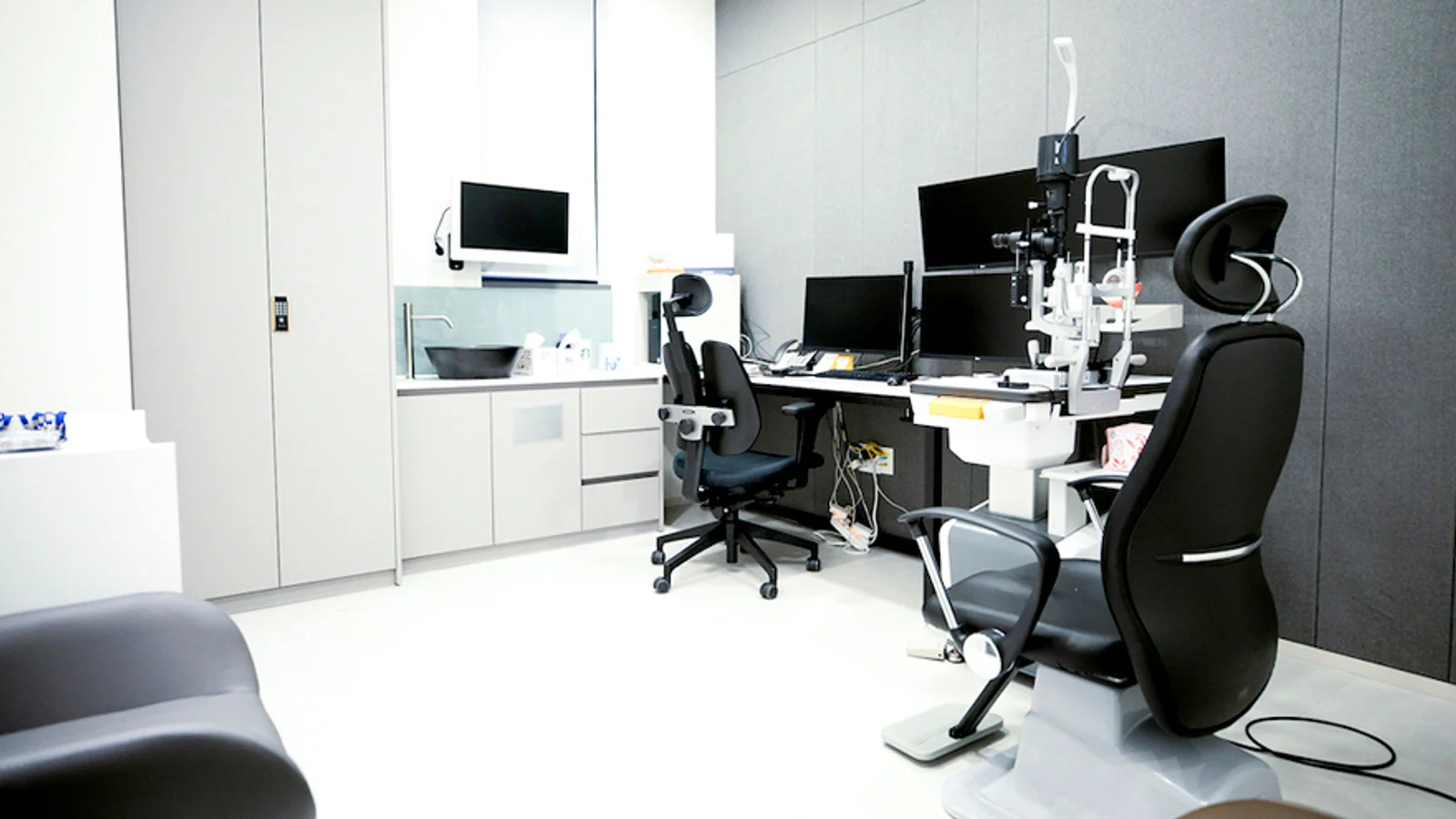
The Global Ubal Eye Center Approach: Expert Care and Cutting-Edge Technology
Conclusion: Protect Your Vision with Early Intervention
More Articles
Continue reading our ophthalmology guides and vision care insights.

SMILE vs LASIK: Recovery Benchmarks for Vision Correction Care
South Korea has solidified its position as a global epicenter for ophthalmology, with the domestic LASIK and refractive surgery market projected to reach **USD 167.37 million by 2035**, growing at a steady CAGR of 8.54%.
Learn More

Prevalence of Myopia in Korea: The Value of Dream Lens Therapy
The prevalence of myopia among young people in South Korea has reached critical levels, often described as a "myopia epidemic." According to recent data from the **Korean National Health and Nutrition Examination Survey (KNHANES)**, the prevalence of myopia...
Learn More

Multidisciplinary Care: The Future of Korean Pediatric Eye Clinics
The landscape of pediatric eye care in South Korea is shifting rapidly. With nearly **21.9% of Korean children** estimated to be affected by various visual disorders according to nationwide health screenings, the demand for specialized intervention has never...
Learn More