Comprehensive Eye Care & Vision Correction in Incheon · Multilingual International Concierge
23+ Years Clinical Experience
en-US

Ophthalmology Guide
Should You Choose Premium Cataract Lenses Over Standard Lenses?
Discover the difference between premium and standard cataract lenses. Learn which option offers clearer vision, better focus, and long-term value.
Schedule a ConsultationIntroduction: Vision as a Choice, Not Just a Treatment
There’s something quietly unsettling about realizing the world looks dimmer than it used to. The streetlights feel too bright, the print on a book seems smaller than before, and faces lose their familiar clarity. For many people, that change begins with cataracts — a natural clouding of the eye’s lens that comes with time.
What Happens During Cataract Surgery — and Why Lens Choice Matters
Cataracts occur when the natural crystalline lens inside your eye becomes cloudy, scattering light instead of focusing it clearly on the retina. This leads to blurred, dim, or yellow-tinted vision that gradually interferes with daily life.
Standard Cataract Lenses: Reliable, Simple, and Proven
What They Are
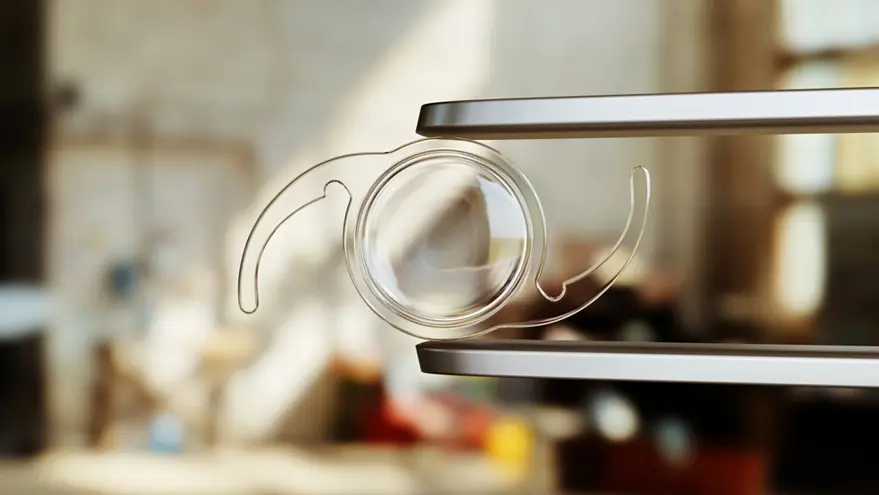
The standard lens — known as a monofocal IOL — has been used safely for decades. It’s designed to provide clear vision at one focal point, usually distance. After surgery, most patients see well for driving, watching TV, or outdoor activities. However, they’ll still need reading glasses for close-up tasks.
Advantages
- Excellent distance clarity: Crisp focus for far vision.
- Highly predictable results: Time-tested optical design.
- Insurance coverage: Typically covered by Korean and international health plans.
- Compatible with other eye conditions: A good option for patients with glaucoma, diabetic retinopathy, or retinal disease.
Limitations
- No correction for presbyopia (age-related near-vision loss).
- Does not correct astigmatism (uneven corneal curvature).
- Glasses are still needed for reading or intermediate distances.
Premium Cataract Lenses: A Step Toward Visual Independence
What Makes a Lens “Premium”?
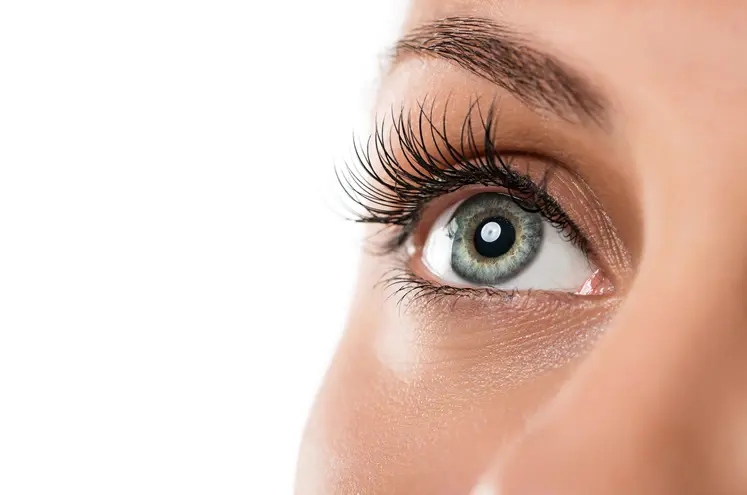
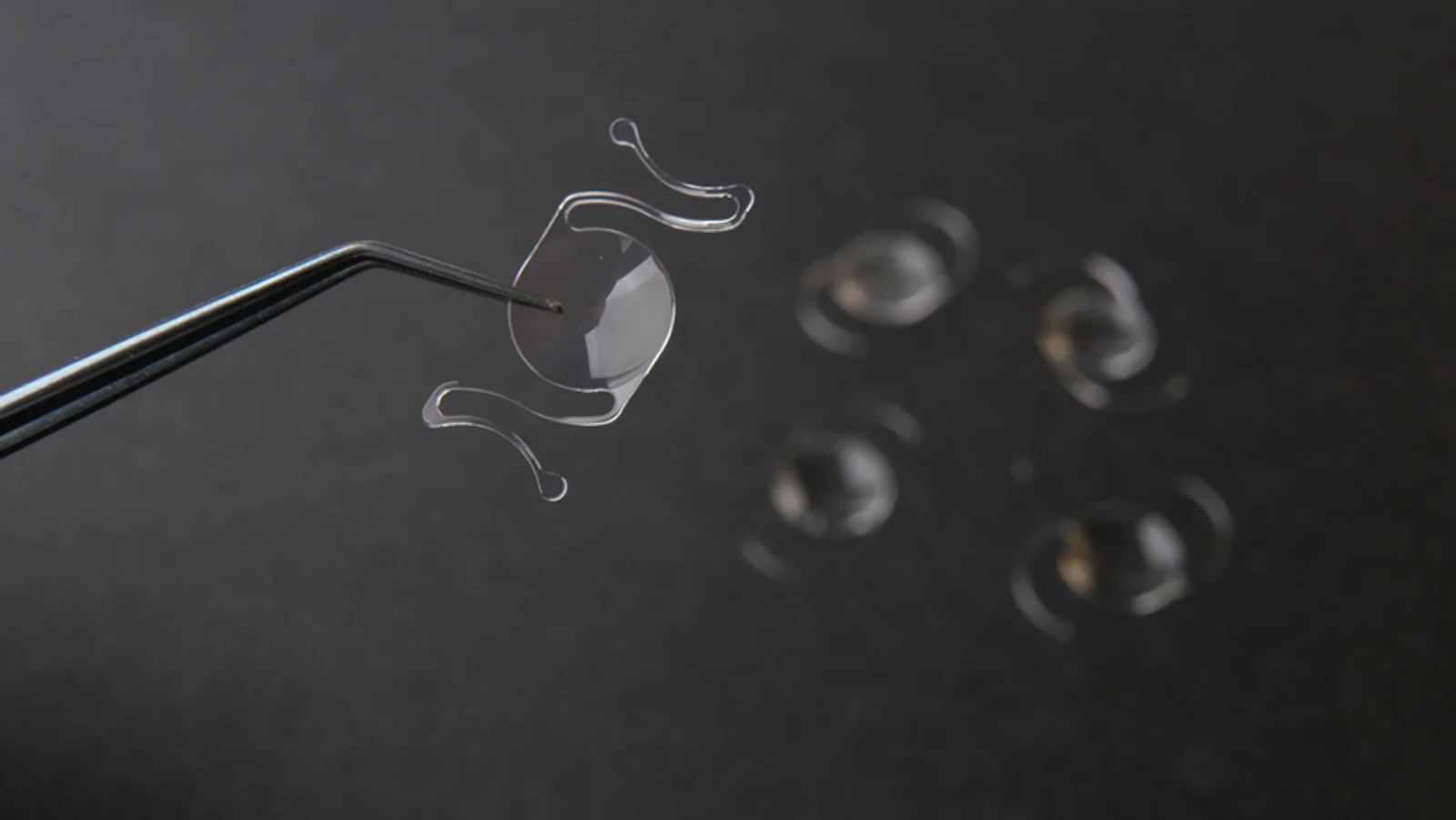
Premium IOLs go beyond simply restoring clarity. They’re designed to correct multiple vision issues — such as astigmatism and presbyopia — providing a broader, more natural range of sight.
Toric IOLs – For Astigmatism
If your cornea isn’t perfectly round, light focuses unevenly, causing blurred or distorted vision. A toric lens corrects that irregularity, producing sharper, more stable vision without glasses.
Multifocal and Trifocal IOLs – For All-Distance Vision
These lenses contain multiple optical zones that focus light at near, intermediate, and far distances. The result: clear vision across a range of activities — reading, computer work, driving, and everything in between.
EDOF (Extended Depth of Focus) Lenses – Seamless Clarity
EDOF lenses create a continuous range of focus rather than separate zones. They’re ideal for patients who want excellent distance and intermediate vision (like for computer use) with minimal night-time halos.
Light Adjustable Lenses – Personalized After Surgery
The latest in IOL innovation, Light Adjustable Lenses (LAL) can be fine-tuned after surgery using controlled UV light adjustments. This allows your surgeon to “custom fit” your vision based on real-world results.
Why Many Patients Choose Premium Lenses
Every patient’s motivation is unique, but the common themes we hear are:
- “I don’t want to rely on glasses anymore.”
- “I want to read and drive without switching lenses.”
- “I’m active — I play golf, travel, and spend time outdoors.”
- “If this is a once-in-a-lifetime surgery, I want the best option.”
What People Often Overlook About Premium Lenses
To be fully informed, it’s important to understand what premium lenses can — and cannot — do.
1. Eye Health Comes First
Not everyone is a candidate. Patients with significant retinal disease, macular degeneration, or severe glaucoma may not benefit fully from premium IOLs. At Global Ubal Eye Center, we conduct advanced imaging and diagnostic scans before making any recommendation.
2. Nighttime Adaptation
Some premium lenses (especially multifocal or trifocal types) may initially cause halos or glare around lights at night. These effects usually fade as the brain adjusts, but patients who drive frequently at night should discuss this in detail.
How Global Ubal Eye Center Helps You Decide
The Power of Laser-Assisted Cataract Surgery
After Surgery: Healing, Clarity, and Care
Conclusion: Seeing Clearly, Living Fully
More Articles
Continue reading our ophthalmology guides and vision care insights.

SMILE vs LASIK: Recovery Benchmarks for Vision Correction Care
South Korea has solidified its position as a global epicenter for ophthalmology, with the domestic LASIK and refractive surgery market projected to reach **USD 167.37 million by 2035**, growing at a steady CAGR of 8.54%.
Learn More

Prevalence of Myopia in Korea: The Value of Dream Lens Therapy
The prevalence of myopia among young people in South Korea has reached critical levels, often described as a "myopia epidemic." According to recent data from the **Korean National Health and Nutrition Examination Survey (KNHANES)**, the prevalence of myopia...
Learn More

Multidisciplinary Care: The Future of Korean Pediatric Eye Clinics
The landscape of pediatric eye care in South Korea is shifting rapidly. With nearly **21.9% of Korean children** estimated to be affected by various visual disorders according to nationwide health screenings, the demand for specialized intervention has never...
Learn More