Comprehensive Eye Care & Vision Correction in Incheon · Multilingual International Concierge
23+ Years Clinical Experience
en-US

Ophthalmology Guide
Ready for Presbyopia Correction? Treatment Options Explained
Discover effective presbyopia correction options, from lenses to surgery. Learn which treatment suits you best and take the first step today!
Schedule a ConsultationIntroduction
There’s a moment many of us remember vividly: holding a restaurant menu at arm’s length, squinting, laughing it off, but quietly realizing something has changed. This is often the first sign of presbyopia, the age-related decline in near vision that affects nearly everyone past their 40s.
Understanding Presbyopia: More Than Just "Old Eyes"
Presbyopia typically begins to appear in your early to mid-40s. The crystalline lens in the eye, once flexible and responsive, gradually stiffens with age, making it harder to focus on near objects. This leads to blurred vision when reading, using smartphones, or doing close-up work.
Why Presbyopia Is More Frustrating Than Expected
Nearsightedness or farsightedness usually develops earlier in life and can be corrected with a straightforward prescription. Presbyopia is more personal. It tends to show up at the exact time when people are at the peak of their careers, active in their families, and engaged in daily digital life.
Non-Surgical Options: Where Most People Start
Reading Glasses
The simplest solution remains reading glasses. Affordable, accessible, and effective, they can be picked up at a pharmacy or custom-made by an optometrist. But for patients who dislike carrying multiple pairs, or who often misplace them, glasses can quickly become a burden.
Bifocals and Progressive Lenses
For those already wearing prescription glasses, bifocals or progressive lenses provide a seamless way to combine distance and near correction in a single pair. Progressives, in particular, are popular among professionals who don’t want the visible line of bifocals.
Contact Lenses (Including Multifocal and Monovision)
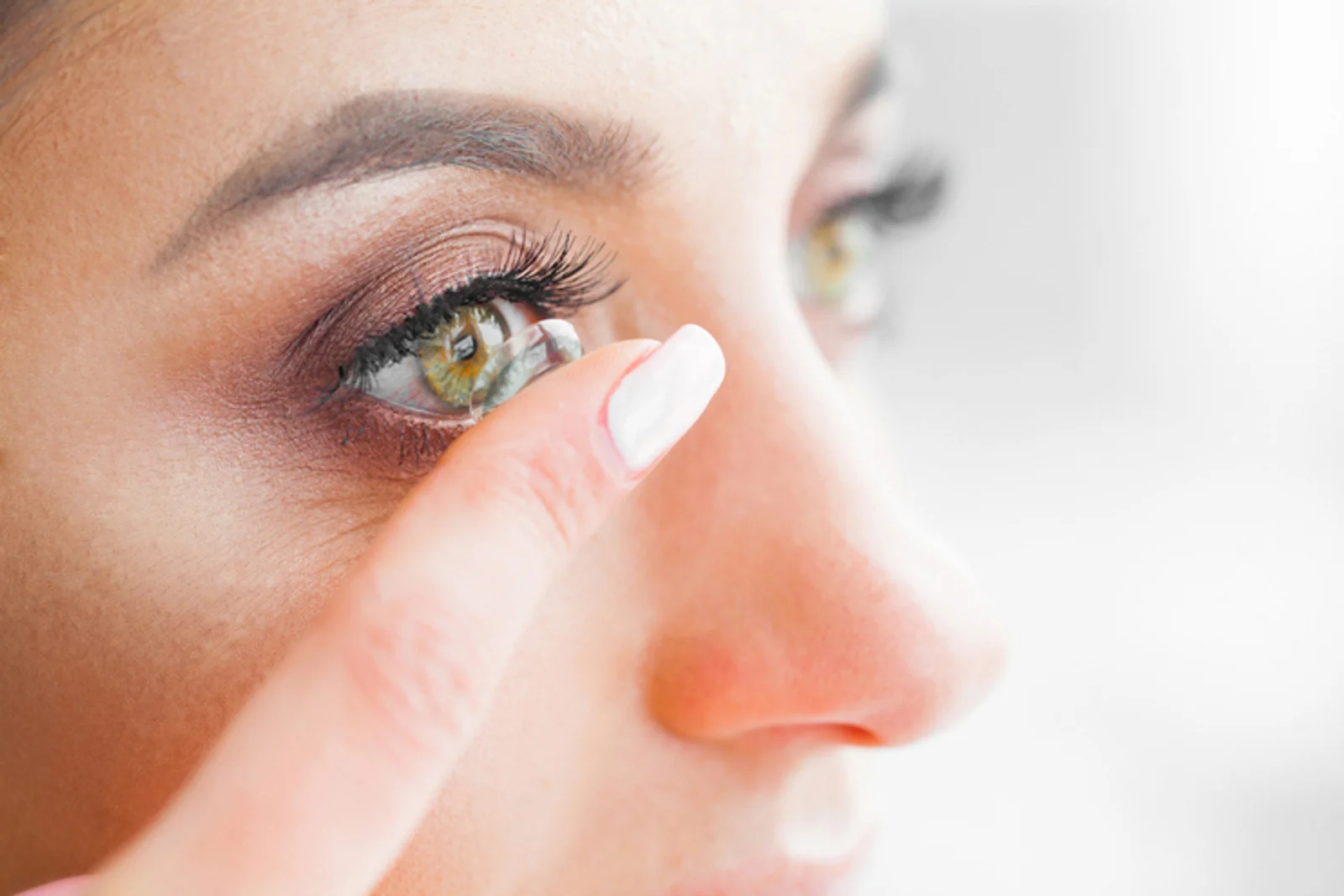
Contact lens technology has advanced dramatically. Multifocal contact lenses distribute different powers across the lens, allowing the brain to adapt and switch focus naturally. Another method, called monovision, corrects one eye for distance and the other for near vision. Not everyone adapts comfortably to monovision, but for the right patient, it can feel liberating.
Surgical Options: For Long-Term Freedom
When glasses and contacts are no longer convenient or desirable, surgery becomes a compelling choice. These procedures aim to restore functional near vision while maintaining or improving distance clarity.
LASIK or LASEK for Presbyopia
LASIK and LASEK reshape the cornea to correct refractive errors. For presbyopia, specialized techniques like PresbyLASIK or monovision LASIK can help restore near vision.
- PresbyLASIK creates a multifocal corneal surface, mimicking the effect of multifocal glasses.
- Monovision LASIK corrects one eye for distance and one for near vision.
Corneal Inlays
Corneal inlays are small implants inserted into the cornea of the non-dominant eye. They function like a tiny magnifier, improving near vision. Popular inlays like Kamra and Raindrop have had varied success, and some have been discontinued due to long-term complications.
Refractive Lens Exchange (RLE)
Also known as clear lens extraction, RLE involves replacing the natural lens with an artificial intraocular lens (IOL), similar to cataract surgery. This is ideal for patients over 50 who may not yet have cataracts but want a permanent solution to presbyopia.
- Multifocal IOLs provide multiple points of focus.
- Extended Depth-of-Focus (EDOF) IOLs stretch focus across a range, reducing halos and glare.
Cataract Surgery with Presbyopia Correction
For those already developing cataracts, combining cataract surgery with a presbyopia-correcting IOL is often the most efficient solution. At Global Ubal Eye Center, we use laser-assisted cataract surgery and top-tier IOLs to restore youthful vision and eliminate the need for glasses in many cases.
Choosing the Right Option: It’s Personal

The best correction method for presbyopia depends on several factors:
- Age and lens condition
- Daily visual demands (e.g., reading, driving, computer work)
- Tolerance for visual compromise (some lenses may cause halos or glare)
- Eye health (dry eye, glaucoma, retinal conditions)
Living with Presbyopia: Beyond the Technical
Final Thoughts: Start with a Conversation
More Articles
Continue reading our ophthalmology guides and vision care insights.

SMILE vs LASIK: Recovery Benchmarks for Vision Correction Care
South Korea has solidified its position as a global epicenter for ophthalmology, with the domestic LASIK and refractive surgery market projected to reach **USD 167.37 million by 2035**, growing at a steady CAGR of 8.54%.
Learn More

Prevalence of Myopia in Korea: The Value of Dream Lens Therapy
The prevalence of myopia among young people in South Korea has reached critical levels, often described as a "myopia epidemic." According to recent data from the **Korean National Health and Nutrition Examination Survey (KNHANES)**, the prevalence of myopia...
Learn More

Multidisciplinary Care: The Future of Korean Pediatric Eye Clinics
The landscape of pediatric eye care in South Korea is shifting rapidly. With nearly **21.9% of Korean children** estimated to be affected by various visual disorders according to nationwide health screenings, the demand for specialized intervention has never...
Learn More