Comprehensive Eye Care & Vision Correction in Incheon · Multilingual International Concierge
23+ Years Clinical Experience
en-US

Ophthalmology Guide
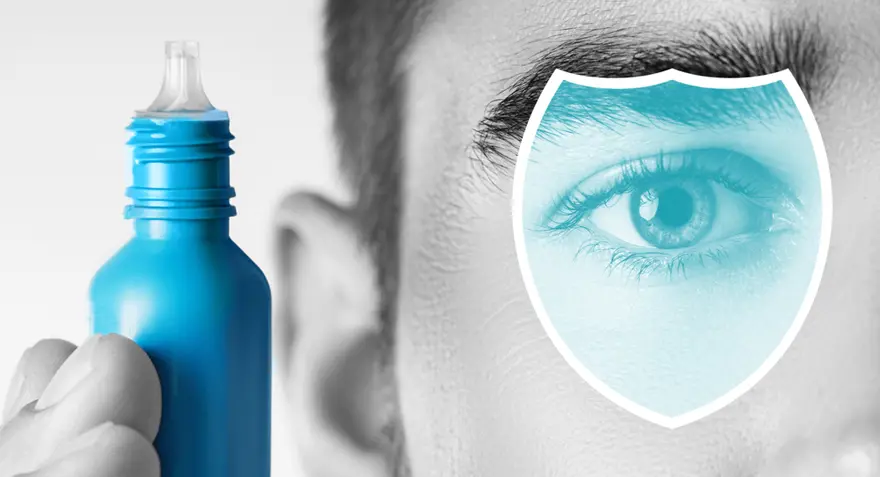
Protecting Your Eyes from Dryness with Simple Daily Habits
Discover simple daily habits for protecting your eyes from dryness. Improve comfort, prevent irritation, and keep your vision healthy. Learn more today!
Schedule a ConsultationIntroduction: The Silent Discomfort of Modern Eyes
It often starts subtly — a faint scratchiness in the eyes after a few hours at the computer, or a mild burning sensation when driving home late at night.
Why Dry Eyes Are More Common Than Ever
Screens Dominate Our Days
The reality is unavoidable: our eyes are living in the digital age. From morning emails to evening entertainment, screens occupy more of our attention than ever. When we stare at digital devices, our blink rate drops dramatically — sometimes to less than half the normal rate. This reduction interrupts the even distribution of tears across the eye’s surface, leading to faster evaporation and dryness.
Environmental Factors
Air conditioning in summer, heated rooms in winter, and the dry air of airplanes — all of these environments strip moisture from our eyes. Even in Korea, where seasonal changes are sharp, many patients experience worsened dryness during both hot summers and cold winters. Spring pollen and fine dust also irritate the ocular surface, compounding dryness with allergy-like symptoms.
Natural Aging and Hormonal Shifts
As we age, tear production decreases naturally. Women, especially during and after menopause, are more susceptible to dry eyes due to hormonal fluctuations. Many middle-aged patients describe how they suddenly need reading glasses and notice dryness at the same time — two changes that can feel overwhelming when they appear together.
Contact Lenses and Vision Correction
While contact lenses and LASIK/LASEK have transformed vision care, they can also alter the tear film. Without proper guidance and aftercare, patients may experience dryness that interferes with the comfort and clarity these treatments are meant to provide. At Global Ubal Eye Center, we carefully monitor post-surgery patients for dryness and teach lens wearers healthy routines to minimize irritation.
Subtle Signs You Shouldn’t Ignore
Dry eyes are not always dramatic, but the symptoms can be surprisingly disruptive. Patients commonly describe:
- A sensation of grit or sand in the eyes
- Stinging or burning, especially at night
- Fluctuating or blurred vision that clears after blinking
- Difficulty reading for long periods
- Heightened sensitivity to smoke, wind, or dry air
Daily Habits to Protect and Soothe Your Eyes

The best defense against dry eyes often begins not with medicine, but with consistent, mindful routines. Here are the habits we recommend most often at Global Ubal Eye Center:
Blink with Intention
Conscious blinking can make a world of difference. Try the 20-20-20 rule: every 20 minutes, look at something 20 feet away and blink slowly 20 times. This not only relaxes your eye muscles but also helps restore the protective tear layer.
Adjust Your Workspace
- Keep your monitor slightly below eye level, so your eyelids cover more of your eye surface.
- Avoid direct airflow from air conditioners or heaters.
- Use a small humidifier near your workspace, especially during winter.
Stay Hydrated
The body’s hydration directly influences tear production. Drink plenty of water throughout the day, and be mindful that excess caffeine or alcohol can have dehydrating effects.
Support Your Eyes with Nutrition
Omega-3 fatty acids, found in fish like salmon and mackerel, as well as walnuts and flaxseed, have been linked to better tear quality. A balanced diet can play an unseen but powerful role in eye comfort.
Practice Eyelid Hygiene
Warm compresses and gentle eyelid massages can help unclog the oil-producing meibomian glands. This supports a healthy tear film by reducing evaporation. Many patients are surprised at how soothing this practice feels — it’s often compared to a spa treatment for the eyes.
Use Artificial Tears Wisely
Artificial tears are useful, but not all drops are created equal. Preservative-free formulations are often safer for long-term use, preventing further irritation. Using them at set intervals (instead of only when symptoms flare) can also help maintain consistent eye comfort.
When Habits Are Not Enough
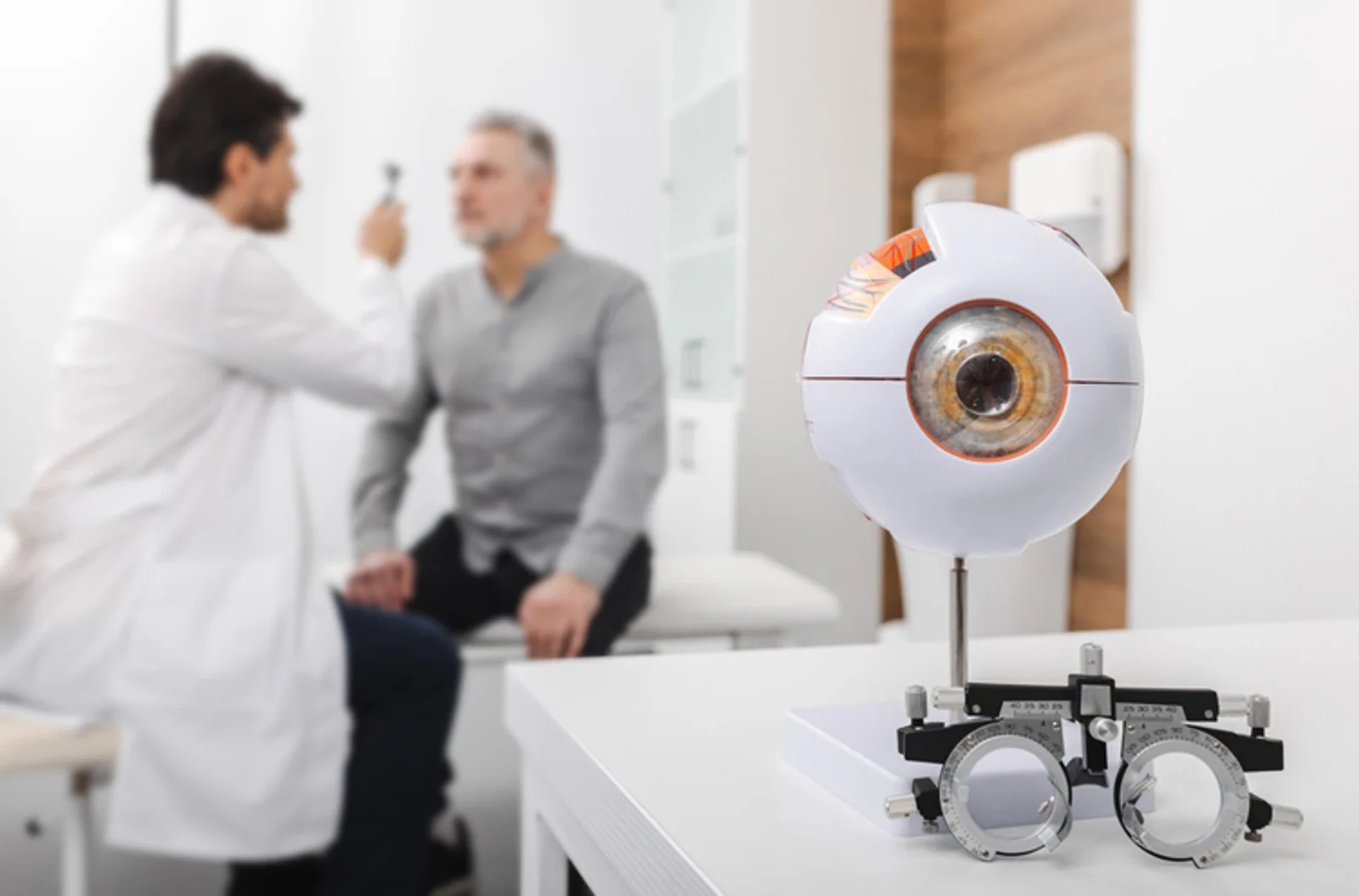
For some patients, especially those with autoimmune conditions, significant meibomian gland dysfunction, or a history of refractive surgery, lifestyle adjustments may not be sufficient. Professional evaluation becomes essential. Dry eye disease is not a single condition but a complex interaction of tear production, tear quality, and ocular surface health.
Why Early Care Protects Your Future Vision
Conclusion: Small Steps, Lasting Comfort
More Articles
Continue reading our ophthalmology guides and vision care insights.

SMILE vs LASIK: Recovery Benchmarks for Vision Correction Care
South Korea has solidified its position as a global epicenter for ophthalmology, with the domestic LASIK and refractive surgery market projected to reach **USD 167.37 million by 2035**, growing at a steady CAGR of 8.54%.
Learn More

Prevalence of Myopia in Korea: The Value of Dream Lens Therapy
The prevalence of myopia among young people in South Korea has reached critical levels, often described as a "myopia epidemic." According to recent data from the **Korean National Health and Nutrition Examination Survey (KNHANES)**, the prevalence of myopia...
Learn More

Multidisciplinary Care: The Future of Korean Pediatric Eye Clinics
The landscape of pediatric eye care in South Korea is shifting rapidly. With nearly **21.9% of Korean children** estimated to be affected by various visual disorders according to nationwide health screenings, the demand for specialized intervention has never...
Learn More