Comprehensive Eye Care & Vision Correction in Incheon · Multilingual International Concierge
23+ Years Clinical Experience
en-US

Ophthalmology Guide
Protect Your Eyes from Dryness with Simple Daily Habits
Protect your eyes from dryness with simple daily habits that work. Discover easy tips for lasting eye comfort and health. Start your routine today!
Schedule a ConsultationIntroduction

Dry eye isn't just a nuisance — it's one of the most common and underestimated eye conditions affecting people today. And as ophthalmologists, we've seen how it can quietly erode your quality of life. From blurry vision during a morning commute to burning sensations during an afternoon Zoom meeting, dry eye doesn't discriminate.
What Is Dry Eye, Really?
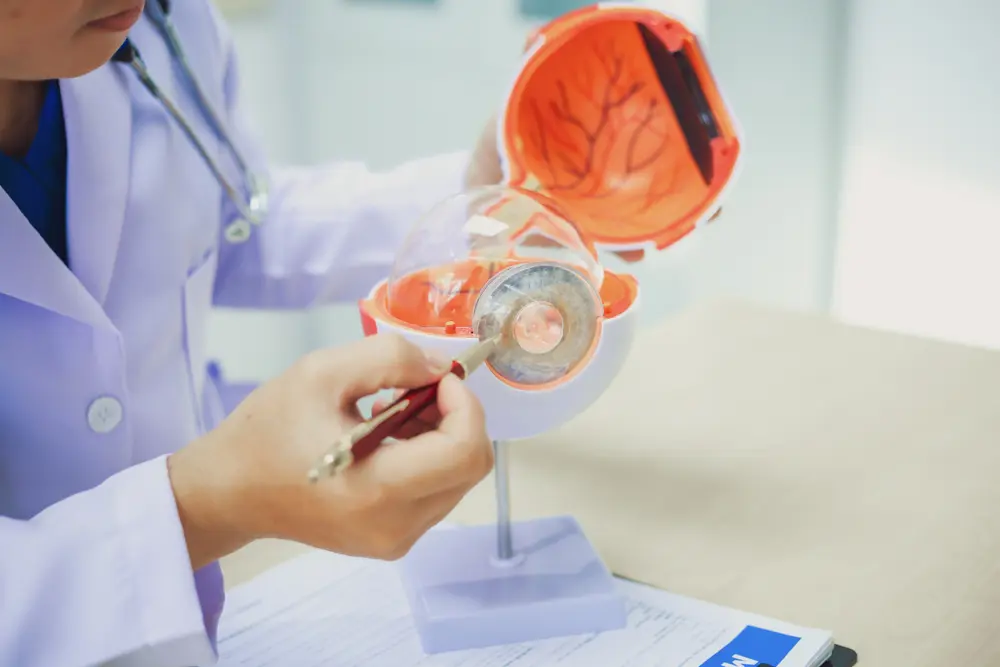
Dry eye is one of those conditions that seems simple — until you live with it. At first, it may feel like minor irritation or fatigue. But for many patients, it turns into a daily battle with blurry vision, stinging sensations, or the constant urge to rub your eyes.
- Aqueous-deficient dry eye, where the lacrimal glands fail to produce enough watery fluid.
- Evaporative dry eye, often caused by Meibomian gland dysfunction (MGD), where oil production is poor and tears evaporate too quickly.
Why Dry Eye Is Becoming So Common
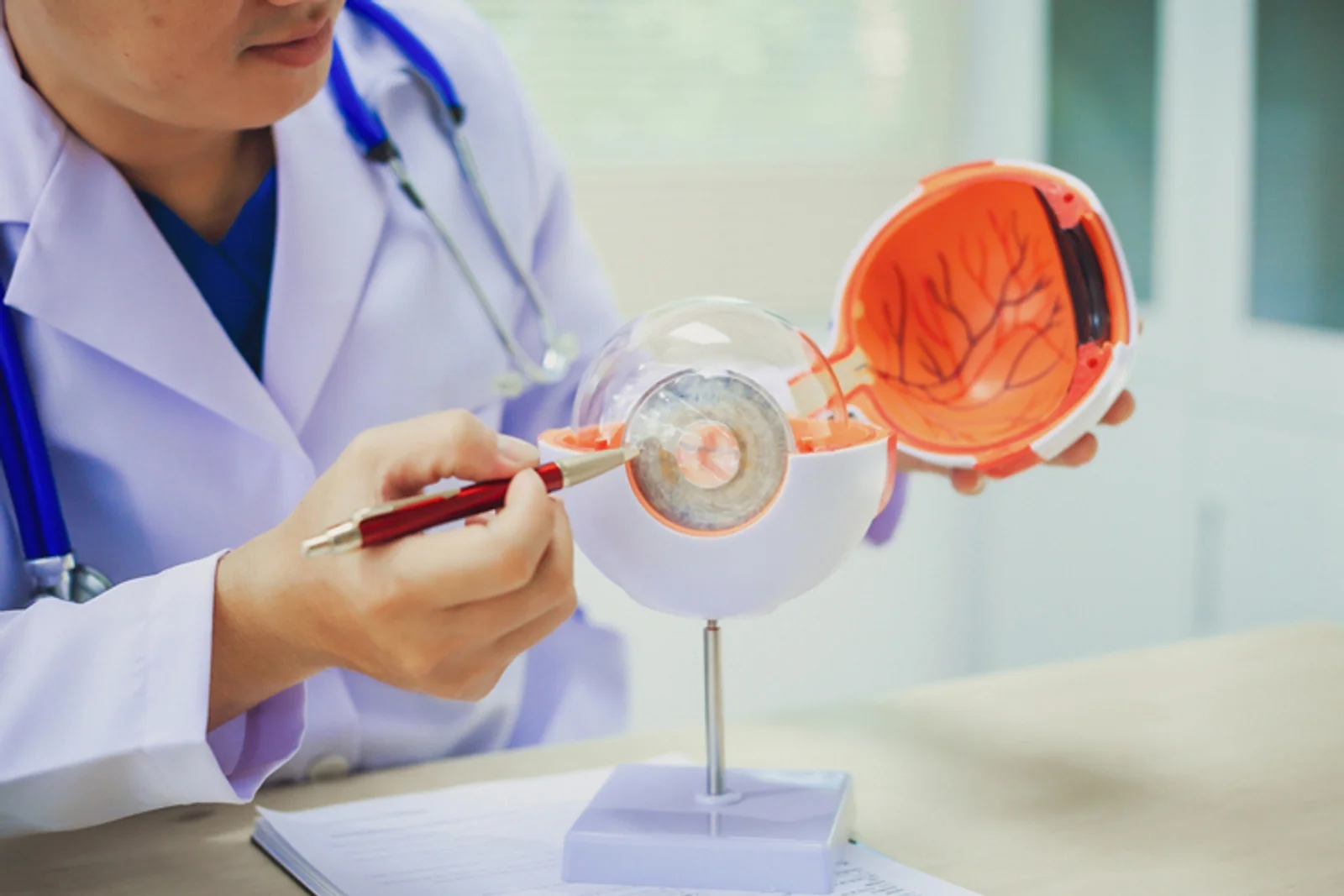
To be honest, it’s not just aging or genetics anymore. Modern lifestyles are fueling an epidemic of dry eyes. Think about how much time we spend in front of screens: phones, tablets, computers. Every time you focus on a screen, your blink rate drops dramatically. Fewer blinks mean fewer chances for the eye to rehydrate itself.
Habits That Make a Real Difference
So how do you protect your eyes in a world that seems stacked against them? It starts with awareness. Dry eye isn’t something you solve with eye drops alone—though they can help. At our clinic, we emphasize preventive care through simple, consistent daily habits:
1. Practice the 20-20-20 Rule
Every 20 minutes, take a 20-second break and look at something 20 feet away. This helps your eyes relax, encourages blinking, and reduces visual fatigue.
2. Blink More, Consciously
It sounds silly, but mindful blinking can prevent your tear film from evaporating. Try fully closing your eyes for a second or two every few minutes. Make it part of your routine, especially during computer use.
3. Stay Hydrated
Your eyes need water just like the rest of your body. Drinking enough fluids throughout the day supports tear production and overall eye function. Aim for at least 6–8 glasses of water a day.
4. Use a Humidifier
Especially in winter or in rooms with air conditioning, adding moisture to the air can ease dry eye symptoms significantly. Keep one in your bedroom or workspace for best results.
5. Warm Compresses
A warm, damp cloth over your closed eyes can help loosen clogged oil glands in the eyelids—a common issue in dry eye. We often recommend doing this once or twice daily, especially before bedtime.
6. Take Breaks from Contacts
Even the best contact lenses can contribute to dryness. Give your eyes a rest by wearing glasses when possible. If you rely on contacts daily, consider switching to more breathable or moisture-retaining lenses.
7. Clean Your Eyelids
Daily eyelid hygiene using non-irritating cleansers can help reduce inflammation and prevent buildup that blocks tear glands. This is especially important for people with blepharitis or MGD.
8. Mind Your Diet
Omega-3 fatty acids from fish oil or flaxseed can support healthy tear production. Limiting caffeine and alcohol, which dehydrate the body, may also help. A balanced diet with plenty of antioxidants (found in leafy greens, carrots, and fruits) supports ocular health overall.
9. Protect Against Wind and Sun
Windy days or long exposure to sun can exacerbate dry eye. Wear wraparound sunglasses when outdoors to shield your eyes from environmental stressors.
10. Adjust Your Screen Settings
Increase text size, reduce brightness, and use blue light filters. Position your screen below eye level so you don’t have to open your eyes as wide, which helps reduce tear evaporation.
When to Seek Medical Help
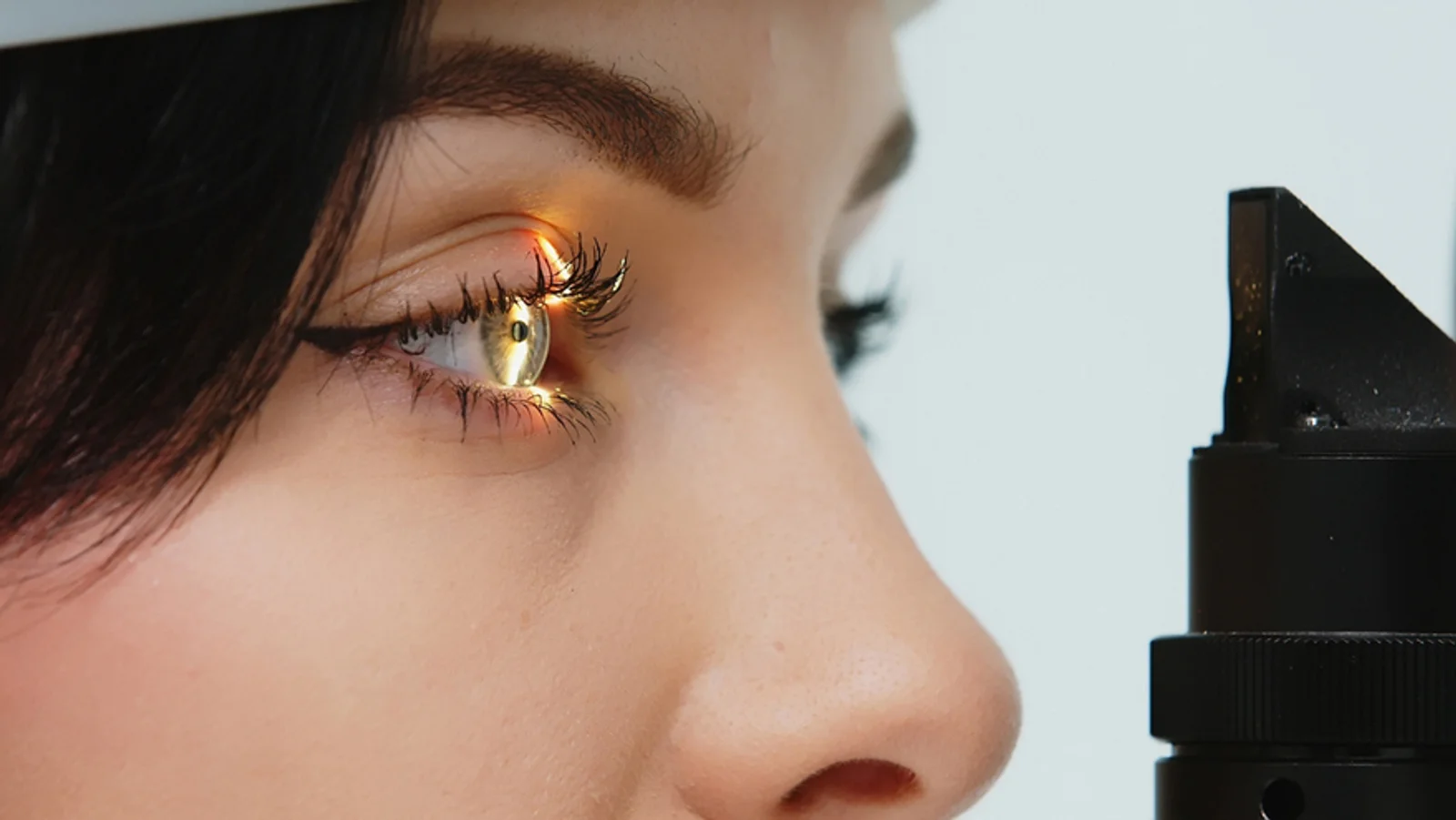
If your symptoms are persistent, it’s time to see an ophthalmologist. At Global Ubal Eye Center, we perform a detailed evaluation to determine the exact cause of your dry eye. Sometimes it’s due to Meibomian Gland Dysfunction (MGD); other times, it could be autoimmune conditions like Sjögren's syndrome.
Final Thought: Be Kind to Your Eyes
More Articles
Continue reading our ophthalmology guides and vision care insights.

SMILE vs LASIK: Recovery Benchmarks for Vision Correction Care
South Korea has solidified its position as a global epicenter for ophthalmology, with the domestic LASIK and refractive surgery market projected to reach **USD 167.37 million by 2035**, growing at a steady CAGR of 8.54%.
Learn More

Prevalence of Myopia in Korea: The Value of Dream Lens Therapy
The prevalence of myopia among young people in South Korea has reached critical levels, often described as a "myopia epidemic." According to recent data from the **Korean National Health and Nutrition Examination Survey (KNHANES)**, the prevalence of myopia...
Learn More

Multidisciplinary Care: The Future of Korean Pediatric Eye Clinics
The landscape of pediatric eye care in South Korea is shifting rapidly. With nearly **21.9% of Korean children** estimated to be affected by various visual disorders according to nationwide health screenings, the demand for specialized intervention has never...
Learn More