Comprehensive Eye Care & Vision Correction in Incheon · Multilingual International Concierge
23+ Years Clinical Experience
en-US


Ophthalmology Guide
Presbyopia vs Cataracts: Differences, Symptoms & Treatments
Learn how presbyopia and cataracts differ in symptoms, causes, and treatments. Discover expert care options from Global Ubal Eye Center.
Schedule a ConsultationUnderstanding Presbyopia and Cataracts
Imagine you're out at a favorite restaurant and suddenly find yourself holding the menu at arm’s length just to make out the text. This common experience marks the onset of presbyopia—but what if your whole world starts to look cloudy, not just up close? You might be facing cataracts instead. While both conditions affect your vision as you age, they stem from different causes and call for distinct treatments.
What Is Presbyopia?
Presbyopia is a natural result of aging that affects your ability to see things up close. It typically starts creeping in around your mid-40s when the lens inside your eye begins to lose flexibility. For many, it feels like books, menus, and phone screens suddenly need to be held farther away.

Symptoms and Signs:
Trouble reading small print
Needing brighter light for close tasks
Headaches or fatigue during extended close-up work
Holding reading materials at arm’s length
Certain health conditions like diabetes or cardiovascular disease
Use of medications such as antidepressants or antihistamines
Extensive near work without breaks
Common Solutions:
- Reading glasses: A simple fix for occasional close-up tasks.
- Multifocal contacts or progressive lenses: Designed to offer both near and distance vision correction without switching eyewear.
- Surgical options: For those seeking a more permanent solution, procedures such as corneal inlays and accommodating intraocular lenses (IOLs) are becoming increasingly popular.
What Are Cataracts?
Cataracts occur when the eye's natural lens becomes cloudy, obstructing light and reducing visual clarity at all distances. Unlike presbyopia, which affects focusing ability, cataracts physically alter the lens structure. Most people begin developing them after age 60, though risk factors like diabetes, smoking, or UV exposure can accelerate the process.
Common Cataract Symptoms:
- Blurred or dim vision
- Glare sensitivity, especially at night
- Faded colors
- Frequent eyeglass prescription changes
- Halos around lights
Types of Cataracts:
- Nuclear cataracts: Most common with aging, causing yellowing and clouding of the central lens.
- Cortical cataracts: Start at the lens periphery and spread inward, often causing glare.
- Posterior subcapsular cataracts: Develop at the back of the lens and progress quickly, especially in diabetics.
Who Is at Risk?
- People over age 60
- Those with diabetes or high blood pressure
- Smokers and heavy drinkers
- Prolonged UV light exposure
- Previous eye injuries or surgeries
Key Differences at a Glance
FeaturePresbyopiaCataractsCauseLoss of lens flexibilityClouding of the lensOnset Age40s60s+Main ImpactDifficulty with near visionBlurred vision at all distancesCorrectionGlasses, contacts, surgerySurgery (lens replacement)Reversible?Managed, not curedYes, through surgery
How Are These Conditions Diagnosed?
A comprehensive eye exam is crucial. At Global Ubal Eye Center, advanced diagnostic imaging and tailored assessments help distinguish between presbyopia, cataracts, or a combination of both. This clarity ensures each patient receives the most effective care plan.
- Retinal imaging
- Visual acuity tests
- Refraction assessments
- Slit-lamp examination
Treating Presbyopia: Options Beyond Readers
While many live comfortably with reading glasses, some prefer long-term solutions. Global Ubal offers:
- Corneal Inlays: Tiny ring-shaped devices inserted into the cornea to improve near focus.
- Laser Eye Surgery: LASIK or PRK reshapes the cornea for better near vision.
- Accommodating IOLs: Used during lens replacement surgery, these lenses flex with eye movement to adjust focus.
Who’s a Good Candidate?
- Individuals frustrated with dependency on reading glasses
- Patients with healthy corneal structure and no retinal disease
- Those looking for long-term, low-maintenance options
Treating Cataracts: Precision Surgery for Clearer Sight
Once cataracts interfere with daily life, surgery becomes necessary. At Global Ubal Eye Center, patients benefit from:
- Phacoemulsification: Ultrasound breaks up the cloudy lens for removal.
- Laser-Assisted Surgery: Enhances precision and reduces manual incision errors.
- Custom IOLs: Choose from monofocal (single distance), multifocal (near and far), or toric lenses (for astigmatism).
Real Patient Impact
FAQs from Real Patients
Why Choose Global Ubal Eye Center?
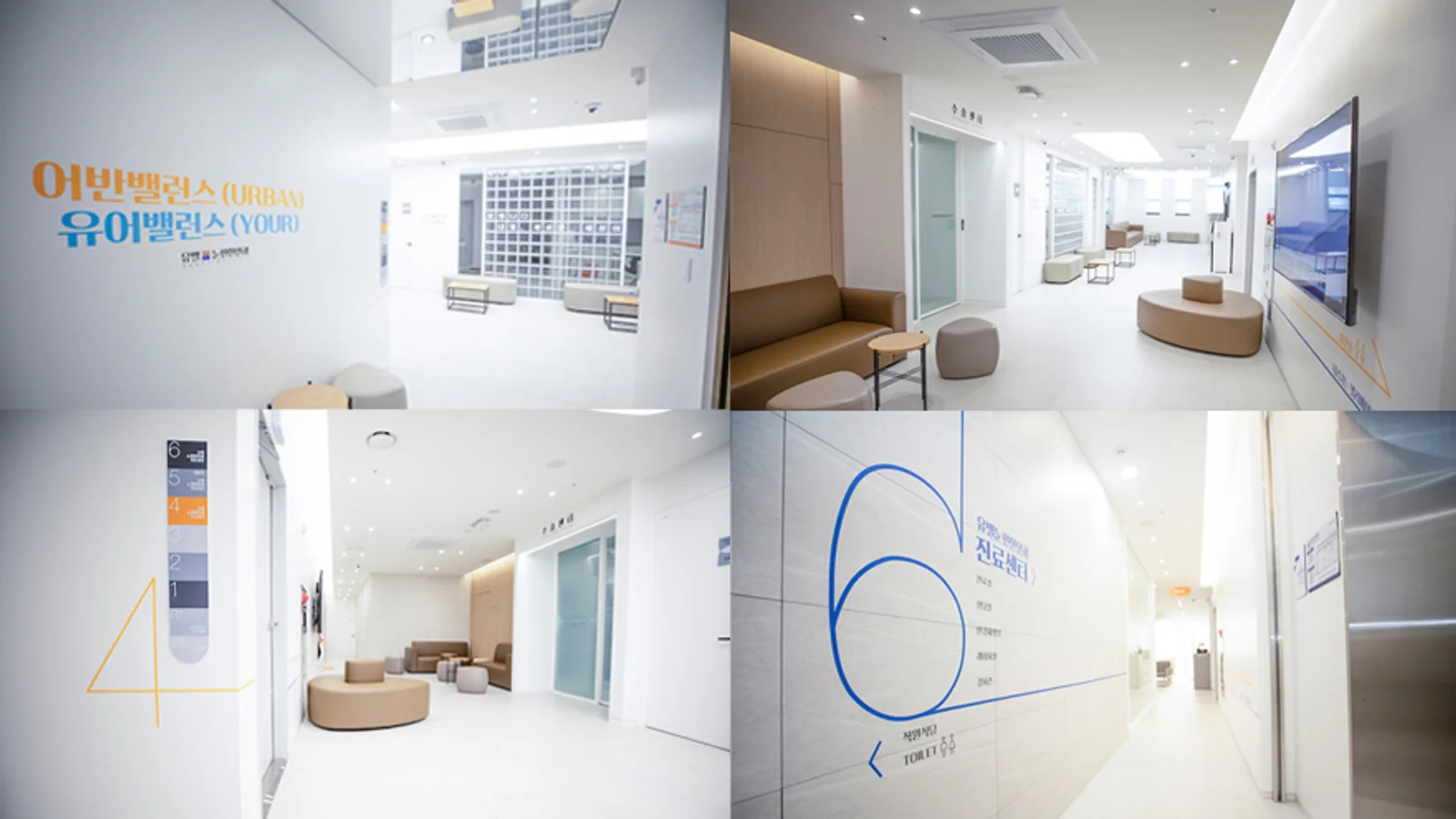
Seeing the Difference, Choosing the Right Care
More Articles
Continue reading our ophthalmology guides and vision care insights.

SMILE vs LASIK: Recovery Benchmarks for Vision Correction Care
South Korea has solidified its position as a global epicenter for ophthalmology, with the domestic LASIK and refractive surgery market projected to reach **USD 167.37 million by 2035**, growing at a steady CAGR of 8.54%.
Learn More

Prevalence of Myopia in Korea: The Value of Dream Lens Therapy
The prevalence of myopia among young people in South Korea has reached critical levels, often described as a "myopia epidemic." According to recent data from the **Korean National Health and Nutrition Examination Survey (KNHANES)**, the prevalence of myopia...
Learn More

Multidisciplinary Care: The Future of Korean Pediatric Eye Clinics
The landscape of pediatric eye care in South Korea is shifting rapidly. With nearly **21.9% of Korean children** estimated to be affected by various visual disorders according to nationwide health screenings, the demand for specialized intervention has never...
Learn More