Comprehensive Eye Care & Vision Correction in Incheon · Multilingual International Concierge
23+ Years Clinical Experience
en-US


Ophthalmology Guide
Presbyopia and Reading Trouble: Causes, Solutions & Treatments
Learn what causes presbyopia and how to treat it with the latest reading glasses, contacts, LASIK, and IOLs. Options for all vision needs.
Schedule a ConsultationUnderstanding Presbyopia
If fine print suddenly feels smaller or you’ve caught yourself adjusting screen distance more than usual, you’re likely entering a phase nearly everyone faces—presbyopia. This common age-related condition affects the eye’s ability to focus on nearby objects, typically beginning in your early-to-mid 40s.
What’s Happening Inside the Aging Eye?
Presbyopia doesn’t stem from disease or trauma. Instead, it's a mechanical limitation: the eye’s internal lens, once soft and flexible, becomes less responsive with age.
- Loss of Lens Elasticity: Reduces ability to focus between distances
- Ciliary Muscle Decline: Weakens control over lens shape
- Increased Lens Density: Slows focusing speed and clarity
Real-Life Clues You Might Be Developing Presbyopia
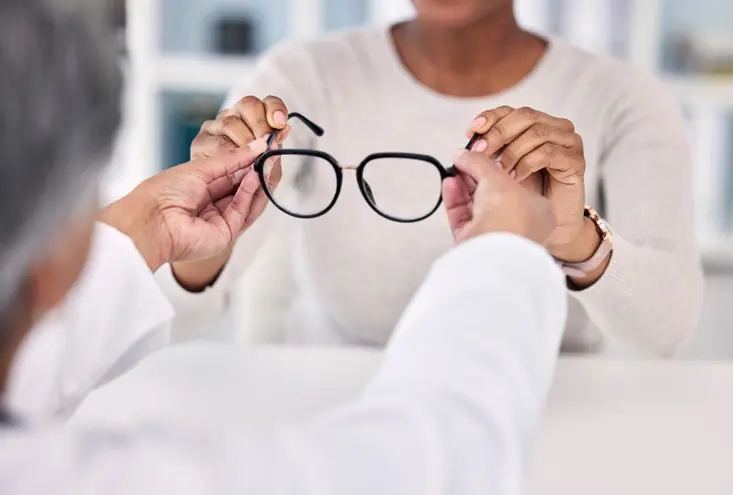
Signs often creep up subtly, and are easily mistaken for fatigue or stress:
- Needing to hold text farther away
- Blurred vision when switching from screens to books
- More frequent eye rubbing or squinting in low light
- Headaches after extended close-up work
Patient Snapshot: Jiyoon’s Journey
Jiyoon, a 47-year-old Seoul-based editor, noticed persistent blur when proofreading at night. “At first, I thought I was just tired or dehydrated,” she says. After a comprehensive eye exam, she was prescribed progressive lenses. “The difference was instant—I could work longer without straining.”
A Contrast Case: Paul Cho, 52
An architect in San Diego, Paul opted for monovision LASIK after struggling with bifocals. “I couldn’t handle the lens transitions during site visits. Post-surgery, I regained freedom and confidence—especially in dynamic environments.”
How Presbyopia Is Diagnosed
Diagnosis is straightforward with a comprehensive eye exam, which typically includes:
- Refraction Testing: Measures focus accuracy at various distances
- Accommodation Range Assessment: Evaluates how well the eyes switch focus
- Screening for Other Conditions: Such as glaucoma or cataracts, which may coexist
Exploring the Full Spectrum of Non-Surgical Solutions
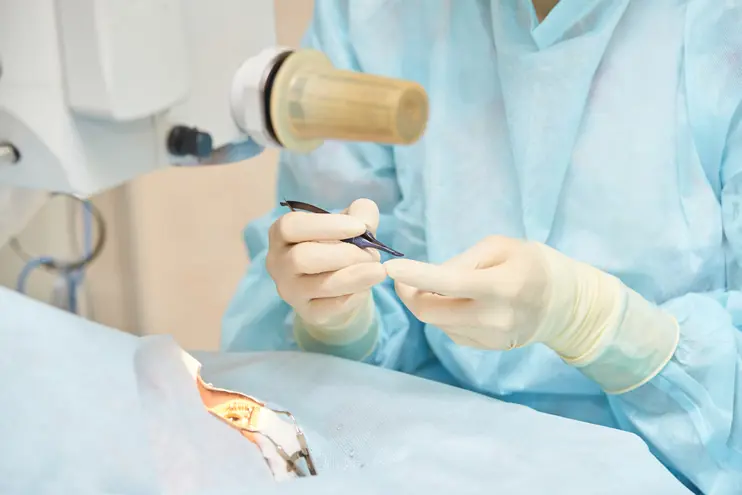
Whether for occasional reading or all-day clarity, several optical options are available:
Are Eye Exercises Worth It?
Visual hygiene habits may not cure presbyopia, but they can enhance comfort—especially for digital workers:
- 20-20-20 Rule: Every 20 minutes, look 20 feet away for 20 seconds
- Near-Far Drills: Focus on a nearby and far object alternately for 2 minutes
- Proper Lighting & Blink Rates: Combat dry eyes and fatigue
Surgical Solutions: When to Consider Long-Term Correction
For patients seeking to eliminate or reduce their reliance on lenses, several outpatient procedures offer lasting improvements:
Monovision LASIK
One eye is corrected for near, the other for distance. Best for those who tolerate binocular vision imbalance.
PresbyLASIK
Advanced laser technology reshapes the cornea to simulate multifocal vision.
Conductive Keratoplasty (CK)
A radiofrequency-based technique that temporarily tightens corneal collagen for improved near focus.
Presbyopia & Cataracts: Combining Treatment with Advanced IOLs
If you’re approaching cataract age (late 50s+), intraocular lenses (IOLs) can address both conditions during surgery:
FAQ: What You Need to Know
- Can presbyopia be reversed naturally? No, but early diagnosis and eye-friendly habits can ease progression.
- When should I consider surgery? When glasses or contacts interfere with work, sports, or quality of life—and your eyes meet clinical safety criteria.
- How long does recovery take? Most patients return to normal activity within 2–3 days, though full visual stabilization may take a few weeks.
- Does insurance cover treatment? Routine eye exams and basic lenses are often covered. Refractive surgeries and premium IOLs may be partially or fully out-of-pocket. Confirm with your provider.
- Where can I find reliable information? The American Academy of Ophthalmology and World Health Organization offer up-to-date guidance. (Links recommended in final web version.)
Conclusion: Taking Control of Your Changing Vision
Presbyopia is a natural—and nearly inevitable—part of aging, but it doesn’t have to compromise your comfort, confidence, or productivity. With the right approach, from reading glasses to innovative surgical solutions, you can restore sharp near vision and maintain visual independence well into your later years.
More Articles
Continue reading our ophthalmology guides and vision care insights.

SMILE vs LASIK: Recovery Benchmarks for Vision Correction Care
South Korea has solidified its position as a global epicenter for ophthalmology, with the domestic LASIK and refractive surgery market projected to reach **USD 167.37 million by 2035**, growing at a steady CAGR of 8.54%.
Learn More

Prevalence of Myopia in Korea: The Value of Dream Lens Therapy
The prevalence of myopia among young people in South Korea has reached critical levels, often described as a "myopia epidemic." According to recent data from the **Korean National Health and Nutrition Examination Survey (KNHANES)**, the prevalence of myopia...
Learn More

Multidisciplinary Care: The Future of Korean Pediatric Eye Clinics
The landscape of pediatric eye care in South Korea is shifting rapidly. With nearly **21.9% of Korean children** estimated to be affected by various visual disorders according to nationwide health screenings, the demand for specialized intervention has never...
Learn More