Comprehensive Eye Care & Vision Correction in Incheon · Multilingual International Concierge
23+ Years Clinical Experience
en-US

Ophthalmology Guide
Premium Lens Implants for Cataracts: What You Need to Know
Discover the benefits of premium lens implants for cataracts. Learn how they can improve your vision and quality of life. Book a consultation today!
Schedule a ConsultationIntroduction
Cataract surgery is one of the most effective ways to restore clear vision, but the lens you choose during surgery can make all the difference in how you experience the world afterward. While traditional intraocular lenses (IOLs) are reliable and improve vision, they often require patients to depend on glasses for close-up tasks. This is where premium lens implants come into play.
What Are Premium Lens Implants?
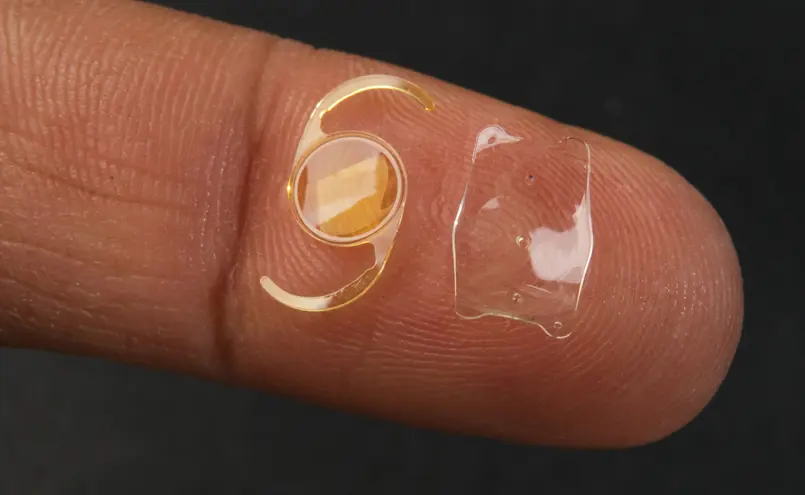
In cataract surgery, the cloudy lens is removed and replaced with a synthetic lens, called an intraocular lens (IOL). Traditionally, the standard IOL was a basic monofocal lens, which focuses light to a single point, usually set for distance vision. For patients who opted for a monofocal lens, reading glasses were often still needed for close-up tasks, like reading or using a smartphone.
Why Choose a Premium Lens Implant?
Choosing a premium lens implant over a standard monofocal lens offers numerous benefits, depending on your lifestyle and visual preferences. Here are some reasons why patients at Global Ubal Eye Center opt for premium lenses:
1. Improved Visual Quality
One of the biggest advantages of premium lenses is the enhanced visual experience. Unlike monofocal lenses, which only provide sharp vision at one distance (usually set for distance), premium lenses can provide clear vision at multiple distances. This can significantly reduce the need for reading glasses or bifocals, allowing for greater flexibility in daily activities.
2. Freedom from Glasses
If you've grown tired of constantly reaching for reading glasses or dealing with the inconvenience of bifocals, a premium lens can make a noticeable difference in your quality of life. Many patients find that, after cataract surgery with a premium IOL, they can enjoy everyday activities—like driving, watching TV, or reading the newspaper—without the constant reliance on glasses.
3. Correction of Astigmatism
Astigmatism is a condition that causes blurred vision due to an irregular shape of the cornea or lens. It’s common in people with cataracts, and if left uncorrected, it can affect the quality of your vision even after surgery. Toric IOLs, a type of premium lens, are designed to correct astigmatism as well as treat cataracts.
4. Long-Term Vision Benefits
Premium lenses are designed to provide long-term clarity, allowing for sharper vision as you age. Some types of lenses, particularly EDOF lenses, are more effective at maintaining good vision as your eyes continue to change over time. This can mean fewer adjustments or additional surgeries down the line, saving you both time and money in the future.
5. Enhanced Quality of Life
Beyond the physical benefits of better vision, patients with premium lens implants often report improved quality of life. Many find that their daily activities become less dependent on corrective eyewear. Whether it’s enjoying a walk in the park or reading a book without struggling to find the right pair of glasses, premium IOLs offer the freedom to live without restrictions.
What to Consider Before Choosing Premium Lenses

While premium IOLs offer many benefits, it’s essential to understand that they might not be right for everyone. Here are a few factors to consider before making your decision:
1. Cost
Premium lenses typically come with a higher price tag than standard monofocal lenses. The added cost is due to the advanced technology and features that these lenses provide. Be sure to check with your surgeon or ophthalmologist about your insurance coverage and out-of-pocket expenses before committing to premium IOLs.
2. Adjustment Period
After surgery with a premium lens, it may take some time for your eyes to adjust to the new visual setup. Some patients experience glare or halos around lights, particularly at night, which can be more noticeable with multifocal or EDOF lenses. However, these side effects often diminish over time as the brain adapts to the new lens.
Is a Premium Lens Right for You?
Conclusion
More Articles
Continue reading our ophthalmology guides and vision care insights.

SMILE vs LASIK: Recovery Benchmarks for Vision Correction Care
South Korea has solidified its position as a global epicenter for ophthalmology, with the domestic LASIK and refractive surgery market projected to reach **USD 167.37 million by 2035**, growing at a steady CAGR of 8.54%.
Learn More

Prevalence of Myopia in Korea: The Value of Dream Lens Therapy
The prevalence of myopia among young people in South Korea has reached critical levels, often described as a "myopia epidemic." According to recent data from the **Korean National Health and Nutrition Examination Survey (KNHANES)**, the prevalence of myopia...
Learn More

Multidisciplinary Care: The Future of Korean Pediatric Eye Clinics
The landscape of pediatric eye care in South Korea is shifting rapidly. With nearly **21.9% of Korean children** estimated to be affected by various visual disorders according to nationwide health screenings, the demand for specialized intervention has never...
Learn More