Comprehensive Eye Care & Vision Correction in Incheon · Multilingual International Concierge
23+ Years Clinical Experience
en-US


Ophthalmology Guide
Premium Cataract Lenses for Active Lifestyles: Clear Vision Without Glasses
Experience premium cataract lenses for active lifestyles—enjoy crystal-clear vision and freedom from glasses. Discover your best vision today!
Schedule a ConsultationIntroduction
For many people, the first sign of cataracts is subtle — a growing haze in the vision, a loss of contrast, or the frustrating glare of headlights at night. It starts slowly, often mistaken for a need to change glasses again. But over time, that foggy vision begins to affect daily life — reading, driving, even recognizing faces.
Why Cataract Surgery Is No Longer Just About “Fixing Vision”
Traditionally, cataract surgery was a purely medical procedure — the cloudy lens of the eye was replaced with a standard artificial one, restoring functional sight. Patients could see again, but they usually needed glasses afterward for reading or distance.
What Are Premium Cataract Lenses?
During cataract surgery, the eye’s natural, clouded lens is replaced with an artificial lens known as an intraocular lens (IOL). The standard IOL used in most basic procedures provides clear vision at one fixed distance, usually for far sight. While it restores clarity, patients often still need glasses for near or intermediate tasks like reading, computer work, or using smartphones.
1. Multifocal IOLs
These lenses feature multiple optical zones that allow the eye to focus at near, intermediate, and far distances. They’re ideal for people who want freedom from glasses for both reading and distance activities like driving or sports.
2. Extended Depth of Focus (EDOF) IOLs
A newer generation of lenses that offer a smooth, continuous range of vision — particularly beneficial for intermediate and computer distances. EDOF lenses create less glare and halo than traditional multifocal designs, making them popular among professionals and digital users.
3. Toric IOLs
Specifically designed to correct astigmatism, toric lenses improve sharpness and clarity by compensating for irregular corneal curvature. For patients with astigmatism, a toric IOL can mean the difference between blurred, distorted images and crisp, stable sight.
Why More People Are Choosing Premium Lenses
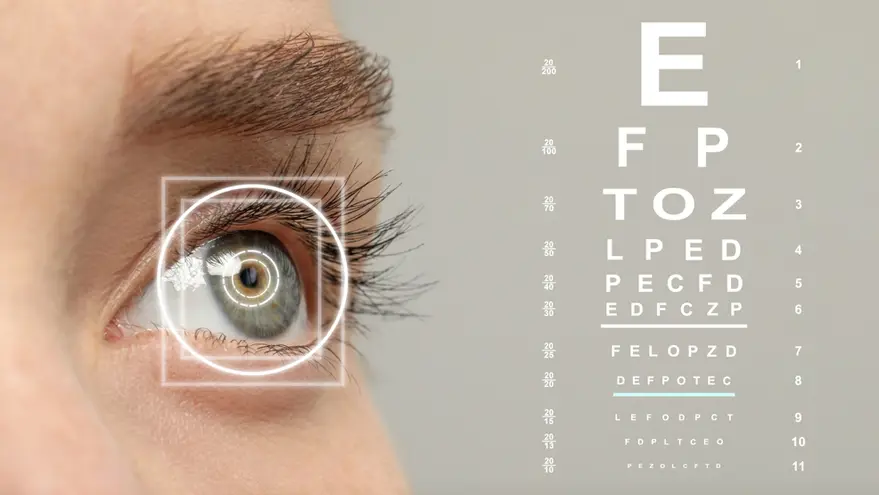
Life today demands more from our vision than ever before. We move seamlessly between screens, books, and outdoor spaces. We work, exercise, travel, and stay socially connected well into our later years.
The Power of Laser-Assisted Precision
Even the best lens requires precise placement to perform perfectly. That’s where laser-assisted cataract surgery makes all the difference.
- Greater consistency in surgical outcomes
- Shorter recovery times
- Reduced risk of complications
- Improved long-term stability
Real-Life Clarity: Seeing the Difference

Some of the most rewarding moments in our clinic come when patients describe how their new vision changes their lives.
Who Should Consider Premium IOLs?
While premium lenses are suitable for many, they’re especially beneficial for people who:
- Want to reduce or eliminate their dependency on glasses or contacts.
- Lead active lives involving travel, outdoor sports, or digital work.
- Have astigmatism or presbyopia.
- Desire a long-term visual solution that feels natural and effortless.
Beyond the Surgery: Long-Term Vision Care
At Global Ubal Eye Center, our philosophy extends beyond surgery. We provide detailed postoperative monitoring to ensure that your vision continues to remain stable and comfortable for years to come.
Conclusion: A Clearer Tomorrow Without Glasses
The way we see shapes the way we live. When cataracts blur that connection, it’s easy to feel as though the world is dimming around you. But modern ophthalmology offers a brighter path forward — one where cataract surgery isn’t just restorative, but transformative.
More Articles
Continue reading our ophthalmology guides and vision care insights.

SMILE vs LASIK: Recovery Benchmarks for Vision Correction Care
South Korea has solidified its position as a global epicenter for ophthalmology, with the domestic LASIK and refractive surgery market projected to reach **USD 167.37 million by 2035**, growing at a steady CAGR of 8.54%.
Learn More

Prevalence of Myopia in Korea: The Value of Dream Lens Therapy
The prevalence of myopia among young people in South Korea has reached critical levels, often described as a "myopia epidemic." According to recent data from the **Korean National Health and Nutrition Examination Survey (KNHANES)**, the prevalence of myopia...
Learn More

Multidisciplinary Care: The Future of Korean Pediatric Eye Clinics
The landscape of pediatric eye care in South Korea is shifting rapidly. With nearly **21.9% of Korean children** estimated to be affected by various visual disorders according to nationwide health screenings, the demand for specialized intervention has never...
Learn More