Comprehensive Eye Care & Vision Correction in Incheon · Multilingual International Concierge
23+ Years Clinical Experience
en-US


Ophthalmology Guide
Pediatric Eye Exams | Early Vision Care for Children
Discover when to schedule your child’s first eye exam, common vision problems, and expert care options at Global Ubal Eye Center.
Schedule a ConsultationIntroduction
Healthy vision is essential to your child’s growth, learning, and confidence. Pediatric eye exams are not just routine checkups—they are a key part of early childhood healthcare. These specialized exams detect vision issues that can interfere with school performance, motor development, and daily life. Early detection leads to better outcomes, and proactive eye care can help your child thrive.
Inside a Pediatric Eye Exam
Children's eye exams are designed with age-appropriate techniques. From playful vision assessments for toddlers to advanced digital imaging for school-aged kids, the process is tailored to each child’s developmental stage. During the exam, eye specialists may check:
- Visual clarity (visual acuity)
- Eye muscle coordination and tracking
- Depth perception and binocular vision
- Overall eye health, including screening for cataracts or optic nerve issues
- Refraction to diagnose focus issues like nearsightedness or astigmatism
When to Schedule Your Child’s First Exam
Experts such as the American Optometric Association recommend the following schedule:
- 6 months old: First eye health screening
- 3 years old: Follow-up to assess visual development
- Before school entry (age 5–6): A comprehensive pre-kindergarten exam
- Every 1–2 years thereafter: To monitor growth and address any concerns
What Children Often Face: Common Eye Conditions

Several vision issues often appear in early childhood. Identifying them promptly helps prevent permanent impairment:
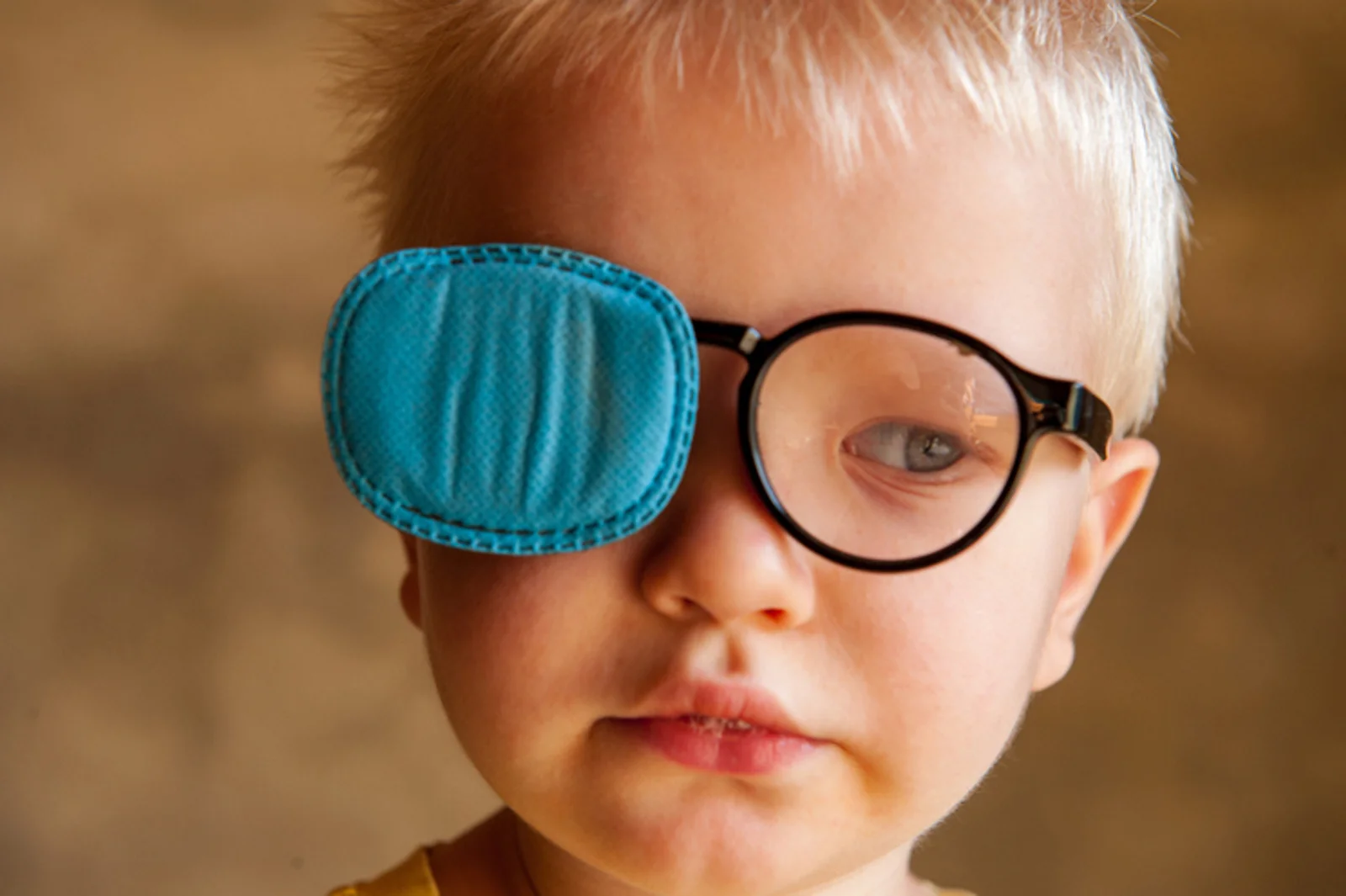
- Amblyopia (lazy eye): One eye becomes weaker due to the brain favoring the stronger eye. It affects up to 3 out of 100 children and is the most common cause of vision loss in kids. Treatment may involve patching the dominant eye or using atropine drops to encourage the use of the weaker eye. Glasses may also be prescribed to improve focus.
- Strabismus: Eyes that don’t align properly can result in double vision or poor depth perception. Misalignment may alternate between eyes or be constant. Early intervention with glasses, vision therapy, or surgery can often realign the eyes and retrain visual coordination.
- Refractive Errors: This group includes nearsightedness (myopia), farsightedness (hyperopia), and astigmatism. These are generally correctable with glasses or contact lenses. Myopia is increasing globally among children, partly due to increased screen time and reduced outdoor activity.
- Convergence Insufficiency: A lesser-known but impactful condition where the eyes struggle to work together at close range. This can lead to headaches and reading fatigue.
- Other Conditions: Pediatric ophthalmologists also check for signs of congenital cataracts, glaucoma, and retinal disorders. While rare, these require immediate attention to prevent irreversible damage.
Why Vision Exams Matter More Than You Think
Good vision supports every part of a child’s development. A comprehensive eye exam can:
- Help children succeed academically by supporting reading, focus, and comprehension
- Prevent accidents by improving spatial awareness and motor coordination
- Boost self-esteem by correcting impairments that may make children feel "different"
- Detect underlying conditions that may affect overall neurological development
Real Parent Perspectives
"We noticed our daughter tilting her head when watching TV. Thanks to a referral, we visited Global Ubal Eye Center, where they diagnosed her with mild strabismus. The team was incredibly patient, and now she wears glasses that have made a big difference."
Why Parents Choose Global Ubal Eye Center
The clinic stands out for its:
- Over 23 years of pediatric experience
- Diagnostic precision using digital tools and imaging
- Child-sensitive, low-stress exam approach
- Multilingual staff for global patients
- Long-term monitoring and care coordination
- Custom vision therapy and follow-up protocols
Kid-Friendly Treatment Options
Common Questions Answered
Conclusion: Building a Clearer Future Through Early Vision Care
More Articles
Continue reading our ophthalmology guides and vision care insights.

SMILE vs LASIK: Recovery Benchmarks for Vision Correction Care
South Korea has solidified its position as a global epicenter for ophthalmology, with the domestic LASIK and refractive surgery market projected to reach **USD 167.37 million by 2035**, growing at a steady CAGR of 8.54%.
Learn More

Prevalence of Myopia in Korea: The Value of Dream Lens Therapy
The prevalence of myopia among young people in South Korea has reached critical levels, often described as a "myopia epidemic." According to recent data from the **Korean National Health and Nutrition Examination Survey (KNHANES)**, the prevalence of myopia...
Learn More

Multidisciplinary Care: The Future of Korean Pediatric Eye Clinics
The landscape of pediatric eye care in South Korea is shifting rapidly. With nearly **21.9% of Korean children** estimated to be affected by various visual disorders according to nationwide health screenings, the demand for specialized intervention has never...
Learn More