Comprehensive Eye Care & Vision Correction in Incheon · Multilingual International Concierge
23+ Years Clinical Experience
en-US

Ophthalmology Guide
Pediatric Eye Care in Korea | English-Speaking Pediatric Eye Doctor
Expert pediatric eye care in English at Global Ubal Eye Center. Vision screening, treatment for children, and international family support. Book a consultation today.
Schedule a ConsultationIntroduction
Your child's vision is foundational to their learning, development, and confidence. Yet finding a pediatric eye doctor in Korea who communicates fluently in English can feel overwhelming for international families. Global Ubal Eye Center brings world-class pediatric ophthalmology to English-speaking families seeking expert diagnosis and treatment for their children's eye health.
Why Pediatric Eye Care Matters — And When To Seek It
Understanding the importance of pediatric eye health helps parents recognize when their child needs specialist evaluation. This section covers the developmental stakes of undetected eye conditions and provides clear guidance on recognizing signs that warrant professional assessment.
The Critical Window — Why Pediatric Vision Matters for Development
Children's visual system develops rapidly from birth through age eight. During this critical window, undetected vision problems can cause permanent developmental delays that affect learning, coordination, and social confidence. Vision is essential for learning to read, coordinating movement, and building the self-assurance children need to engage with their environment and peers.
Common Pediatric Eye Conditions — What Parents Need To Know
Several pediatric eye conditions require early detection and professional treatment. Understanding these conditions helps parents recognize symptoms and seek timely care.
| Condition | Signs Parents Notice | When To Seek Care |
|---|---|---|
| Refractive Error (Myopia, Hyperopia, Astigmatism) | Squinting, holding objects close, difficulty seeing board at school, eye strain | After noticing symptoms or at routine screening |
| Amblyopia (Lazy Eye) | Child covers or prefers one eye, tilts head, poor depth perception | Immediately upon noticing; critical before age 7 |
| Strabismus (Eye Misalignment) | Eyes appear misaligned, child tilts head, double vision, covering one eye | Immediately; affects visual development |
| Astigmatism | Blurred vision at all distances, squinting, headaches, eye strain | At routine vision screening |
| Color Blindness | Difficulty distinguishing colors, confusion with color-based tasks | At routine screening; not urgent but important for planning |
| Ptosis (Drooping Eyelid) | Visible drooping of upper eyelid, reduced vision in affected eye | When eyelid droops significantly or blocks vision |
When To Schedule A Pediatric Eye Examination — Red Flags
Parents should schedule an eye examination if their child complains of blurred vision or has difficulty seeing the board at school. Squinting, eye strain, or complaints of headaches during reading or screen time warrant professional evaluation. If eyes appear misaligned or turned inward or outward, seek care promptly.
Pediatric Eye Services At Global Ubal Eye Center
Global Ubal Eye Center offers comprehensive pediatric ophthalmology services specifically designed for children's unique needs. Understanding what these services include and how they differ from adult eye care helps parents know what to expect.
Comprehensive Pediatric Eye Examinations In English
Global Ubal Eye Center offers full-scope pediatric eye care for children from infancy through adolescence. The initial consultation includes detailed visual history, developmental screening, and age-appropriate vision testing conducted entirely in English.
Treatment Options For Pediatric Eye Conditions
Treatment approaches vary depending on the specific condition and the child's age and development. Glasses and contact lenses serve as first-line treatment for refractive errors, with pediatric-specific frame fitting and progressive lens options available. Contact lenses may be appropriate for older children who demonstrate responsibility for proper care.
Making The Examination Child-Friendly
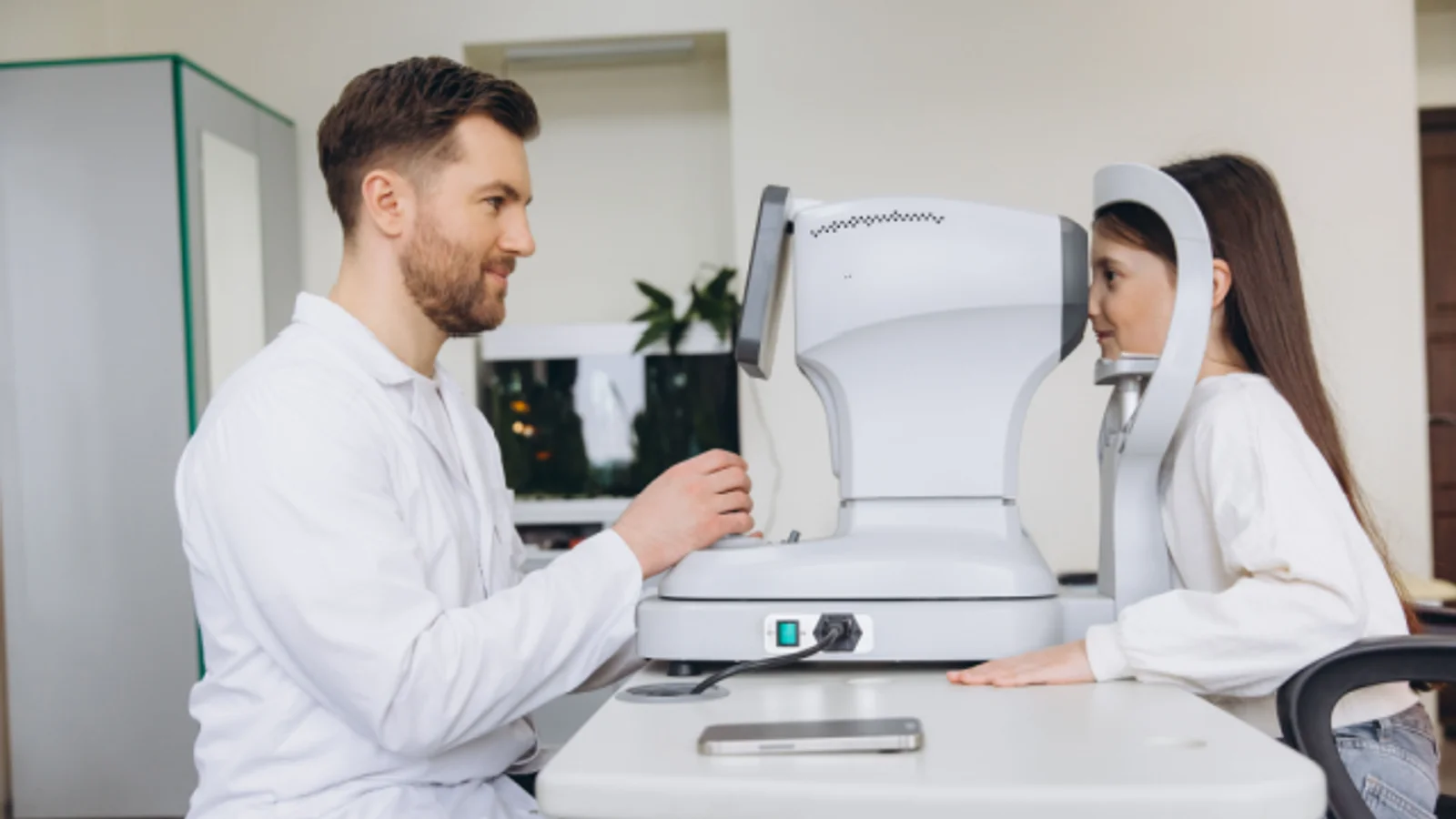
Our pediatric examination rooms are designed to be welcoming and non-threatening, with child-appropriate decor and equipment at child-appropriate heights. Staff are trained in child psychology and communication, using child-appropriate language and pacing throughout the examination.
Preparing Your Child For A Pediatric Eye Examination
Pediatric Eye Conditions — In-Depth Guides
| Condition | First-Line Treatment | Alternative Options | Success Rate |
|---|---|---|---|
| Refractive Error | Glasses | Contact lenses (older children), orthokeratology | 95% vision improvement with proper correction |
| Amblyopia | Glasses plus patching therapy | Atropine drops, vision therapy | 80-90% if treated before age 7; significantly lower after |
| Strabismus | Glasses (if refractive cause) | Vision therapy, surgical correction | 70-80% with surgery; varies with cause and severity |
| Myopia | Glasses or contact lenses | Myopia control lenses, atropine, orthokeratology | Slows progression 30-50% with management |
| Astigmatism | Glasses | Toric contact lenses (older children) | 95% vision improvement with proper correction |
International Families — Logistics And Support
Why Choose Global Ubal Eye Center For Your Child's Pediatric Eye Care
How To Book Your Child's Pediatric Eye Examination
Frequently Asked Questions About Pediatric Eye Care
Conclusion
About The Author
More Articles
Continue reading our ophthalmology guides and vision care insights.

SMILE vs LASIK: Recovery Benchmarks for Vision Correction Care
South Korea has solidified its position as a global epicenter for ophthalmology, with the domestic LASIK and refractive surgery market projected to reach **USD 167.37 million by 2035**, growing at a steady CAGR of 8.54%.
Learn More

Prevalence of Myopia in Korea: The Value of Dream Lens Therapy
The prevalence of myopia among young people in South Korea has reached critical levels, often described as a "myopia epidemic." According to recent data from the **Korean National Health and Nutrition Examination Survey (KNHANES)**, the prevalence of myopia...
Learn More

Multidisciplinary Care: The Future of Korean Pediatric Eye Clinics
The landscape of pediatric eye care in South Korea is shifting rapidly. With nearly **21.9% of Korean children** estimated to be affected by various visual disorders according to nationwide health screenings, the demand for specialized intervention has never...
Learn More