Comprehensive Eye Care & Vision Correction in Incheon · Multilingual International Concierge
23+ Years Clinical Experience
en-US

Ophthalmology Guide
Navigating Astigmatism at Night: Why Driving Is Difficult
## Introduction If you have ever been behind the wheel after sunset and felt like the world was turning into a chaotic display of fireworks, you are not alone.
Schedule a ConsultationIntroduction
If you have ever been behind the wheel after sunset and felt like the world was turning into a chaotic display of fireworks, you are not alone. For many drivers, the glare of oncoming headlights doesn’t just look bright it looks like a series of long, stabbing streaks or glowing halos. This phenomenon is usually caused by astigmatism, a common vision condition that affects how your eyes process light.
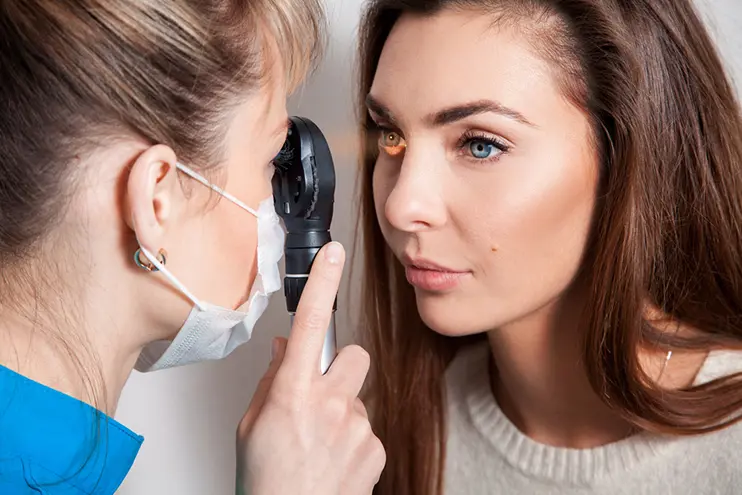
The Science: Why Night Driving is the Ultimate Test
Driving at night is the most difficult task for someone with astigmatism because of how the human eye reacts to low light.
The Pupil Factor (Mydriasis)
When you are in a dark environment, your pupils naturally dilate (expand) to let in more light. This process is called mydriasis. While this helps you see in the dark, it also exposes the peripheral parts of your cornea. Because astigmatism involves irregular curves on the edges of the cornea, the wider your pupil opens, the more light hits these warped areas causing significant distortion.
Light Scattering
In a perfect eye, light enters and hits a single point on the retina. In an eye with astigmatism light is scattered. When you look at a pinpoint of light like a streetlight or a brake light it doesn't look like a dot. Instead, it transforms into smears long lines or starbursts.
Contrast Sensitivity
Low light already makes it harder to see. For those with this refractive error, contrast sensitivity is further reduced. This means it becomes difficult to distinguish an object, such as a pedestrian in dark clothing, from the dark background of the road.
Identifying the Symptoms Behind the Wheel
Recognizing the symptoms of astigmatism is the first step toward safer driving. Many people assume everyone sees light streaks at night, but that is not the case.
Visual Distortions
- Halos: Glowing circles around lights.
- Glares: Excessive brightness that makes you want to look away.
- Comet Tails: Lights that appear to have tails or streaks stretching in one direction.
Physical Strain
If you find yourself squinting constantly while driving at night, your eye muscles are working overtime to try and sharpen the image. This often leads to heavy eye fatigue, frequent tension headaches, and burning or dry eyes after a long drive.
The Safety Risk
The most concerning symptom is the loss of depth perception. If lights are blurring into each other, it becomes difficult to judge how far away an oncoming car is or how fast it is traveling. This leads to delayed reaction times and increased anxiety.
| Symptom | Description | Impact on Driving |
|---|---|---|
| Starbursts | Lights look like exploding stars | Hard to see lane markings |
| Halos | Rings around streetlights | Obscures road signs |
| Squinting | Narrowing eyes to focus | Causes headaches and fatigue |
| Ghosting | Seeing a double image | Distorts distance perception |
Diagnostic Excellence: Beyond the Standard Eye Chart
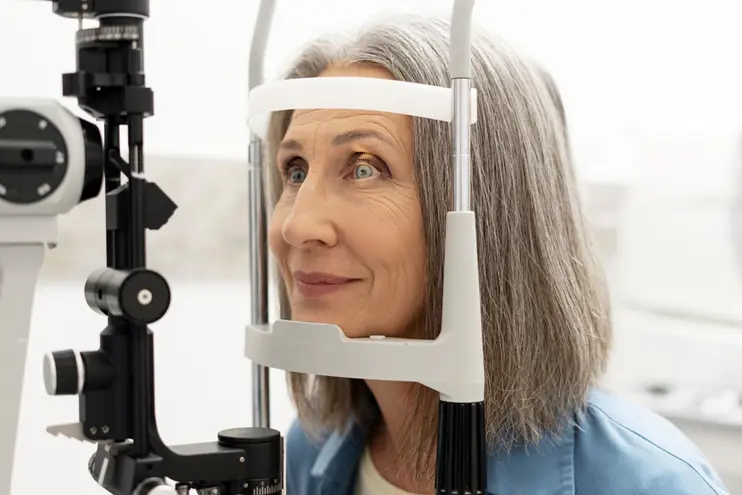
A standard eye exam where you read letters off a wall is often not enough to fully understand how astigmatism affects your night vision. Modern clinics use advanced tools to map the eye.
- Corneal Topography: This acts like a 3D map of your eye. It identifies the hills and valleys of your cornea, showing exactly where the irregularities are.
- Autorefractors: This machine measures how light changes as it enters your eye, providing an objective starting point for your prescription.
- Night-Specific Exams: Because your eyes change when your pupils dilate, some specialists perform exams in dim lighting to see how your vision shifts in night conditions.
Treatment Tiers: From Temporary to Permanent
Level 1: Non-Invasive Corrections
For many, glasses or contact lenses are the first step.
- Toric Lenses: These are special lenses designed specifically for astigmatism. Unlike standard lenses, they have different powers in different parts of the lens.
- Anti-Reflective (AR) Coatings: This is a must-have for night driving. AR coating allows more light to pass through the lens rather than bouncing off it, significantly reducing glare.
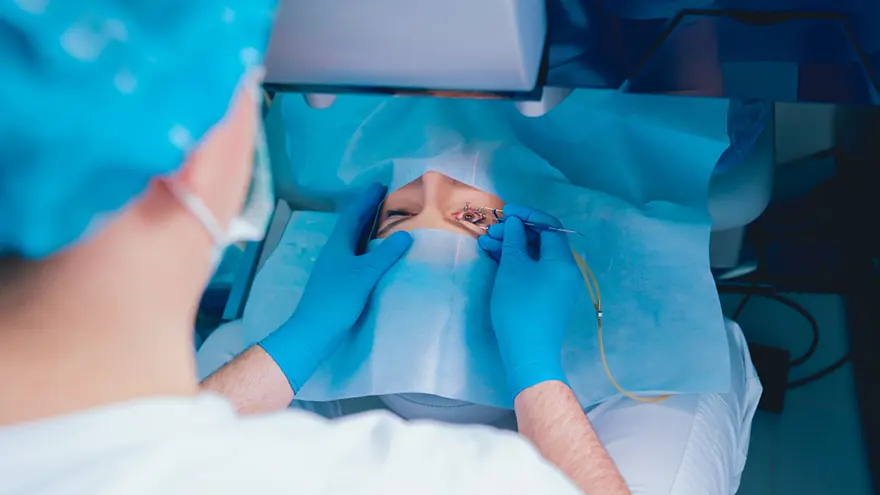
Level 2: Advanced Refractive Surgery
If you want to stop relying on glasses, surgery is the most effective path.
The Global Gold Standard: Why South Korea for Astigmatism Treatment
| Region | Procedure (LASIK/SMILE) | Procedure (ICL) | Technology Level |
|---|---|---|---|
| South Korea | $1,500 – $2,500 | $3,000 – $4,500 | Highest (AI-Integrated) |
| United States | $4,000 – $6,000 | $6,000 – $9,000 | High |
| United Kingdom | £3,500 – £5,000 | £5,000 – £8,000 | High |
| Australia | AU$5,000 – $7,000 | AU$8,000 – $11,000 | High |
Lifestyle Tips for Safer Night Driving
Frequently Asked Questions
Conclusion
More Articles
Continue reading our ophthalmology guides and vision care insights.

SMILE vs LASIK: Recovery Benchmarks for Vision Correction Care
South Korea has solidified its position as a global epicenter for ophthalmology, with the domestic LASIK and refractive surgery market projected to reach **USD 167.37 million by 2035**, growing at a steady CAGR of 8.54%.
Learn More

Prevalence of Myopia in Korea: The Value of Dream Lens Therapy
The prevalence of myopia among young people in South Korea has reached critical levels, often described as a "myopia epidemic." According to recent data from the **Korean National Health and Nutrition Examination Survey (KNHANES)**, the prevalence of myopia...
Learn More

Multidisciplinary Care: The Future of Korean Pediatric Eye Clinics
The landscape of pediatric eye care in South Korea is shifting rapidly. With nearly **21.9% of Korean children** estimated to be affected by various visual disorders according to nationwide health screenings, the demand for specialized intervention has never...
Learn More