Comprehensive Eye Care & Vision Correction in Incheon · Multilingual International Concierge
23+ Years Clinical Experience
en-US

Ophthalmology Guide
Multidisciplinary Squint and Pediatric Eye Care Growth in Seoul
Vision health in South Korea is undergoing a significant shift. According to nationwide health data, the prevalence of refractive errors and binocular vision issues among Korean children is among the highest in the world, with some studies indicating that...
Schedule a ConsultationVision health in South Korea is undergoing a significant shift. According to nationwide health data, the prevalence of refractive errors and binocular vision issues among Korean children is among the highest in the world, with some studies indicating that over 80% of students face myopia by the time they reach late adolescence.
Specialized Pediatric Eye Examinations in Korea: Why Precision Matters
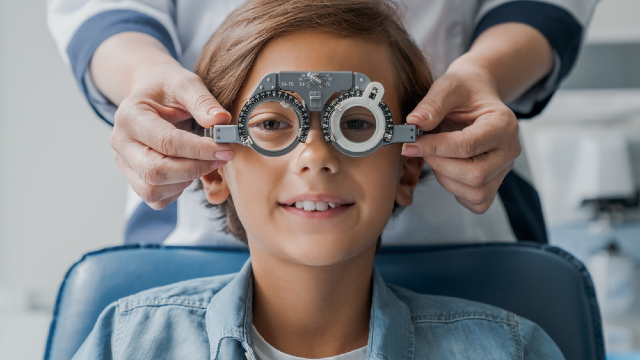
How does a pediatric eye exam differ from an adult exam?
In Korea, a standard adult eye check-up focuses on visual acuity and degenerative changes. However, Pediatric Eye Examinations at specialized centers like Global Ubal Eye Center focus on developmental milestones. Because children often cannot articulate vision blurring, these exams use objective, "child-friendly" diagnostic technology to map the visual cortex's development and eye muscle coordination.
Why is Seoul a hub for Strabismus and Pediatric Vision care?
Seoul has become a global destination for pediatric eye care due to the concentration of fellowship-trained specialists and the integration of advanced imaging. The "multidisciplinary" approach used in Korea ensures that a child isn't just getting glasses, but is being evaluated for neurological alignment, muscle balance, and retinal health simultaneously.
Current Standard Approaches & Limitations in Pediatric Care
Traditional vision care in many regions often relies on "wait and see" methods or basic refractive checks. In Korea, the conventional ladder typically includes:
- Standard Vision Charts: Useful but limited for infants or non-verbal children.
- Generic Eyeglasses: Addresses the symptom (blurriness) but not the root cause (e.g., eye muscle imbalance).
- Patching Therapy: The traditional "gold standard" for lazy eye, which often suffers from low patient compliance and emotional stress for the child.
The Innovative Approach: High-Precision Diagnostic Protocols
The most significant advancement in this field is the High-Precision Diagnostic Protocol, which moves beyond simple vision charts to create a "digital twin" of a child's visual system. At Global Ubal Eye Center, this involves the use of Refraction under Cycloplegia and specialized binocular vision testing.
Data & Outcomes: Comparing the Path to Recovery
Data from Korean ophthalmological reviews suggest that children who undergo multidisciplinary evaluations before the age of six have a significantly higher rate of achieving 20/20 binocular vision compared to those treated later.
| Feature / Outcome | Conventional Optical Check | High-Precision Diagnostic Protocol |
|---|---|---|
| Primary Goal | Vision Correction (Glasses) | Functional Brain-Eye Alignment |
| Diagnostic Depth | Subjective Acuity | Objective Cycloplegic Refraction |
| Early Detection | Often missed (Amblyopia) | High Sensitivity for "Lazy Eye" |
| Long-term Recovery | High dependence on glasses | Improved binocularity & depth |
| Patient Experience | Standard medical setting | Child-centric / "Fun" environment |
Local Korea Insights: The "Fast & Precise" Expectation
Korean parents are known for being highly informed and proactive regarding their children's health. This has driven a market growth of approximately 18% CAGR in specialized pediatric sub-specialties. In Seoul, there is a strong preference for:
Where Global Ubal Eye Center Fits in Pediatric Ophthalmology in Korea
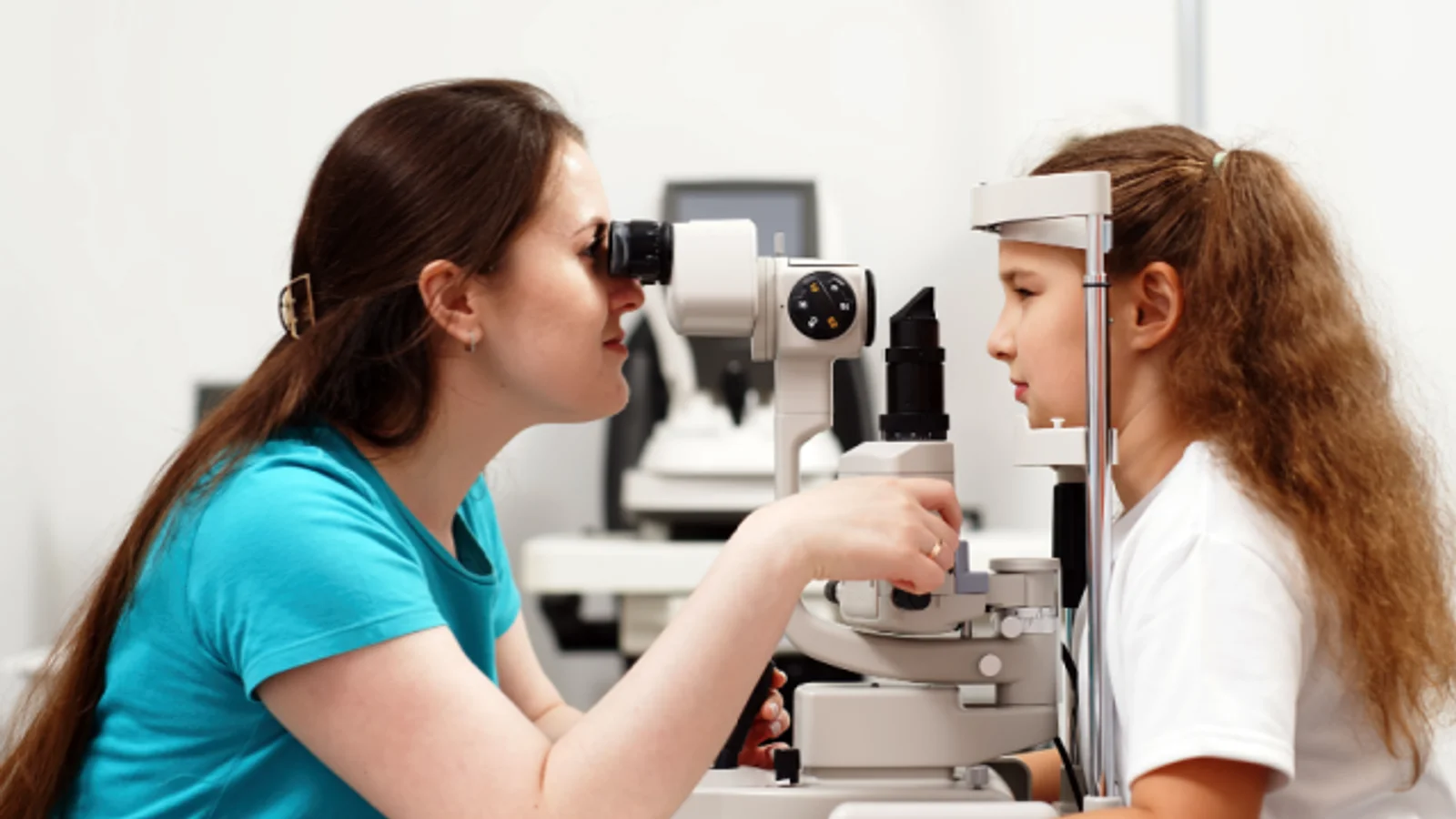
Global Ubal Eye Center specializes in the transition from diagnostic excellence to surgical precision. By utilizing High-Precision Diagnostic Protocols, the clinic ensures that every Pediatric Eye Examination is more than just a check-up; it is a developmental safeguard.
- Complex Strabismus: Using advanced mapping to perform squint surgeries with high success rates in both children and adults.
- Early Intervention: Screening for "sight-threatening" conditions like pediatric glaucoma and cataracts.
- Patient-Centricity: Protocols are designed to be "fun" and stress-free, recognizing that a calm child provides more accurate diagnostic data.
Conclusion
The prevalence of pediatric vision disorders in Korea is a growing challenge, but the shift from conventional "optical checks" to multidisciplinary Pediatric Eye Examinations offers a clear solution. By addressing the root causes of vision loss—such as muscle imbalance and amblyopia—advanced clinics like Global Ubal Eye Center are improving the long-term quality of life for the next generation.
More Articles
Continue reading our ophthalmology guides and vision care insights.

SMILE vs LASIK: Recovery Benchmarks for Vision Correction Care
South Korea has solidified its position as a global epicenter for ophthalmology, with the domestic LASIK and refractive surgery market projected to reach **USD 167.37 million by 2035**, growing at a steady CAGR of 8.54%.
Learn More

Prevalence of Myopia in Korea: The Value of Dream Lens Therapy
The prevalence of myopia among young people in South Korea has reached critical levels, often described as a "myopia epidemic." According to recent data from the **Korean National Health and Nutrition Examination Survey (KNHANES)**, the prevalence of myopia...
Learn More

Multidisciplinary Care: The Future of Korean Pediatric Eye Clinics
The landscape of pediatric eye care in South Korea is shifting rapidly. With nearly **21.9% of Korean children** estimated to be affected by various visual disorders according to nationwide health screenings, the demand for specialized intervention has never...
Learn More