Comprehensive Eye Care & Vision Correction in Incheon · Multilingual International Concierge
23+ Years Clinical Experience
en-US


Ophthalmology Guide
Multidisciplinary Care: The Future of Korean All-Laser LASIK / LASEK
In South Korea, the pursuit of visual perfection is backed by one of the most technologically dense medical markets in the world.
Schedule a ConsultationIn South Korea, the pursuit of visual perfection is backed by one of the most technologically dense medical markets in the world. Recent health data suggests that myopia (nearsightedness) affects over 80% of young adults in Korea, a staggering figure compared to global averages.
All-Laser LASIK in Korea: Benefits, Risks, and Ideal Candidates
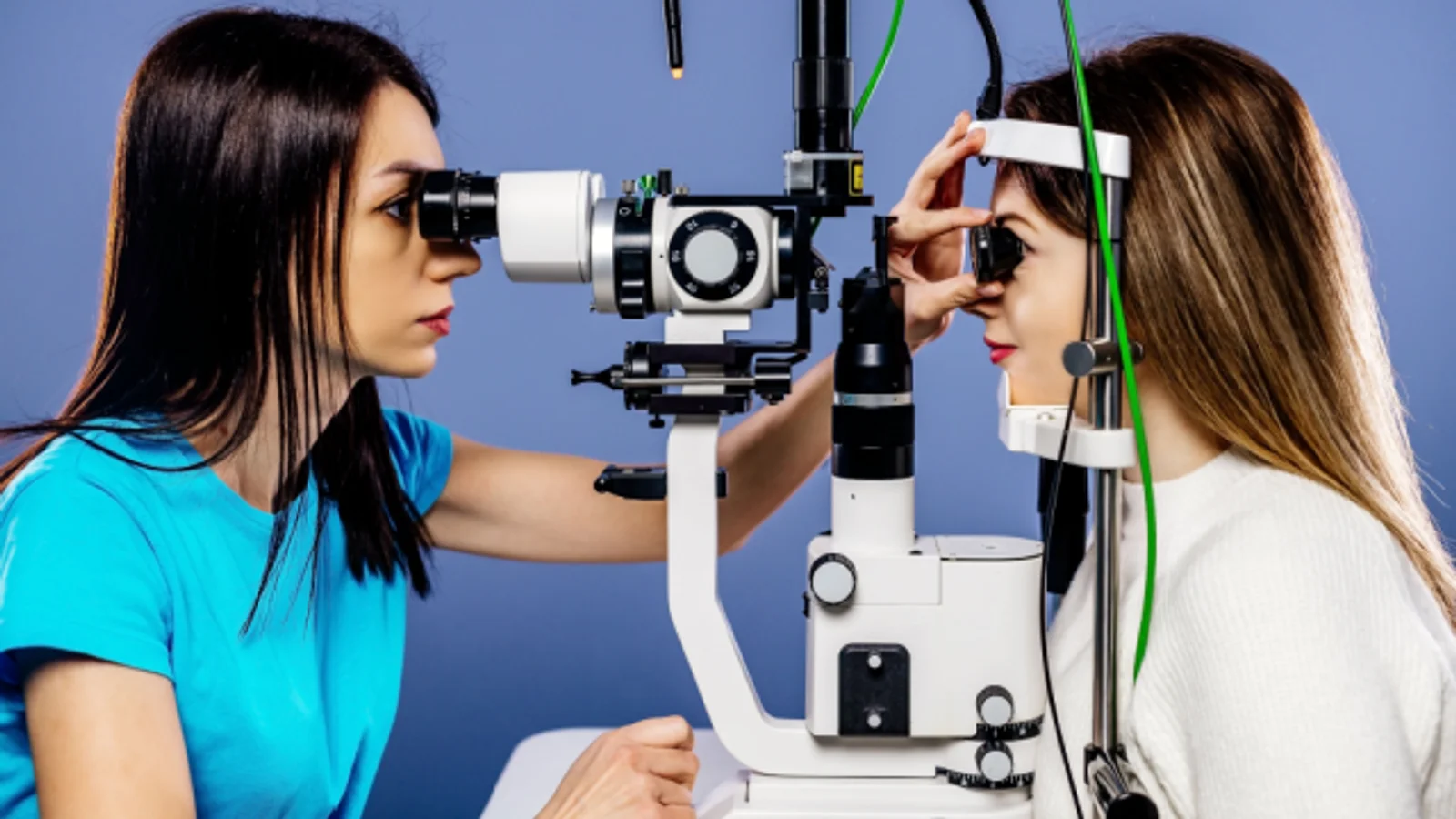
What is the "All-Laser" Difference?
Traditional LASIK relied on a mechanical blade (microkeratome) to create the corneal flap. In contrast, All-Laser LASIK utilizes a femtosecond laser for the flap and an excimer laser for reshaping the cornea. This "blade-free" environment significantly reduces the risk of irregular flaps and epithelial ingrowth.
Who is a Candidate for LASEK vs. LASIK?
- All-Laser LASIK: Ideal for patients seeking the fastest recovery (often 24 hours) and minimal discomfort.
- All-Laser LASEK: Often preferred for patients with thinner corneas, high myopia, or those involved in contact sports, as it avoids the creation of a permanent flap.
- The Multidisciplinary Factor: Modern candidates undergo "DNA screening" (Avellino test) to rule out corneal dystrophies, a standard safety protocol in top-tier Korean centers like Global Ubal Eye Center.
Current Standard Approaches & Limitations in Vision Correction
Despite the popularity of laser eye surgery, many patients remain tethered to traditional management or outdated surgical methods.
- Corrective Lenses: While safe, the lifetime cost of premium contacts and solutions can exceed $15,000–$20,000 over 30 years.
- Manual Blade LASIK: Lower upfront cost, but carries higher risks of "dry eye" syndrome and flap complications.
- Phakic IOL (Implantable Lenses): Effective for extreme myopia but involves intraocular surgery with higher invasive risks.
The Innovative Approach: AI-Guided All-Laser Refractive Surgery
The most significant advancement in Korean ophthalmology is the transition to AI-Guided All-Laser Planning. This protocol uses artificial intelligence to analyze thousands of data points from a patient’s corneal topography to create a unique "map" for the laser.
Data & Outcomes: Comparing the Traditional vs. Advanced Path
Research into Korean refractive outcomes indicates that "All-Laser" patients report significantly higher satisfaction scores regarding night driving and dry eye symptoms compared to traditional microkeratome users.
Comparative Benchmarks
| Feature | Traditional Blade LASIK | AI-Guided All-Laser LASIK/LASEK |
|---|---|---|
| Flap Precision | ±20-30 microns | ±5 microns |
| Recovery Time | 3–5 Days | 1–2 Days (LASIK) |
| Dry Eye Risk | Moderate to High | Low (Tissue-Sparing) |
| Night Vision Quality | Standard | High-Definition / Custom |
| Long-term Stability | 90-92% | 98%+ |
Local Korea Insights: Why Seoul is the Global Hub for Vision
Korean patients are known for being "tech-savvy" and demanding "fast-track" recovery. This has forced the local industry to evolve rapidly.
- Speed & Efficiency: The "One-Day" surgery culture in Korea allows for diagnostics and surgery to happen within 24 hours, supported by high-speed laser technology.
- Medical Tourism Trends: Because All-Laser procedures in Korea are often 30–50% more affordable than in the US or Japan—despite using identical or newer equipment—international patient volume continues to surge.
- Regulatory Rigor: The Korean Ministry of Food and Drug Safety (MFDS) maintains strict oversight on laser hardware, ensuring only the most stable, evidence-backed platforms are utilized in clinics.
Where Global Ubal Eye Center Fits in All-Laser LASIK in Korea
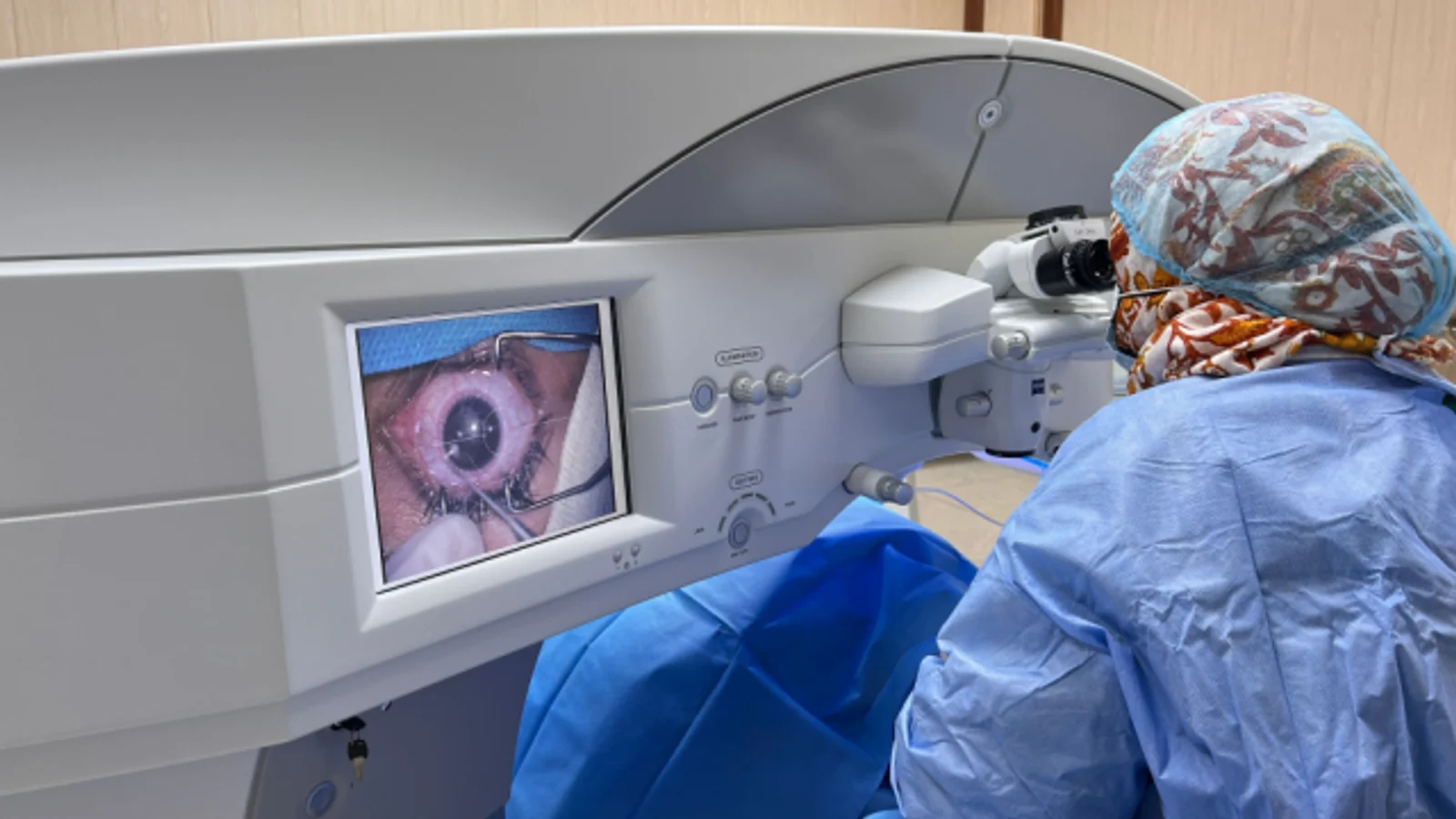
Global Ubal Eye Center distinguishes itself by moving beyond the surgery itself into a comprehensive, multidisciplinary care model. While many clinics focus solely on the 10-minute procedure, Global Ubal emphasizes:
- Customized Protocol Selection: Our specialists utilize advanced topography to decide whether All-Laser LASIK or LASEK is biologically safer for the specific patient.
- Expert Oversight: Led by surgeons with decades of collective experience and thousands of successful refractive cases, the center integrates surgical precision with long-term corneal health monitoring.
- Tech-Driven Diagnostics: Using the latest femtosecond and excimer platforms, the clinic ensures that every "All-Laser" procedure is truly blade-free and mapped to the patient's unique optical signature.
Conclusion
With myopia reaching epidemic levels in East Asia, the limitations of glasses and traditional surgery are more apparent than ever. The transition to AI-Guided All-Laser Refractive Surgery represents a shift toward a safer, more predictable, and patient-centric future.
More Articles
Continue reading our ophthalmology guides and vision care insights.

SMILE vs LASIK: Recovery Benchmarks for Vision Correction Care
South Korea has solidified its position as a global epicenter for ophthalmology, with the domestic LASIK and refractive surgery market projected to reach **USD 167.37 million by 2035**, growing at a steady CAGR of 8.54%.
Learn More

Prevalence of Myopia in Korea: The Value of Dream Lens Therapy
The prevalence of myopia among young people in South Korea has reached critical levels, often described as a "myopia epidemic." According to recent data from the **Korean National Health and Nutrition Examination Survey (KNHANES)**, the prevalence of myopia...
Learn More

Multidisciplinary Care: The Future of Korean Pediatric Eye Clinics
The landscape of pediatric eye care in South Korea is shifting rapidly. With nearly **21.9% of Korean children** estimated to be affected by various visual disorders according to nationwide health screenings, the demand for specialized intervention has never...
Learn More