Comprehensive Eye Care & Vision Correction in Incheon · Multilingual International Concierge
23+ Years Clinical Experience
en-US


Ophthalmology Guide
Most Effective Dry Eye Treatments in 2025: Learn Your Options
Discover the most effective dry eye treatments in 2025. Explore advanced options, relieve discomfort, and protect your vision—learn more today!
Schedule a ConsultationIntroduction: When Dry Eyes Become More Than Just a Nuisance

Imagine sitting in front of your computer late at night, trying to finish an important report. Your eyes start to sting. The screen blurs. You blink, rub, and reach for over-the-counter drops — but relief lasts only minutes. By morning, your eyes are red, sore, and heavy, as if you hadn’t slept at all.
Why Dry Eye Has Become So Common?
If you feel like everyone around you complains of dry eyes these days, you’re not imagining it. The modern lifestyle is practically designed to strain the eyes:
- Digital screen exposure: Phones, laptops, and tablets dominate daily life. But when we focus on screens, we blink less — sometimes only half as often as normal. This reduces the natural spread of tears, leading to dryness.
- Environmental challenges: In urban Korea, fine dust pollution, air conditioning, and heated indoor environments in winter all accelerate tear evaporation.
- Aging population: As we grow older, natural tear production declines. In South Korea, where the aging population is rapidly increasing, dry eye prevalence rises accordingly.
- Medical factors: Autoimmune diseases, thyroid conditions, contact lens use, and even certain medications like antihistamines or antidepressants can worsen dryness.
How Ophthalmology Approaches Dry Eye in 2025?
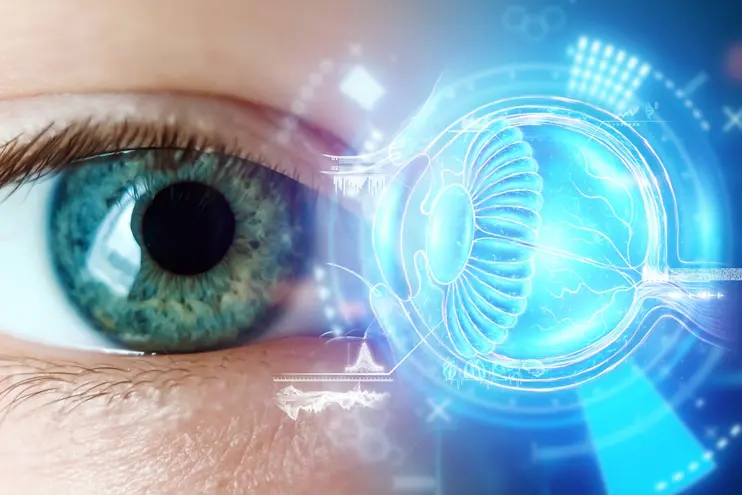
For decades, the default response to dry eye was simple: “Use artificial tears.” But in truth, dry eye is not a single disease. It’s a spectrum of conditions with different causes.
- Some patients have “aqueous-deficient” dry eye, meaning they don’t produce enough natural tears.
- Others have “evaporative” dry eye, where tears are produced but evaporate too quickly due to poor oil layer quality.
- And many experience a mixed form, with both production and quality issues.
The Most Effective Dry Eye Treatments in 2025
Advanced Prescription Eye Drops: More Than Just Lubrication
Artificial tears remain helpful for temporary relief, but they do not address the underlying cause. In 2025, prescription options have expanded significantly:
- Anti-inflammatory drops: Medications like cyclosporine (Restasis, Ikervis) and lifitegrast (Xiidra) are now available in refined formulations with faster onset and fewer side effects. They reduce surface inflammation, one of the root causes of chronic dry eye.
- Nanoparticle delivery systems: The newest generation of eye drops uses nano-carriers that penetrate the ocular surface more effectively, allowing medication to reach target tissues directly.
- Biologic eye drops: Serum-derived drops made from a patient’s own blood, or from donor umbilical cord plasma, are becoming a game-changer for severe cases. They contain natural growth factors that help repair damaged corneal tissue.
Thermal Pulsation Therapy: Treating the Eyelid Oil Glands
One of the most underdiagnosed causes of dry eye is meibomian gland dysfunction (MGD). These tiny glands in the eyelids are supposed to produce oils that prevent tears from evaporating. When they become blocked or atrophied, the tear film becomes unstable.
Intense Pulsed Light (IPL) Therapy
Originally used in dermatology, IPL therapy has found a strong place in ophthalmology. By applying gentle pulses of light to the skin around the eyes, IPL reduces abnormal blood vessels, inflammation, and bacteria that contribute to eyelid disease.
Amniotic Membrane and Regenerative Therapies
For patients with severe or advanced dry eye, especially when corneal damage is present, regenerative options are now widely available:
- Amniotic membrane therapy: A biologic material placed temporarily on the eye to promote healing. It provides anti-inflammatory and anti-scarring effects.
- Stem-cell and exosome-based drops (still emerging in Korea): These represent the frontier of ocular surface regeneration, aiming to repair tissue at a cellular level.
Lifestyle and Preventive Strategies
No matter how advanced the treatment, daily habits remain essential in managing dry eye:
- The 20-20-20 rule: Every 20 minutes of screen time, look 20 feet away for 20 seconds.
- Humidification: Use humidifiers during dry seasons to protect the ocular surface.
- Diet and hydration: Omega-3 fatty acids from fish, flaxseed, or supplements can improve tear quality.
- Protective eyewear: Wraparound glasses shield against wind, dust, and pollution.
What Patients Often Overlook?

Choosing the Right Clinic for Dry Eye Care
Conclusion: A Future Where Relief Is Possible
More Articles
Continue reading our ophthalmology guides and vision care insights.

SMILE vs LASIK: Recovery Benchmarks for Vision Correction Care
South Korea has solidified its position as a global epicenter for ophthalmology, with the domestic LASIK and refractive surgery market projected to reach **USD 167.37 million by 2035**, growing at a steady CAGR of 8.54%.
Learn More

Prevalence of Myopia in Korea: The Value of Dream Lens Therapy
The prevalence of myopia among young people in South Korea has reached critical levels, often described as a "myopia epidemic." According to recent data from the **Korean National Health and Nutrition Examination Survey (KNHANES)**, the prevalence of myopia...
Learn More

Multidisciplinary Care: The Future of Korean Pediatric Eye Clinics
The landscape of pediatric eye care in South Korea is shifting rapidly. With nearly **21.9% of Korean children** estimated to be affected by various visual disorders according to nationwide health screenings, the demand for specialized intervention has never...
Learn More