Comprehensive Eye Care & Vision Correction in Incheon · Multilingual International Concierge
23+ Years Clinical Experience
en-US


Ophthalmology Guide
Macular Degeneration Treatment & Prevention
Explore macular degeneration symptoms, treatment options, and prevention strategies at Global Ubal Eye Center in Incheon, Korea. Schedule a consultation today!
Schedule a ConsultationIntroduction
Macular degeneration is a leading cause of vision loss, particularly among those aged 50 and older. Affecting the central vision, it makes activities like reading, driving, and recognizing faces increasingly difficult. As this condition becomes more prevalent with the aging population, early intervention and personalized treatment plans are vital.
What is Macular Degeneration?
Macular degeneration refers to the progressive damage to the macula, the part of the retina responsible for sharp, central vision. This leads to blurred or distorted vision, making everyday activities challenging.
- Dry Macular Degeneration: The more common form, characterized by gradual deterioration of the macula. Vision loss occurs over several years, and although it is slow, it can be significant.
- Wet Macular Degeneration: Less common but more severe. It involves the growth of abnormal blood vessels under the retina that can leak fluid and cause rapid vision loss if left untreated.
Early Signs and Symptoms of Macular Degeneration
Macular degeneration often develops slowly, and its early signs may not be immediately obvious. However, recognizing these symptoms early is crucial for preserving vision. Common signs include:
- Blurred or Distorted Vision: Straight lines may appear wavy, and text may become difficult to read.
- Difficulty in Low Light: Tasks such as reading or navigating in dimly lit areas may become harder.
- Decreased Central Vision: One of the most telling signs, where patients begin to experience a gradual loss of sharp, central vision.
- Visual Distortions: Faces, printed text, or objects may appear skewed or distorted.
Risk Factors for Macular Degeneration
While age is the most significant risk factor for macular degeneration, other factors can increase the likelihood of developing the condition. These include:
- Genetics: A family history of macular degeneration may raise the risk.
- Lifestyle Factors: Smoking, high blood pressure, and a diet deficient in essential nutrients like antioxidants and omega-3 fatty acids contribute to the risk.
- Obesity and Sedentary Lifestyle: Maintaining a healthy weight and regular physical activity can help reduce risk factors.
Early Detection of Macular Degeneration
Early detection is essential for managing macular degeneration effectively. Global Ubal Eye Center uses the latest diagnostic tools to catch the condition in its early stages, offering patients the best chance for preserving their vision. Diagnostic tools include:
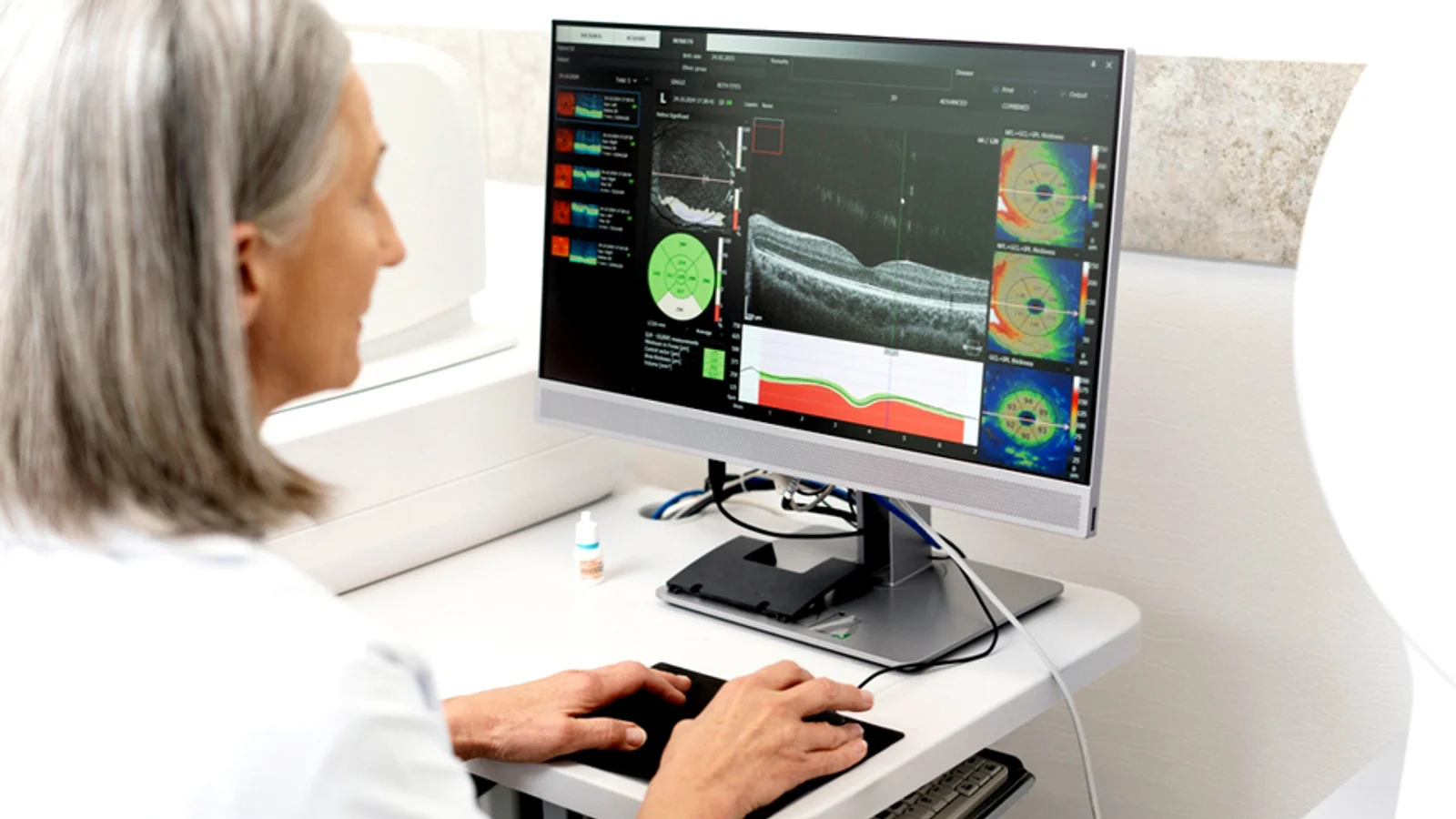
- Amsler Grid Test: This simple test allows patients to check for visual distortions.
- Optical Coherence Tomography (OCT): OCT provides high-resolution, detailed images of the retina, allowing for early detection of damage.
- Fluorescein Angiography: This test helps identify abnormal blood vessels in the retina, crucial for diagnosing wet macular degeneration.
Treatment Options at Global Ubal Eye Center
While macular degeneration cannot be cured, there are various treatments available to slow its progression and preserve vision. At Global Ubal Eye Center, we offer personalized treatment options tailored to each patient's needs.
For Dry Macular Degeneration:
- Dietary Supplements: We follow the AREDS2 formula, which includes vitamins C, E, lutein, and zeaxanthin, shown to help slow the progression of dry AMD. Our nutritionists provide individualized dietary counseling based on each patient’s needs.
- Lifestyle Modifications: Quitting smoking, maintaining a healthy diet, and staying physically active are key recommendations. We offer personalized support programs to help patients adopt these lifestyle changes.
- Emerging Therapies: Although stem cell treatments are still in the experimental phase, Global Ubal Eye Center stays ahead of the curve, incorporating the latest research into our treatment plans for patients who may benefit from cutting-edge therapies.
For Wet Macular Degeneration:
- Anti-VEGF Injections: At Global Ubal Eye Center, we offer Lucentis, Eylea, and Avastin, proven to block the growth of abnormal blood vessels and prevent leakage. These injections are administered regularly to help preserve vision.
- Laser Treatment: For certain patients, we use laser therapy to target and destroy abnormal blood vessels. Though this approach is less common today, it remains an effective option for specific cases.
- Photodynamic Therapy: For patients who may not respond well to anti-VEGF injections, photodynamic therapy provides an alternative, using light-activated drugs to target and destroy abnormal blood vessels.
Advances in Research and Innovation
Coping with Macular Degeneration: A Comprehensive Approach
Prevention Strategies: Tailored Advice at Global Ubal Eye Center

Conclusion
More Articles
Continue reading our ophthalmology guides and vision care insights.

SMILE vs LASIK: Recovery Benchmarks for Vision Correction Care
South Korea has solidified its position as a global epicenter for ophthalmology, with the domestic LASIK and refractive surgery market projected to reach **USD 167.37 million by 2035**, growing at a steady CAGR of 8.54%.
Learn More

Prevalence of Myopia in Korea: The Value of Dream Lens Therapy
The prevalence of myopia among young people in South Korea has reached critical levels, often described as a "myopia epidemic." According to recent data from the **Korean National Health and Nutrition Examination Survey (KNHANES)**, the prevalence of myopia...
Learn More

Multidisciplinary Care: The Future of Korean Pediatric Eye Clinics
The landscape of pediatric eye care in South Korea is shifting rapidly. With nearly **21.9% of Korean children** estimated to be affected by various visual disorders according to nationwide health screenings, the demand for specialized intervention has never...
Learn More