Comprehensive Eye Care & Vision Correction in Incheon · Multilingual International Concierge
23+ Years Clinical Experience
en-US


Ophthalmology Guide
Local Growth: Korea Leads in Presbyopia Correction and Cataract Surgery
As South Korea’s population ages, the demand for advanced vision restoration has shifted from simple cataract removal to sophisticated "refractive cataract surgery." According to recent market reports, the Korean presbyopia and myopia treatment market is...
Schedule a ConsultationAs South Korea’s population ages, the demand for advanced vision restoration has shifted from simple cataract removal to sophisticated "refractive cataract surgery." According to recent market reports, the Korean presbyopia and myopia treatment market is projected to reach approximately USD 885.9 million by 2030, growing at a robust compound annual growth rate (CAGR) of 11.6%.
Presbyopia Correction in Korea: Benefits, Risks, and Ideal Candidates
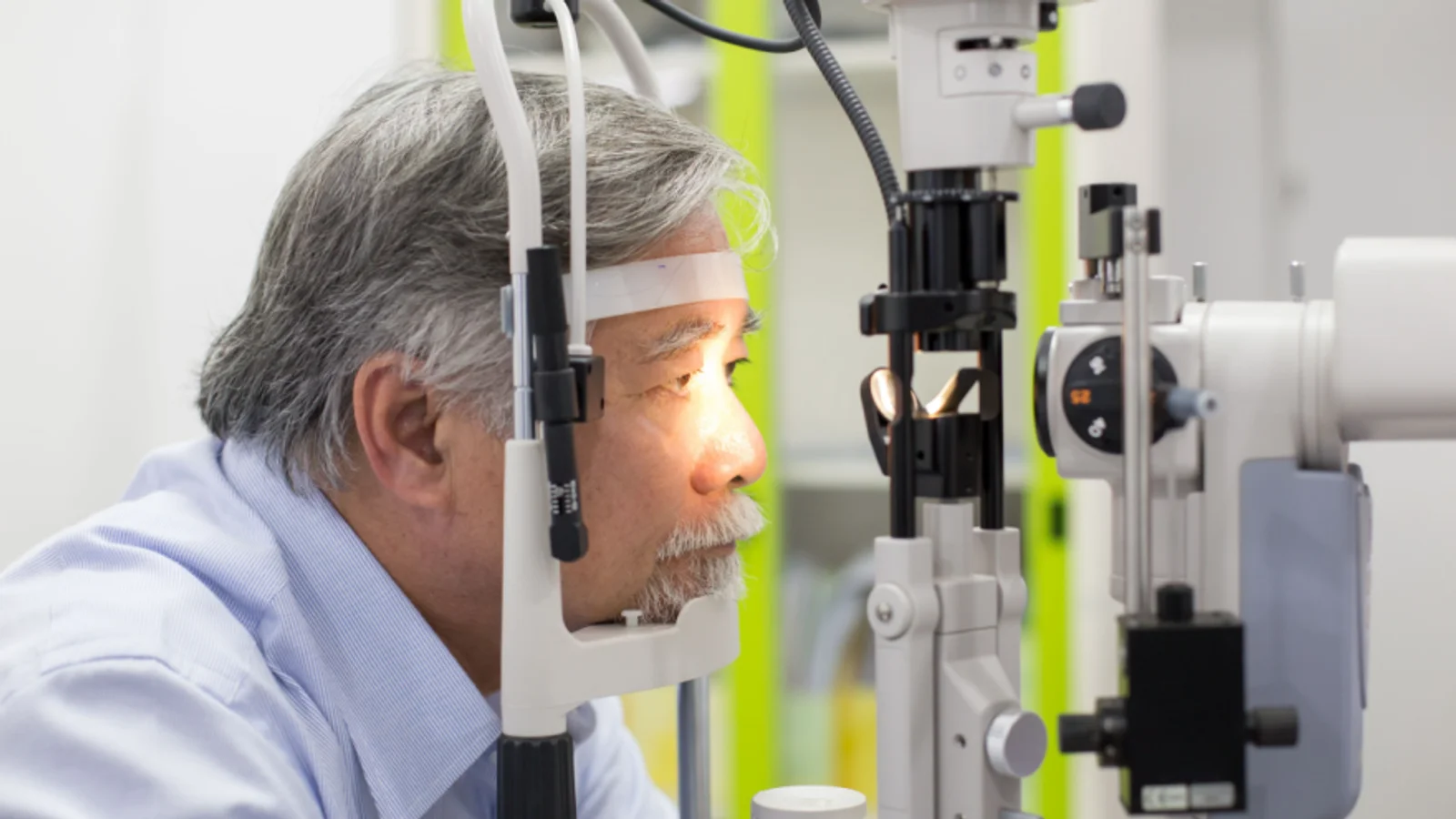
Presbyopia, the age-related loss of near-vision, typically begins around age 40. In the past, the only options were reading glasses or bifocals. Today, Korean ophthalmology leads in offering permanent surgical solutions.
- Active Seniors (50–70): Individuals developing cataracts who also wish to eliminate dependence on glasses for reading or driving.
- Middle-Aged Professionals (40–55): Those with early-onset presbyopia who are not yet cataract candidates but seek "Presby-LASIK" or corneal inlays.
- Safety Considerations: While highly successful, candidates must have healthy retinas and corneas. Modern diagnostics at specialized clinics now use AI-supported biometry to ensure the most accurate lens power calculation, reducing the risk of post-operative refractive errors.
Why is Multifocal IOL Technology the Preferred Choice in Korea?
The "standard" cataract surgery usually involves a monofocal lens, which corrects distance vision but still requires the patient to wear reading glasses. The innovative shift in Korea is toward Multifocal and Trifocal Intraocular Lenses (IOLs).
- How it Works: These lenses use advanced diffractive optics to split light into multiple focal points, allowing the eye to see clearly at near, intermediate, and far distances simultaneously.
- Minimally Invasive Precision: The procedure is typically performed through a micro-incision (often less than 2.8mm), requiring no stitches and offering rapid recovery.
- Tech-Driven Customization: Clinics like Global Ubal Eye Center utilize Femtosecond Laser-Assisted Cataract Surgery (FLACS), which automates the most critical steps of the surgery for micron-level accuracy that a manual blade cannot match.
Comparing Cataract Treatment Costs and Outcomes in Korea
Korea’s National Health Insurance Service (NHIS) covers standard cataract surgery, but the "Refractive Path" involving presbyopia correction is often a private investment. Despite this, Korea remains 30–50% more affordable than the US or Europe for equivalent high-tech care.
| Feature | Conventional Monofocal Path | Advanced Multifocal (Refractive) Path |
|---|---|---|
| Primary Goal | Clouded lens removal | Clear vision at all distances |
| Visual Outcome | Clear distance; requires reading glasses | High independence from glasses |
| Technology | Standard Phacoemulsification | Femtosecond Laser + Premium IOL |
| Korea Avg. Cost | ₩1.5M – ₩3.0M (~$1,100 - $2,300) | ₩3.5M – ₩8.0M (~$2,700 - $5,800) |
| Recovery Time | 1–2 weeks for full stabilization | 2–4 days for functional vision |
Local Korea Insights: The Shift Toward Tech-Driven Eye Care
Korean patients are known for being "tech-savvy" and demanding regarding medical outcomes. This has pushed local clinics to adopt Schwind Amaris laser technology and 3D digital visualization systems faster than many Western counterparts.
Where Global Ubal Eye Center Fits in Presbyopia Care
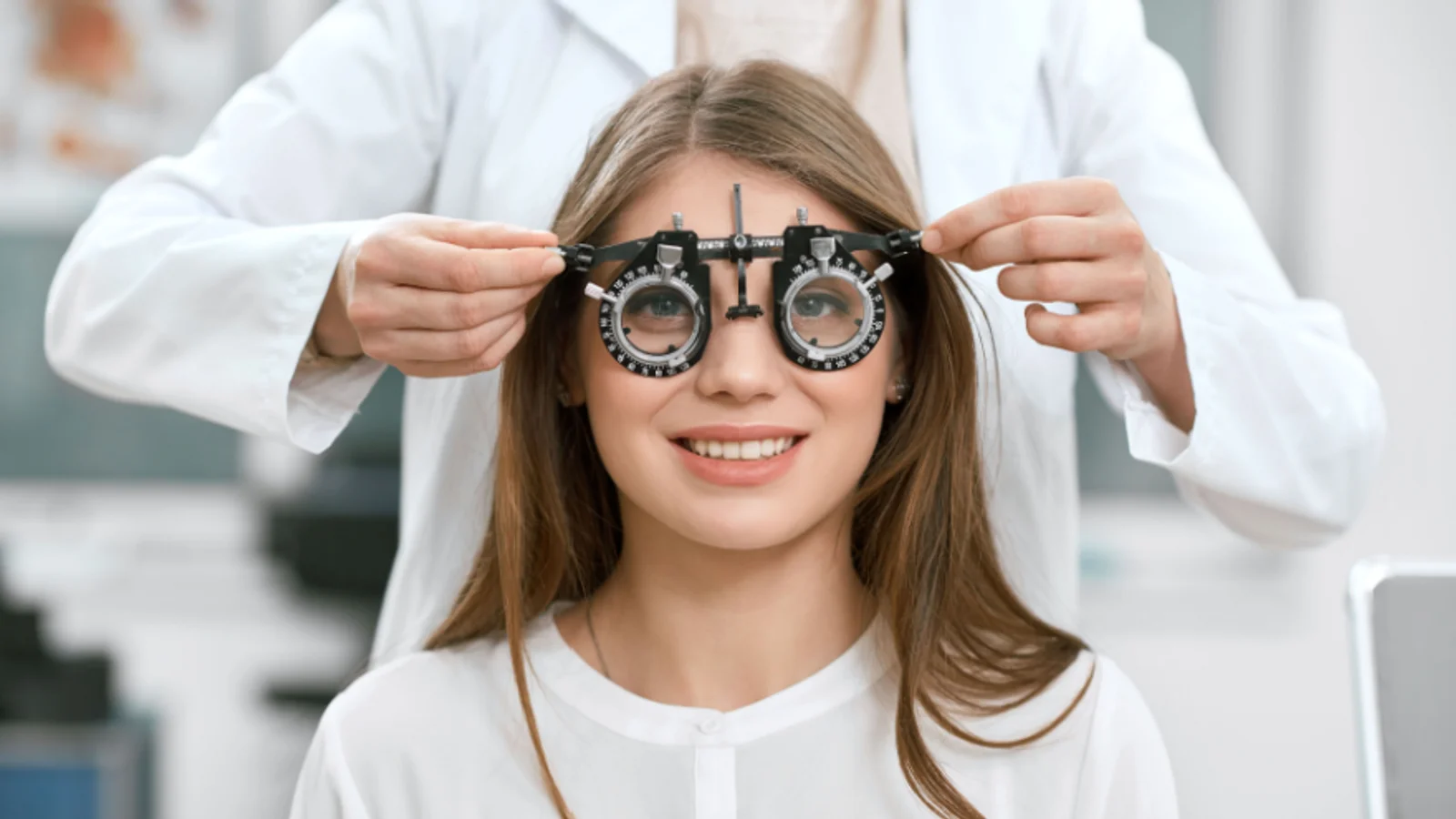
Located in Incheon/Seoul, Global Ubal Eye Center has been a pillar of Korean ophthalmology since 2003. With over 20 years of experience, the center specializes in transitioning patients from age-related vision decline to high-definition clarity.
- Specialized Medical Team: Led by directors like Dr. Shinyoung Hwang and Dr. Youngmin Kim, the clinic integrates decades of surgical expertise with a holistic understanding of eye health.
- Advanced Protocol: The clinic’s "Global Standard" workflow ensures that international and local patients receive a comprehensive 50-point diagnostic check before any lens is selected.
- Continuity of Care: Unlike high-volume "surgery factories," Global Ubal focuses on long-term follow-ups, ensuring that the neuro-adaptation process after multifocal IOL implantation is smooth and successful.
Conclusion
The prevalence of vision impairment in Korea is a growing concern, but the evolution of [Presbyopia Correction and Cataract Surgery](/services/Presbyopia Correction Cataract Surgery) offers a credible solution for those wishing to maintain an active lifestyle.
More Articles
Continue reading our ophthalmology guides and vision care insights.

SMILE vs LASIK: Recovery Benchmarks for Vision Correction Care
South Korea has solidified its position as a global epicenter for ophthalmology, with the domestic LASIK and refractive surgery market projected to reach **USD 167.37 million by 2035**, growing at a steady CAGR of 8.54%.
Learn More

Prevalence of Myopia in Korea: The Value of Dream Lens Therapy
The prevalence of myopia among young people in South Korea has reached critical levels, often described as a "myopia epidemic." According to recent data from the **Korean National Health and Nutrition Examination Survey (KNHANES)**, the prevalence of myopia...
Learn More

Multidisciplinary Care: The Future of Korean Pediatric Eye Clinics
The landscape of pediatric eye care in South Korea is shifting rapidly. With nearly **21.9% of Korean children** estimated to be affected by various visual disorders according to nationwide health screenings, the demand for specialized intervention has never...
Learn More